

GIVE THE PERFECT GIFT
Erin Mills Town Centre Gift Cards are the perfect choice for your gift giving needs.Purchase gift cards at kiosks near the food court or centre court, at Guest Services, or click below to purchase online.PURCHASE HEREHome
Effects of Career Plateauing on Turnover: A Test of a Model
Indigo
Loading Inventory...
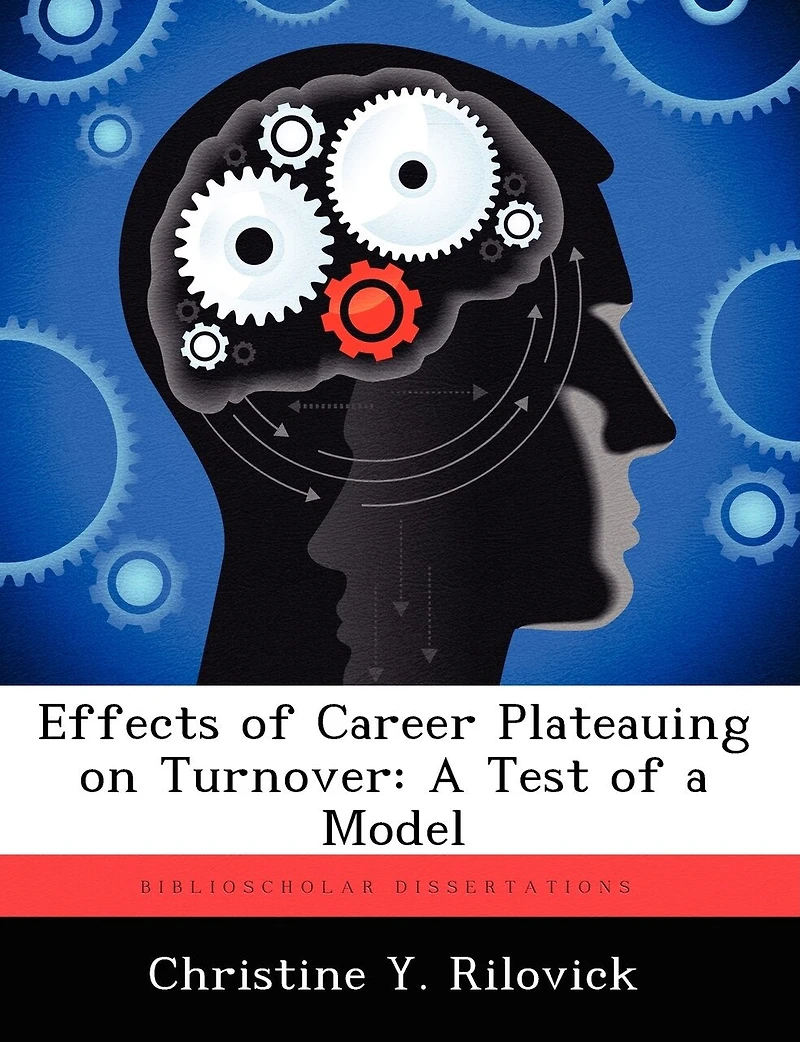
Effects of Career Plateauing on Turnover: A Test of a Model
Current price: $59.00

Effects of Career Plateauing on Turnover: A Test of a Model
Current price: $59.00
Loading Inventory...
Size: Paperback
*Product information may vary - to confirm product availability, pricing, shipping and return information please contact Indigo
The structure of most organizations dictates that only 1% of the employees will retire before they reach a career plateau. It is estimated that the number of people perceiving they are career plateaued will only increase in the future since more unusually well-qualified candidates will be competing for a diminishing number of positions. Given that an estimated 80% of the work conducted in organizations is performed by employees who are career plateaued, it would be beneficial to better understand if these plateaued individuals are likely to remain with the organization despite being plateaued. Therefore adding career plateauing to an existing turnover model could be beneficial in furthering our understanding of the turnover process. As such the primary purpose of this research was the introduction of the concept of career plateauing into an existing turnover model to investigate potential effects on turnover. Results from this study showed that perceptions of begin career plateaued did account for variance in turnover and the degree to which one believed himself to be plateaued was positively associated with one's intent to leave an organization.
The structure of most organizations dictates that only 1% of the employees will retire before they reach a career plateau. It is estimated that the number of people perceiving they are career plateaued will only increase in the future since more unusually well-qualified candidates will be competing for a diminishing number of positions. Given that an estimated 80% of the work conducted in organizations is performed by employees who are career plateaued, it would be beneficial to better understand if these plateaued individuals are likely to remain with the organization despite being plateaued. Therefore adding career plateauing to an existing turnover model could be beneficial in furthering our understanding of the turnover process. As such the primary purpose of this research was the introduction of the concept of career plateauing into an existing turnover model to investigate potential effects on turnover. Results from this study showed that perceptions of begin career plateaued did account for variance in turnover and the degree to which one believed himself to be plateaued was positively associated with one's intent to leave an organization.
You May Also Like















More About Indigo at Erin Mills Town Centre
The largest book retailer in Canada also offers toys, music, home décor, gifts and lifestyle products. What's Inside...Books, Magazines, CD’s and DVD’s, Toys and Gifts, Home Accents, Electronics, Baby’s and Children’s Section, Bath and Body, Kitchen and Bedroom, Stationary Located outside in the exterior plaza.
5015 Glen Erin Dr, Mississauga, ON L5M 0R7, Canada
Find Indigo at Erin Mills Town Centre in Mississauga ON
Visit Indigo at Erin Mills Town Centre in Mississauga ON