

GIVE THE PERFECT GIFT
Erin Mills Town Centre Gift Cards are the perfect choice for your gift giving needs.Purchase gift cards at kiosks near the food court or centre court, at Guest Services, or click below to purchase online.PURCHASE HEREHome
Elder Philostratus. Younger Philostratus. Callistratus
Indigo
Loading Inventory...
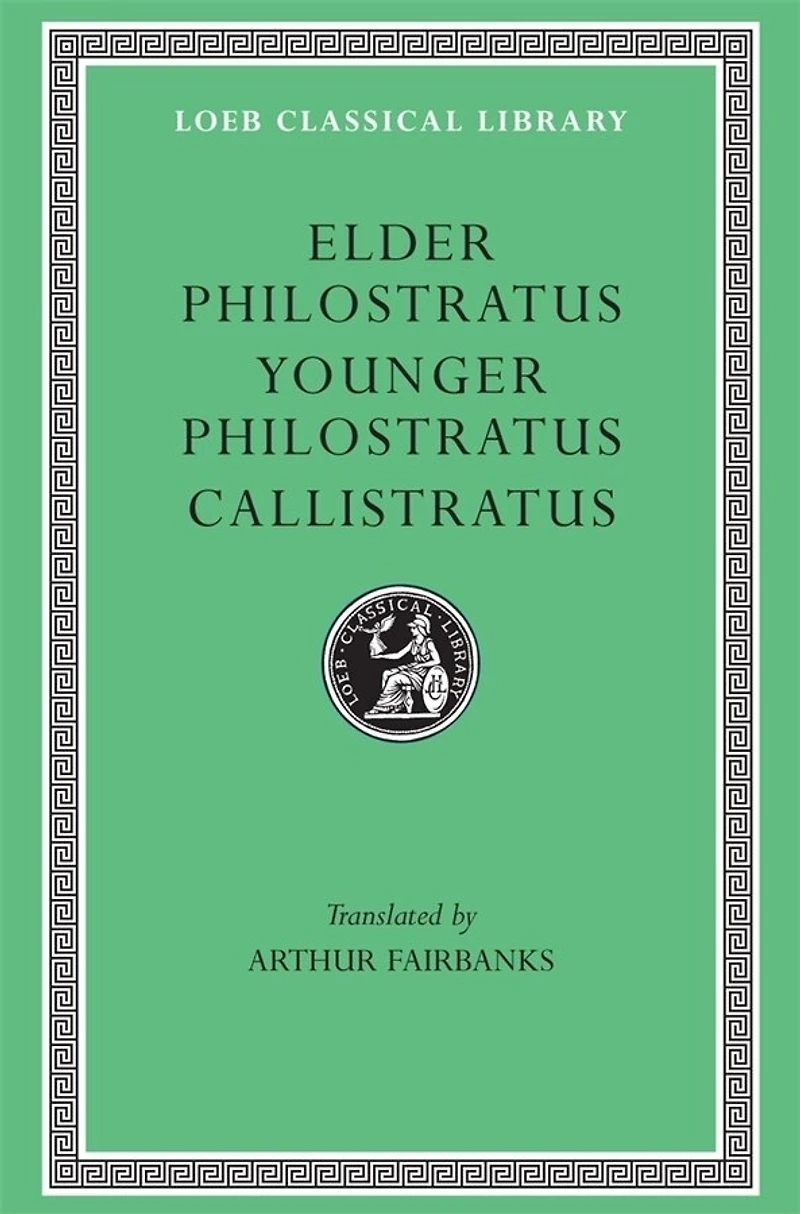
Elder Philostratus. Younger Philostratus. Callistratus
Current price: $39.00

Elder Philostratus. Younger Philostratus. Callistratus
Current price: $39.00
Loading Inventory...
Size: Hardcover
*Product information may vary - to confirm product availability, pricing, shipping and return information please contact Indigo
Artful descriptions.
This volume presents kindred works important for evidence relating to late Greek art. They are attributed to two men each known as Philostratus and to a third man called Callistratus, otherwise unknown. To an elder Philostratus, the Lemnian, born ca. AD 190, junior kinsman of the Philostratus who wrote the Life of Apollonius of Tyana and Lives of the Sophists , is attributed the series of sixty-five Eikones or Imagines , descriptions (in two books) ostensibly of paintings in a gallery at Naples. A younger Philostratus, apparently his grandson, is credited with seventeen similar descriptions. The fourteen Ekphraseis attributed to Callistratus are descriptions of statues in stone or bronze, written probably in the fourth century AD. It is not known to what extent the descriptions are of real works of art, but they show how artists treated their subjects, and are written with some artistic knowledge. Yet rhetorical skill dominates: these pieces were written to display the writers’ powers of description.
Artful descriptions.
This volume presents kindred works important for evidence relating to late Greek art. They are attributed to two men each known as Philostratus and to a third man called Callistratus, otherwise unknown. To an elder Philostratus, the Lemnian, born ca. AD 190, junior kinsman of the Philostratus who wrote the Life of Apollonius of Tyana and Lives of the Sophists , is attributed the series of sixty-five Eikones or Imagines , descriptions (in two books) ostensibly of paintings in a gallery at Naples. A younger Philostratus, apparently his grandson, is credited with seventeen similar descriptions. The fourteen Ekphraseis attributed to Callistratus are descriptions of statues in stone or bronze, written probably in the fourth century AD. It is not known to what extent the descriptions are of real works of art, but they show how artists treated their subjects, and are written with some artistic knowledge. Yet rhetorical skill dominates: these pieces were written to display the writers’ powers of description.
You May Also Like








More About Indigo at Erin Mills Town Centre
The largest book retailer in Canada also offers toys, music, home décor, gifts and lifestyle products. What's Inside...Books, Magazines, CD’s and DVD’s, Toys and Gifts, Home Accents, Electronics, Baby’s and Children’s Section, Bath and Body, Kitchen and Bedroom, Stationary Located outside in the exterior plaza.
5015 Glen Erin Dr, Mississauga, ON L5M 0R7, Canada
Find Indigo at Erin Mills Town Centre in Mississauga ON
Visit Indigo at Erin Mills Town Centre in Mississauga ON