

GIVE THE PERFECT GIFT
Erin Mills Town Centre Gift Cards are the perfect choice for your gift giving needs.Purchase gift cards at kiosks near the food court or centre court, at Guest Services, or click below to purchase online.PURCHASE HEREHome
Electricity Africa: The Politics of Transformation Uganda
Indigo
Loading Inventory...
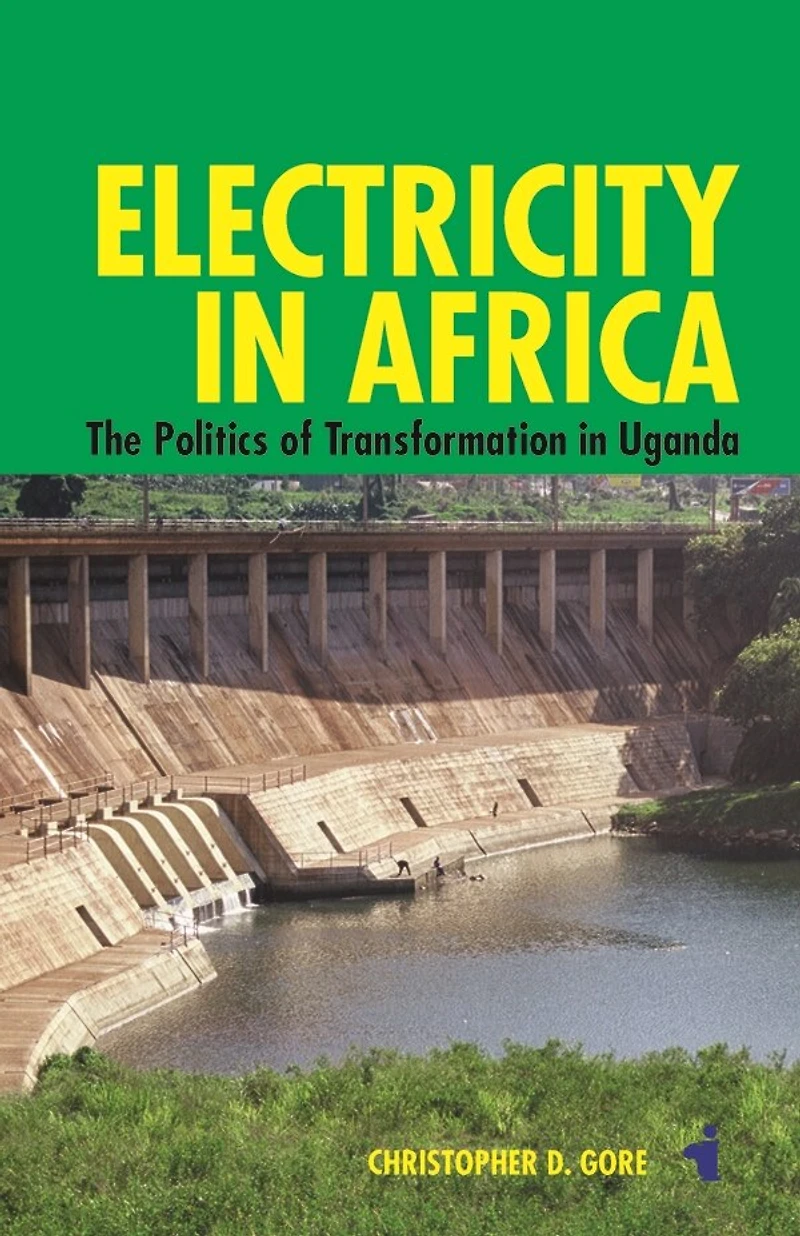
Electricity Africa: The Politics of Transformation Uganda
Current price: $157.20

Electricity Africa: The Politics of Transformation Uganda
Current price: $157.20
Loading Inventory...
Size: Hardcover
*Product information may vary - to confirm product availability, pricing, shipping and return information please contact Indigo
Examines the history of electricity provision in Africa and the effects of privatization and infrastructure changes in energy transformation, offering a critical window into development politics in African states.
No country has managed to develop beyond a subsistence economy without ensuring at least minimum access to electricity for the majority of its population. Yet many sub-Saharan African countries struggle to meet demand. Why is this, and what can be done to reduce energy poverty and further Africa's development? Examining the politics and processes surrounding electricity infrastructure, provision and reform, the author provides an overview of historical andcontemporary debates about access in the sub-continent, and explores the shifting role and influence of national governments and of multilateral agencies in energy reform decisions. He describes a challenging political environment for electricity supply, with African governments becoming increasingly frustrated with the rules and the processes of multilateral donors. Civil society also began to question reform choices, and governments in turn looked to new development partners, such as China, to chart a fresh path of energy transformation.
Drawing on over fifteen years of research on Uganda, which has one of the lowest levels of access to electricity in Africa and has struggled to construct several, large hydroelectric dams on the Nile, Gore argues that there is a critical need to recognize how the changing political and social context in African countries, and globally, has affected the capacity tofulfil national energy goals, minimize energy poverty and transform economies.
Christopher Gore is Associate Professor, Department of Politics and Public Administration, Ryerson University, Toronto, Canada.
OA EDITION
This book has been made available as Open Access through the support of the Office of the Dean, Faculty of Arts, Ryerson University; Ryerson International; and the Department of Politics and Public Administration, Ryerson University.
Examines the history of electricity provision in Africa and the effects of privatization and infrastructure changes in energy transformation, offering a critical window into development politics in African states.
No country has managed to develop beyond a subsistence economy without ensuring at least minimum access to electricity for the majority of its population. Yet many sub-Saharan African countries struggle to meet demand. Why is this, and what can be done to reduce energy poverty and further Africa's development? Examining the politics and processes surrounding electricity infrastructure, provision and reform, the author provides an overview of historical andcontemporary debates about access in the sub-continent, and explores the shifting role and influence of national governments and of multilateral agencies in energy reform decisions. He describes a challenging political environment for electricity supply, with African governments becoming increasingly frustrated with the rules and the processes of multilateral donors. Civil society also began to question reform choices, and governments in turn looked to new development partners, such as China, to chart a fresh path of energy transformation.
Drawing on over fifteen years of research on Uganda, which has one of the lowest levels of access to electricity in Africa and has struggled to construct several, large hydroelectric dams on the Nile, Gore argues that there is a critical need to recognize how the changing political and social context in African countries, and globally, has affected the capacity tofulfil national energy goals, minimize energy poverty and transform economies.
Christopher Gore is Associate Professor, Department of Politics and Public Administration, Ryerson University, Toronto, Canada.
OA EDITION
This book has been made available as Open Access through the support of the Office of the Dean, Faculty of Arts, Ryerson University; Ryerson International; and the Department of Politics and Public Administration, Ryerson University.
You May Also Like







More About Indigo at Erin Mills Town Centre
The largest book retailer in Canada also offers toys, music, home décor, gifts and lifestyle products. What's Inside...Books, Magazines, CD’s and DVD’s, Toys and Gifts, Home Accents, Electronics, Baby’s and Children’s Section, Bath and Body, Kitchen and Bedroom, Stationary Located outside in the exterior plaza.
5015 Glen Erin Dr, Mississauga, ON L5M 0R7, Canada
Find Indigo at Erin Mills Town Centre in Mississauga ON
Visit Indigo at Erin Mills Town Centre in Mississauga ON