

GIVE THE PERFECT GIFT
Erin Mills Town Centre Gift Cards are the perfect choice for your gift giving needs.Purchase gift cards at kiosks near the food court or centre court, at Guest Services, or click below to purchase online.PURCHASE HEREHome
Electrolysis Processes
Indigo
Loading Inventory...
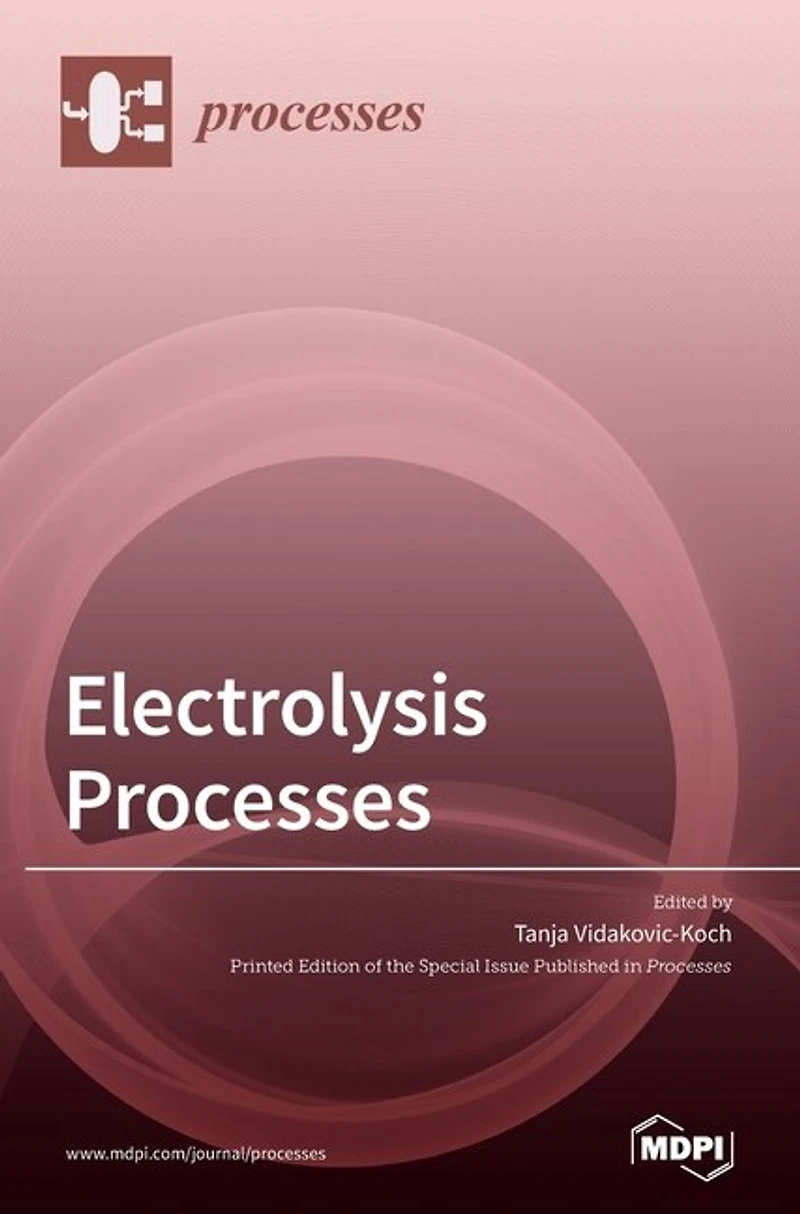
Electrolysis Processes
Current price: $72.40

Electrolysis Processes
Current price: $72.40
Loading Inventory...
Size: Hardcover
*Product information may vary - to confirm product availability, pricing, shipping and return information please contact Indigo
Renewable energies such as solar, hydro or wind power are abundant in principle but subject to strong fluctuations. Therefore, development of new technologies for storage of these renewable energies is of special interest. Electrochemical technologies are ideal candidates for the use of excess current; consequently, an increased electrification of chemical processes is expected. In this respect, there are different pathways to utilize excess current electrochemically. Perhaps the most accepted and discussed solutions involve intermediate energy storage in either chemical energy carriers (such as hydrogen via water electrolysis) or electrochemical energy storage devices (like batteries). Additionally, excess current can put to other uses, such for solutions to environmental issues or for construction purposes, rather than being stored for later use.
Renewable energies such as solar, hydro or wind power are abundant in principle but subject to strong fluctuations. Therefore, development of new technologies for storage of these renewable energies is of special interest. Electrochemical technologies are ideal candidates for the use of excess current; consequently, an increased electrification of chemical processes is expected. In this respect, there are different pathways to utilize excess current electrochemically. Perhaps the most accepted and discussed solutions involve intermediate energy storage in either chemical energy carriers (such as hydrogen via water electrolysis) or electrochemical energy storage devices (like batteries). Additionally, excess current can put to other uses, such for solutions to environmental issues or for construction purposes, rather than being stored for later use.
You May Also Like








More About Indigo at Erin Mills Town Centre
The largest book retailer in Canada also offers toys, music, home décor, gifts and lifestyle products. What's Inside...Books, Magazines, CD’s and DVD’s, Toys and Gifts, Home Accents, Electronics, Baby’s and Children’s Section, Bath and Body, Kitchen and Bedroom, Stationary Located outside in the exterior plaza.
5015 Glen Erin Dr, Mississauga, ON L5M 0R7, Canada
Find Indigo at Erin Mills Town Centre in Mississauga ON
Visit Indigo at Erin Mills Town Centre in Mississauga ON