

GIVE THE PERFECT GIFT
Erin Mills Town Centre Gift Cards are the perfect choice for your gift giving needs.Purchase gift cards at kiosks near the food court or centre court, at Guest Services, or click below to purchase online.PURCHASE HEREHome
Electronic Structure And Magnetism Of 3d-transition Metal Pnictides
Indigo
Loading Inventory...
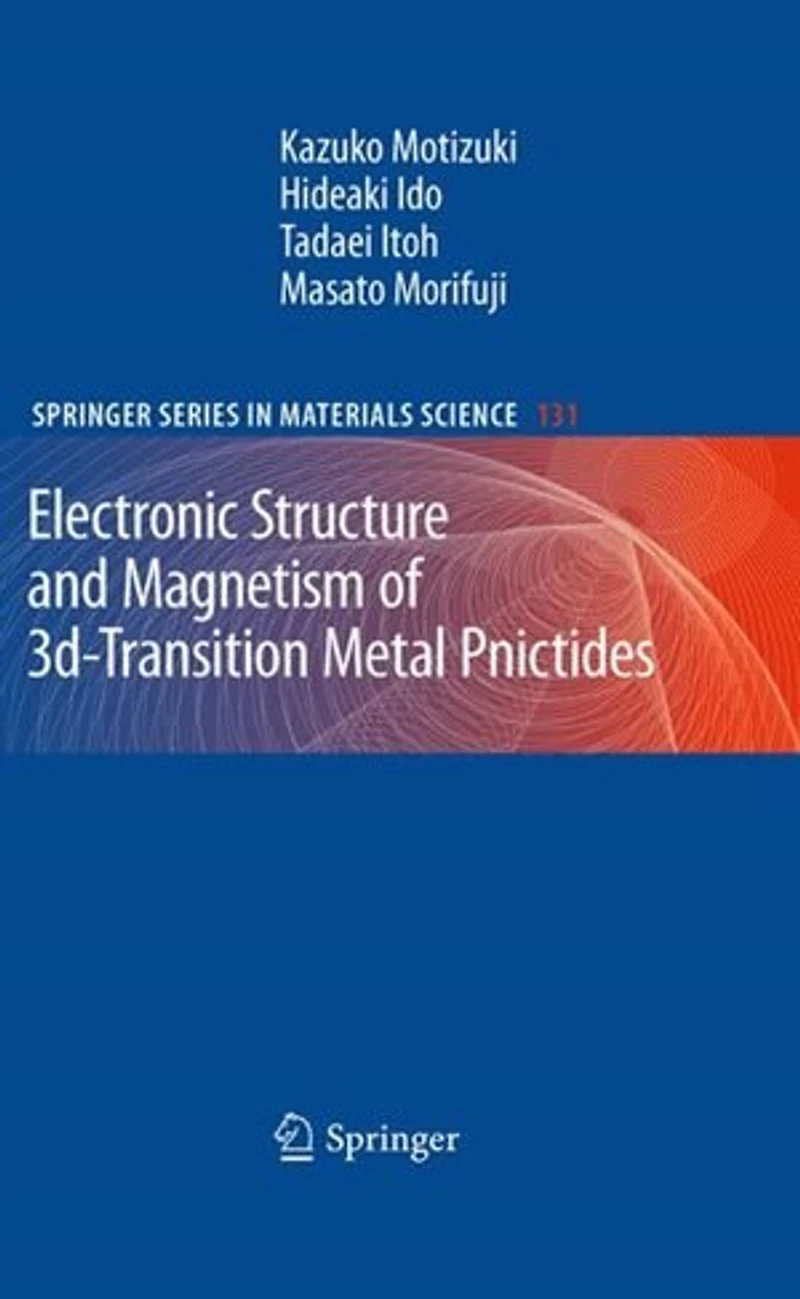
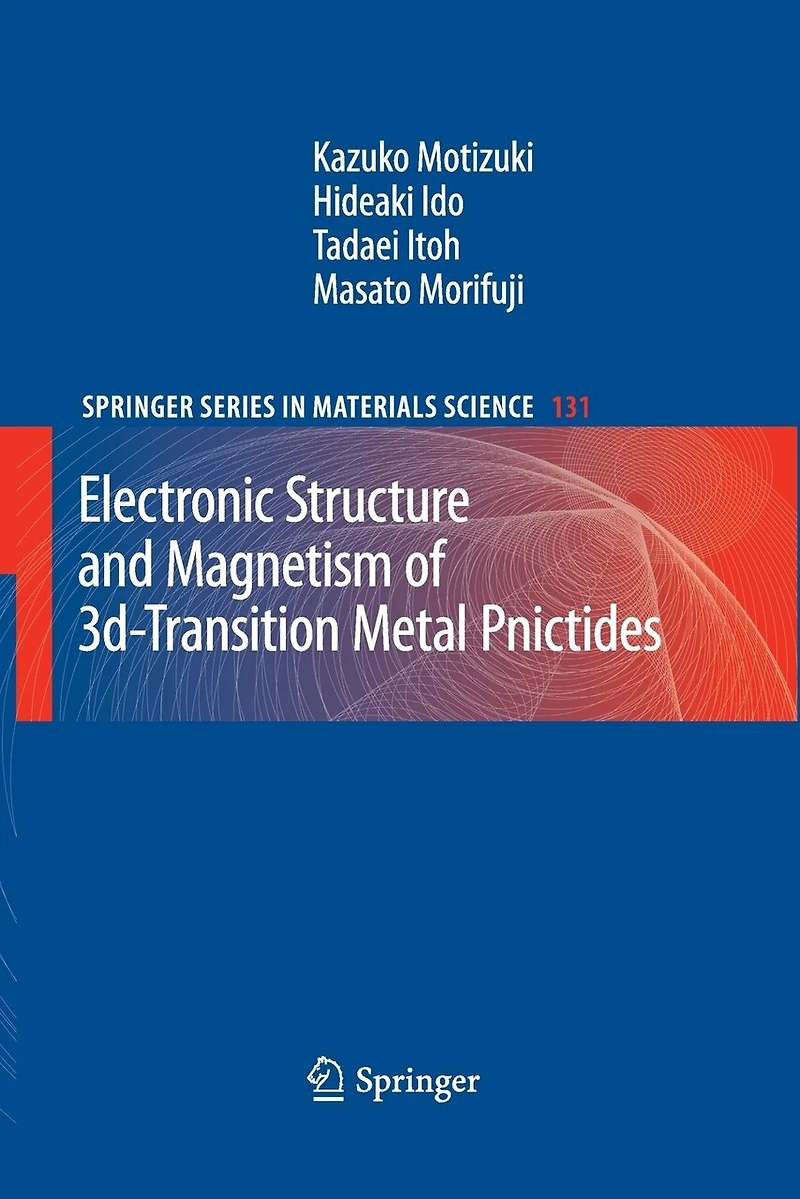
Electronic Structure And Magnetism Of 3d-transition Metal Pnictides
Current price: $160.95

Electronic Structure And Magnetism Of 3d-transition Metal Pnictides
Current price: $160.95
Loading Inventory...
Size: Hardcover
*Product information may vary - to confirm product availability, pricing, shipping and return information please contact Indigo
This book describes in 2 parts experimental data with simple explanations (Part I) and itinerant electron theories (Part II) about magnetism and its related properties of 3d-intermetallic compounds. Unlike 3d-metal alloys and oxides, theoretical as well as experimental studies on 3d-intermetallic compounds such as 3d-pnictides and chalcogenides, on which we focus in this book, seem unfortunately delayed. The objective of this book is to motivate active studies in this ?eld in the future. We discuss in detail magnetic and related properties of the 3d-transition-metal pnictides and chalcogenides, which include the intermetallic compounds expressed as MX and M X, and their mixed compoundsM M X, MX X and M M X, 2 1?x x 1?y 2?x y x where M (M)isa3d element and X (X ) a pnicogen (P, As, Sb, and Bi) or a chalcogen (S, Se, and Te). Most of the MX-type compounds crystallize either in the hexagonalNiAs-type structure or in the orthorhombicMnP-type structure which is regarded as a distorted NiAs-type structure. Crystallographic phase transition b- ween the NiAs- and the MnP-typesoccursin some of MX-typecompoundswhen the temperaturechanges. The M X-type compoundscrystallize in the tetragonalCu Sb- 2 2 typestructure.Asdescribedin detailinthisbook,manyofthecompoundsmentioned aboveexhibitveryinterestingmagneticandcrystallographicphasetransitionscaused by various means such as change of temperature, applications of external magnetic ?eld or pressure, and change of the composition x in the case of mixed compounds.
This book describes in 2 parts experimental data with simple explanations (Part I) and itinerant electron theories (Part II) about magnetism and its related properties of 3d-intermetallic compounds. Unlike 3d-metal alloys and oxides, theoretical as well as experimental studies on 3d-intermetallic compounds such as 3d-pnictides and chalcogenides, on which we focus in this book, seem unfortunately delayed. The objective of this book is to motivate active studies in this ?eld in the future. We discuss in detail magnetic and related properties of the 3d-transition-metal pnictides and chalcogenides, which include the intermetallic compounds expressed as MX and M X, and their mixed compoundsM M X, MX X and M M X, 2 1?x x 1?y 2?x y x where M (M)isa3d element and X (X ) a pnicogen (P, As, Sb, and Bi) or a chalcogen (S, Se, and Te). Most of the MX-type compounds crystallize either in the hexagonalNiAs-type structure or in the orthorhombicMnP-type structure which is regarded as a distorted NiAs-type structure. Crystallographic phase transition b- ween the NiAs- and the MnP-typesoccursin some of MX-typecompoundswhen the temperaturechanges. The M X-type compoundscrystallize in the tetragonalCu Sb- 2 2 typestructure.Asdescribedin detailinthisbook,manyofthecompoundsmentioned aboveexhibitveryinterestingmagneticandcrystallographicphasetransitionscaused by various means such as change of temperature, applications of external magnetic ?eld or pressure, and change of the composition x in the case of mixed compounds.
You May Also Like








More About Indigo at Erin Mills Town Centre
The largest book retailer in Canada also offers toys, music, home décor, gifts and lifestyle products. What's Inside...Books, Magazines, CD’s and DVD’s, Toys and Gifts, Home Accents, Electronics, Baby’s and Children’s Section, Bath and Body, Kitchen and Bedroom, Stationary Located outside in the exterior plaza.
5015 Glen Erin Dr, Mississauga, ON L5M 0R7, Canada
Find Indigo at Erin Mills Town Centre in Mississauga ON
Visit Indigo at Erin Mills Town Centre in Mississauga ON