

GIVE THE PERFECT GIFT
Erin Mills Town Centre Gift Cards are the perfect choice for your gift giving needs.Purchase gift cards at kiosks near the food court or centre court, at Guest Services, or click below to purchase online.PURCHASE HEREHome
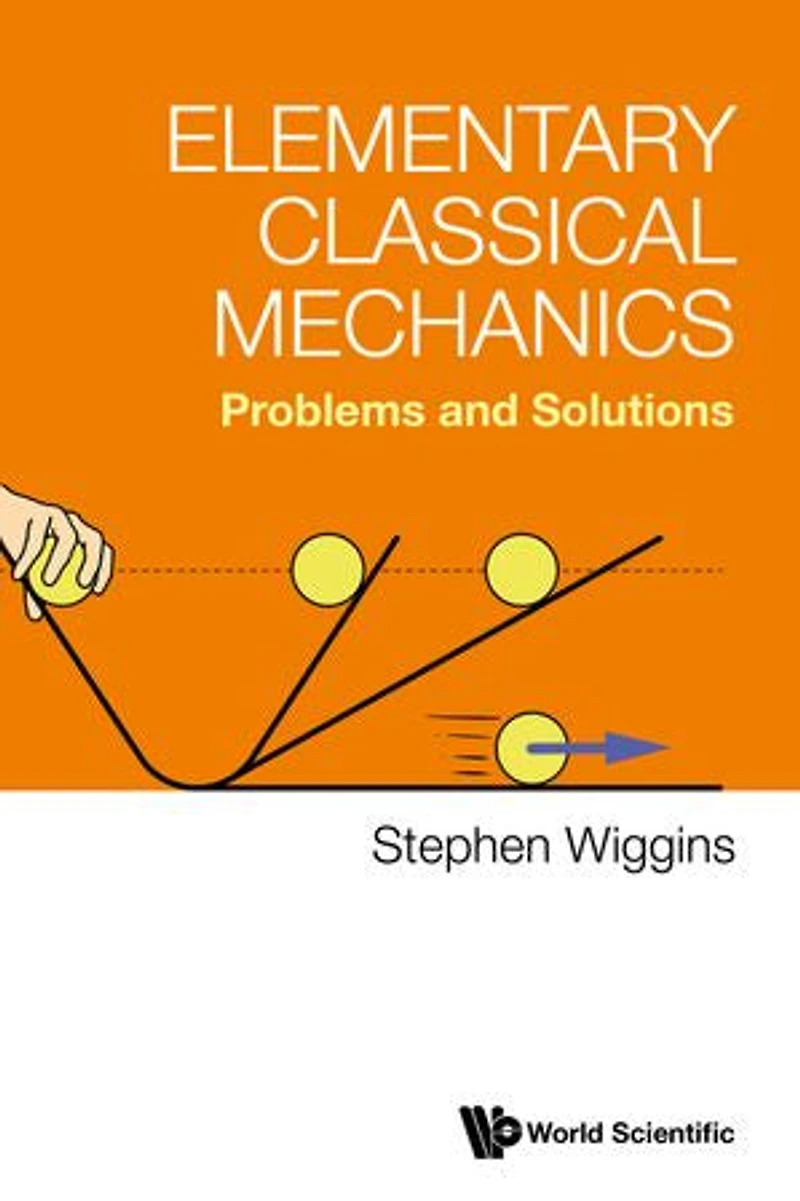
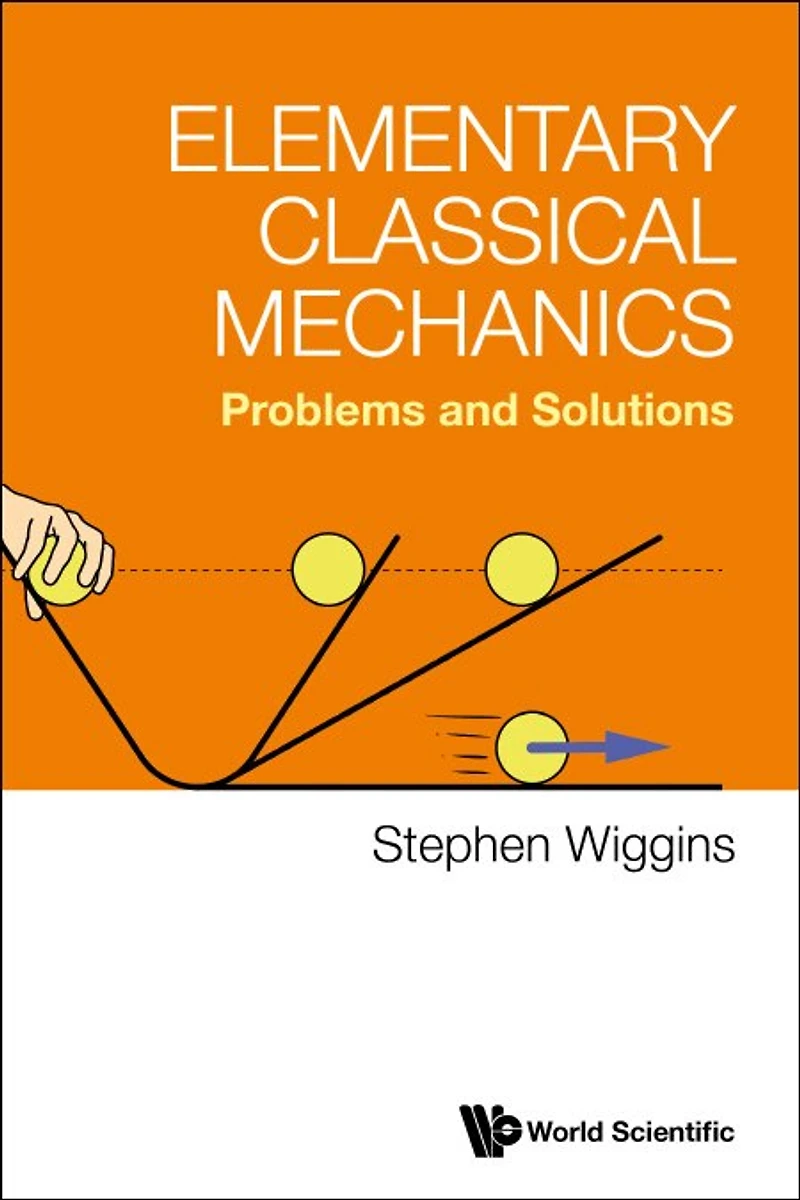
Elementary Classical Mechanics: Problems And Solutions
Indigo
Loading Inventory...
Elementary Classical Mechanics: Problems And Solutions
Current price: $10.89
Original price: $13.57

Elementary Classical Mechanics: Problems And Solutions
Current price: $10.89
Original price: $13.57
Loading Inventory...
Size: Kobo eBook
*Product information may vary - to confirm product availability, pricing, shipping and return information please contact Indigo
This Problems and Solutions book addresses the numerous problems in the textbook that develops elementary classical mechanics in a setting that is appropriate for beginning university mathematics students without requiring a background in physics. It is an ideal first look at the subject for those who will go on to study more advanced aspects of the subject, such as Lagrangian, Hamiltonian, and quantum mechanics. These more advanced developments of mechanics are at the forefront of research in modern mathematics. Certainly, topics such as symplectic geometry, Lagrangian intersection theory, spectral theory, pseudodifferential operators, etc. do not require a background in classical mechanics, but studies in these areas are greatly enriched by a knowledge of their roots and how some of their motivational issues arose.
This Problems and Solutions book addresses the numerous problems in the textbook that develops elementary classical mechanics in a setting that is appropriate for beginning university mathematics students without requiring a background in physics. It is an ideal first look at the subject for those who will go on to study more advanced aspects of the subject, such as Lagrangian, Hamiltonian, and quantum mechanics. These more advanced developments of mechanics are at the forefront of research in modern mathematics. Certainly, topics such as symplectic geometry, Lagrangian intersection theory, spectral theory, pseudodifferential operators, etc. do not require a background in classical mechanics, but studies in these areas are greatly enriched by a knowledge of their roots and how some of their motivational issues arose.
You May Also Like








More About Indigo at Erin Mills Town Centre
The largest book retailer in Canada also offers toys, music, home décor, gifts and lifestyle products. What's Inside...Books, Magazines, CD’s and DVD’s, Toys and Gifts, Home Accents, Electronics, Baby’s and Children’s Section, Bath and Body, Kitchen and Bedroom, Stationary Located outside in the exterior plaza.
5015 Glen Erin Dr, Mississauga, ON L5M 0R7, Canada
Find Indigo at Erin Mills Town Centre in Mississauga ON
Visit Indigo at Erin Mills Town Centre in Mississauga ON