

GIVE THE PERFECT GIFT
Erin Mills Town Centre Gift Cards are the perfect choice for your gift giving needs.Purchase gift cards at kiosks near the food court or centre court, at Guest Services, or click below to purchase online.PURCHASE HEREHome
Elements Of Rock Physics And Their Application To Inversion Avo Studies
Indigo
Loading Inventory...
Elements Of Rock Physics And Their Application To Inversion Avo Studies
Current price: $296.50

Elements Of Rock Physics And Their Application To Inversion Avo Studies
Current price: $296.50
Loading Inventory...
Size: Hardcover
*Product information may vary - to confirm product availability, pricing, shipping and return information please contact Indigo
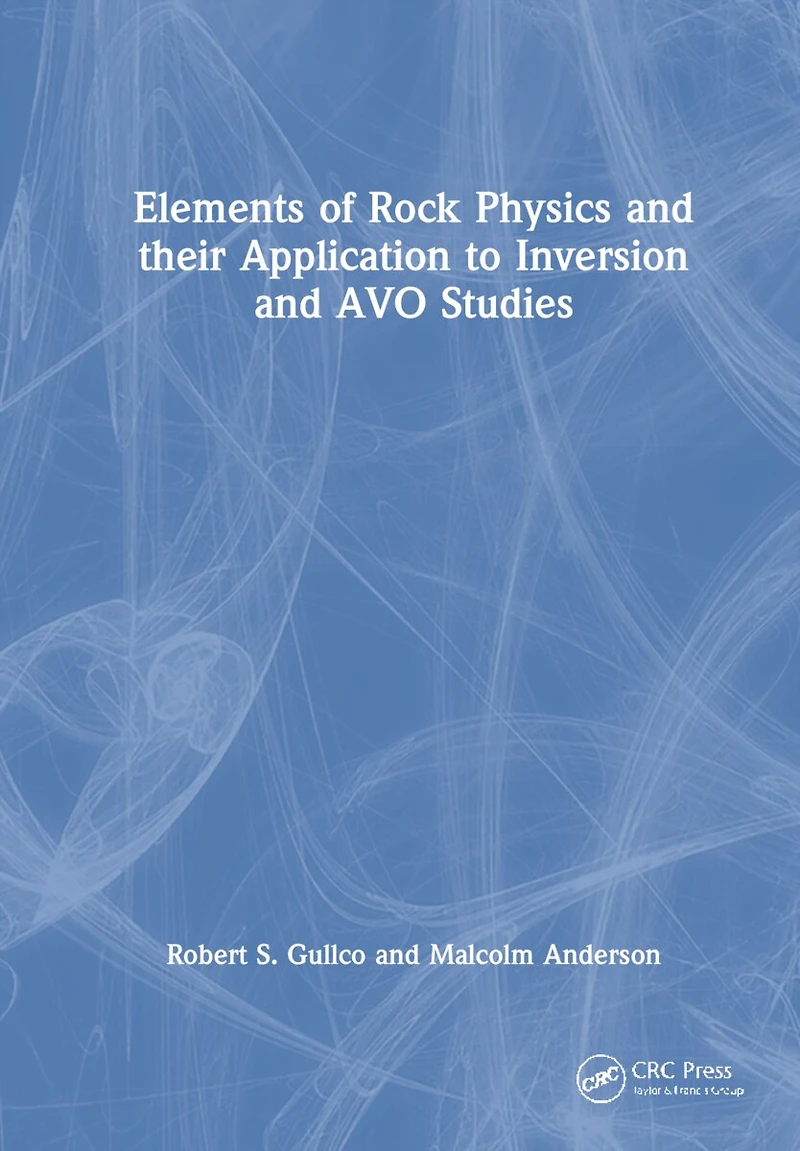
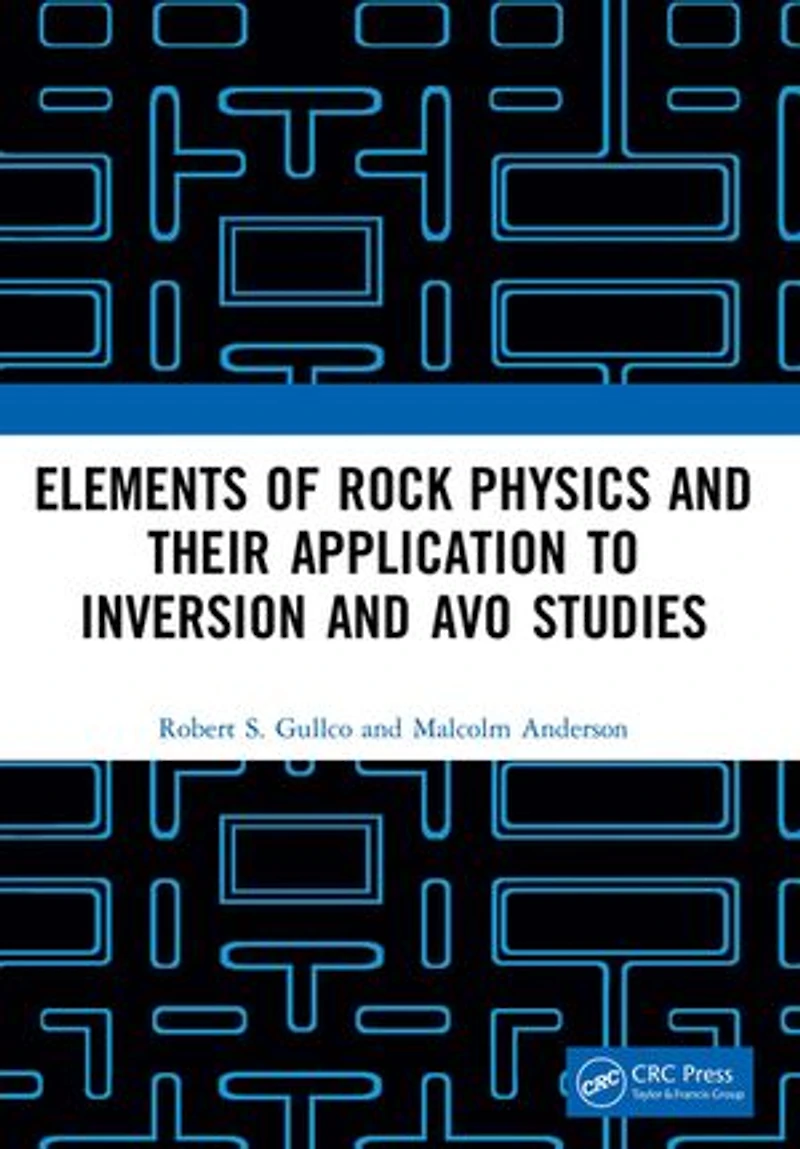
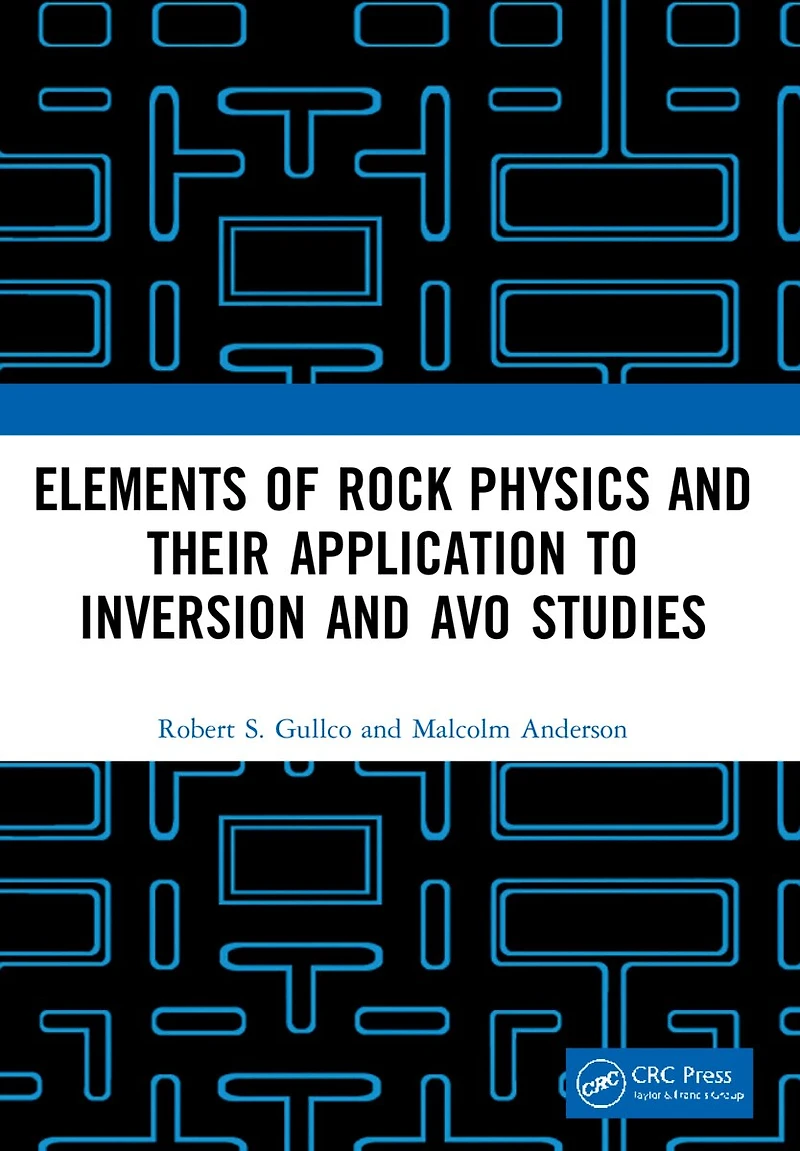
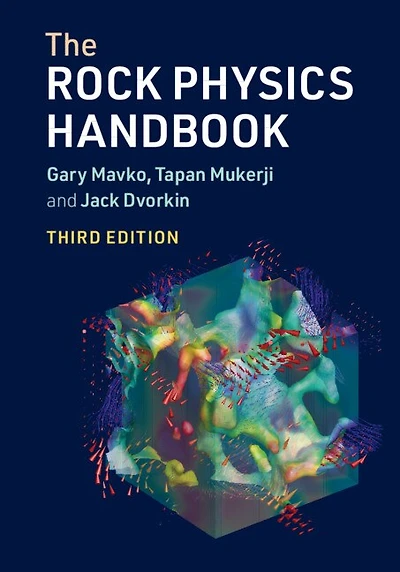
The ultimate aim of the oil exploration industry is to determine the distribution of rock types and underground fluids. At this stage, we can actually determine the distribution of several underground physical properties with a certain accuracy. The challenge for the rock physicist is to translate those physical properties (P-velocity, S-velocity, density) into rock types and fluids (gas-, or oil-, or water-bearing sand, shale). If performed correctly, dry holes can be avoided and millions of dollars can be saved. Ultimately, an integrated approach is required. This book deals with a series of topics in rock physics, including elasticity, pore pressure, incompressibility of rocks and the Gassmann equation, fluid substitution, forward modelling and empirical equations, rock physics applications to AVO studies and inversion studies, and the Differential Effective Medium (DEM) method. It is generally addressed to the practitioner (geophysicist, geologist), and in some instances, detailed instructions are furnished to perform a particular task. Some chapters, on the other hand, are theoretical and more mathematical, and are expected to be of interest to both practitioners and students alike. Other chapters include innovative ideas that could, for instance, be tested by oil companies that have substantial amounts of data at their disposal. This book will serve as a useful guide to practitioners (geologists, petrophysicists, geophysicists and reservoir engineers) and students/academics.
The ultimate aim of the oil exploration industry is to determine the distribution of rock types and underground fluids. At this stage, we can actually determine the distribution of several underground physical properties with a certain accuracy. The challenge for the rock physicist is to translate those physical properties (P-velocity, S-velocity, density) into rock types and fluids (gas-, or oil-, or water-bearing sand, shale). If performed correctly, dry holes can be avoided and millions of dollars can be saved. Ultimately, an integrated approach is required. This book deals with a series of topics in rock physics, including elasticity, pore pressure, incompressibility of rocks and the Gassmann equation, fluid substitution, forward modelling and empirical equations, rock physics applications to AVO studies and inversion studies, and the Differential Effective Medium (DEM) method. It is generally addressed to the practitioner (geophysicist, geologist), and in some instances, detailed instructions are furnished to perform a particular task. Some chapters, on the other hand, are theoretical and more mathematical, and are expected to be of interest to both practitioners and students alike. Other chapters include innovative ideas that could, for instance, be tested by oil companies that have substantial amounts of data at their disposal. This book will serve as a useful guide to practitioners (geologists, petrophysicists, geophysicists and reservoir engineers) and students/academics.
You May Also Like















More About Indigo at Erin Mills Town Centre
The largest book retailer in Canada also offers toys, music, home décor, gifts and lifestyle products. What's Inside...Books, Magazines, CD’s and DVD’s, Toys and Gifts, Home Accents, Electronics, Baby’s and Children’s Section, Bath and Body, Kitchen and Bedroom, Stationary Located outside in the exterior plaza.
5015 Glen Erin Dr, Mississauga, ON L5M 0R7, Canada
Find Indigo at Erin Mills Town Centre in Mississauga ON
Visit Indigo at Erin Mills Town Centre in Mississauga ON