

GIVE THE PERFECT GIFT
Erin Mills Town Centre Gift Cards are the perfect choice for your gift giving needs.Purchase gift cards at kiosks near the food court or centre court, at Guest Services, or click below to purchase online.PURCHASE HEREHome
Embodiment in Nineteenth-Century American Literature
Indigo
Loading Inventory...
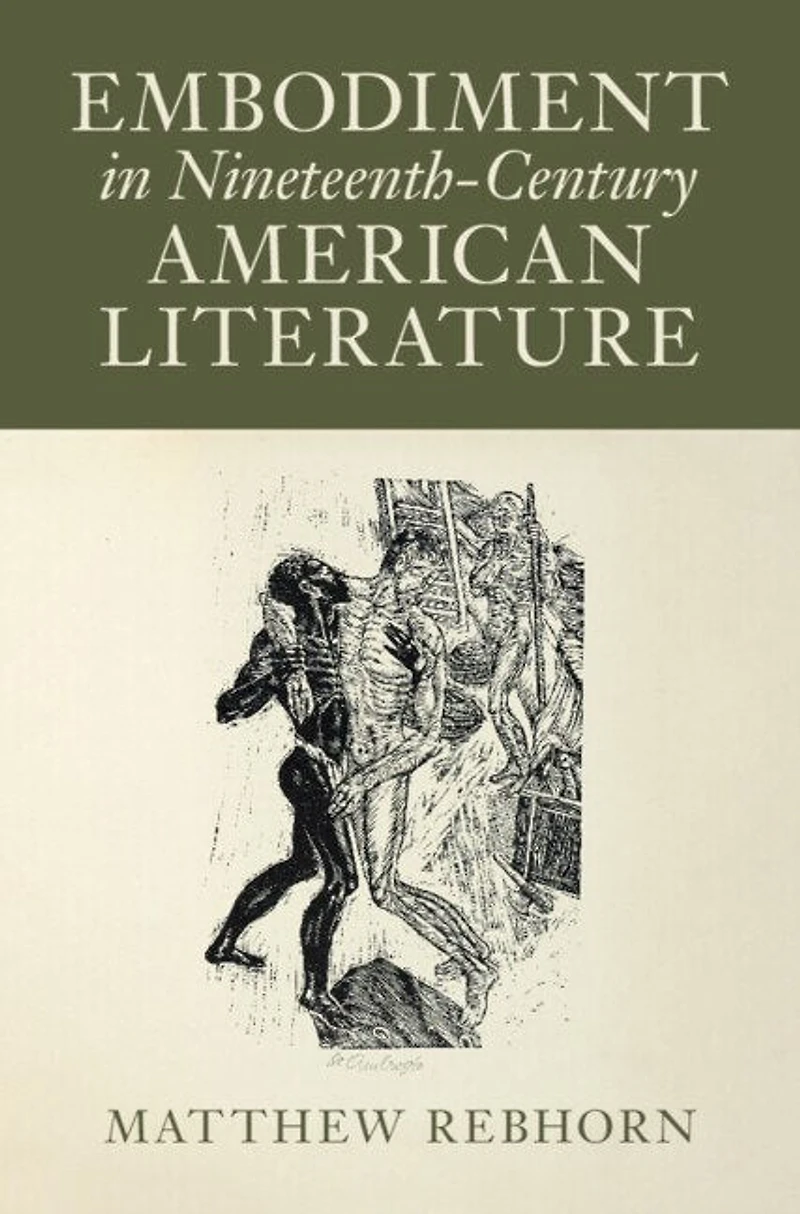
Embodiment in Nineteenth-Century American Literature
Current price: $137.95

Embodiment in Nineteenth-Century American Literature
Current price: $137.95
Loading Inventory...
Size: Hardcover
*Product information may vary - to confirm product availability, pricing, shipping and return information please contact Indigo
This book recovers an important set of American literary texts from the turn of the nineteenth century to the Civil War that focus on bodies that seem to have minds of their own. Artists such as Charles Brockden Brown, Robert Montgomery Bird, Edwin Forrest, Henry Box Brown, Elizabeth Stuart Phelps, and Herman Melville represented the evocative expressiveness of these literary bodies. With twitches and roars, flushes and blushes, these lively literary bodies shaped the development of American Literature even as they challenged the structures of chattel slavery, market capitalism, and the patriarchy. Situated within its historical context, this new story of nineteenth-century American Literature thus reveals how American literary expression-from novels to melodramas, from panoramas to magic tricks-represented less repressive, more capacious possibilities of conscious existence, and new forms of the human for those dehumanized in the nineteenth century.
This book recovers an important set of American literary texts from the turn of the nineteenth century to the Civil War that focus on bodies that seem to have minds of their own. Artists such as Charles Brockden Brown, Robert Montgomery Bird, Edwin Forrest, Henry Box Brown, Elizabeth Stuart Phelps, and Herman Melville represented the evocative expressiveness of these literary bodies. With twitches and roars, flushes and blushes, these lively literary bodies shaped the development of American Literature even as they challenged the structures of chattel slavery, market capitalism, and the patriarchy. Situated within its historical context, this new story of nineteenth-century American Literature thus reveals how American literary expression-from novels to melodramas, from panoramas to magic tricks-represented less repressive, more capacious possibilities of conscious existence, and new forms of the human for those dehumanized in the nineteenth century.
You May Also Like








More About Indigo at Erin Mills Town Centre
The largest book retailer in Canada also offers toys, music, home décor, gifts and lifestyle products. What's Inside...Books, Magazines, CD’s and DVD’s, Toys and Gifts, Home Accents, Electronics, Baby’s and Children’s Section, Bath and Body, Kitchen and Bedroom, Stationary Located outside in the exterior plaza.
5015 Glen Erin Dr, Mississauga, ON L5M 0R7, Canada
Find Indigo at Erin Mills Town Centre in Mississauga ON
Visit Indigo at Erin Mills Town Centre in Mississauga ON