

GIVE THE PERFECT GIFT
Erin Mills Town Centre Gift Cards are the perfect choice for your gift giving needs.Purchase gift cards at kiosks near the food court or centre court, at Guest Services, or click below to purchase online.PURCHASE HEREHome
Embodying Relation: Art Photography Mali
Indigo
Loading Inventory...
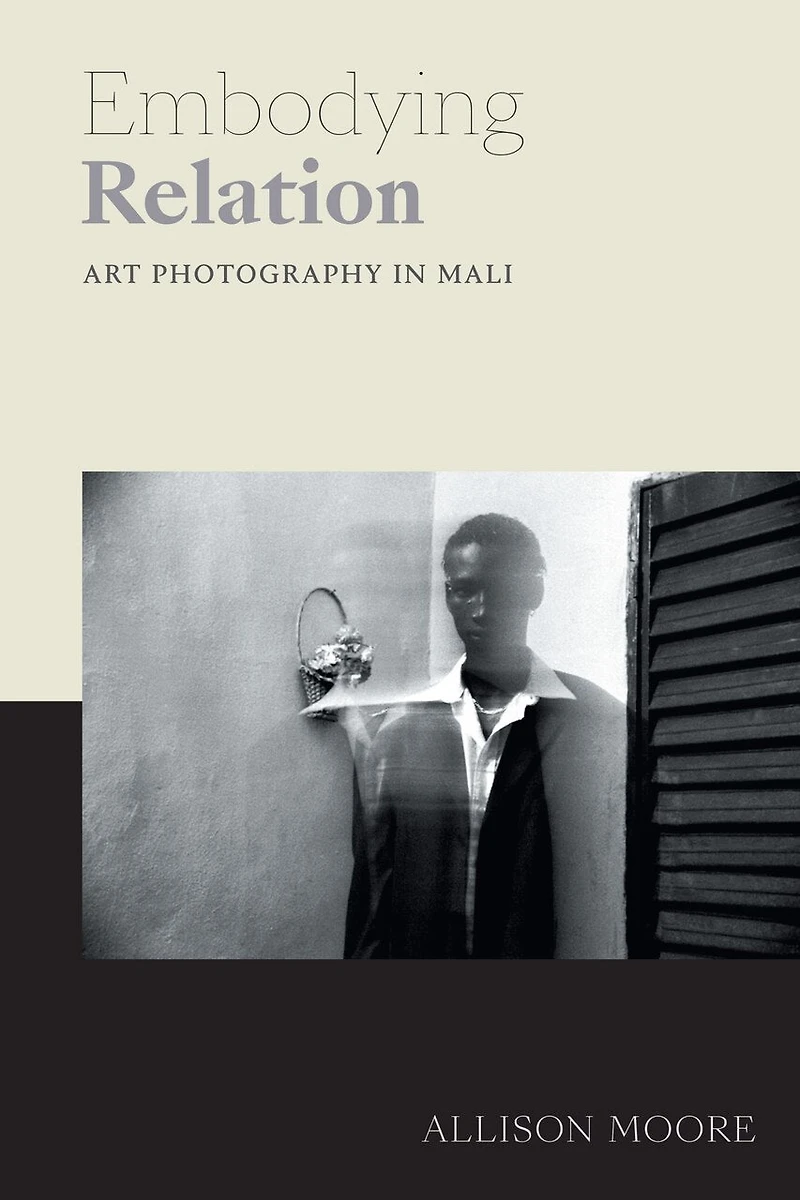

Embodying Relation: Art Photography Mali
Current price: $260.95

Embodying Relation: Art Photography Mali
Current price: $260.95
Loading Inventory...
Size: Hardcover
*Product information may vary - to confirm product availability, pricing, shipping and return information please contact Indigo
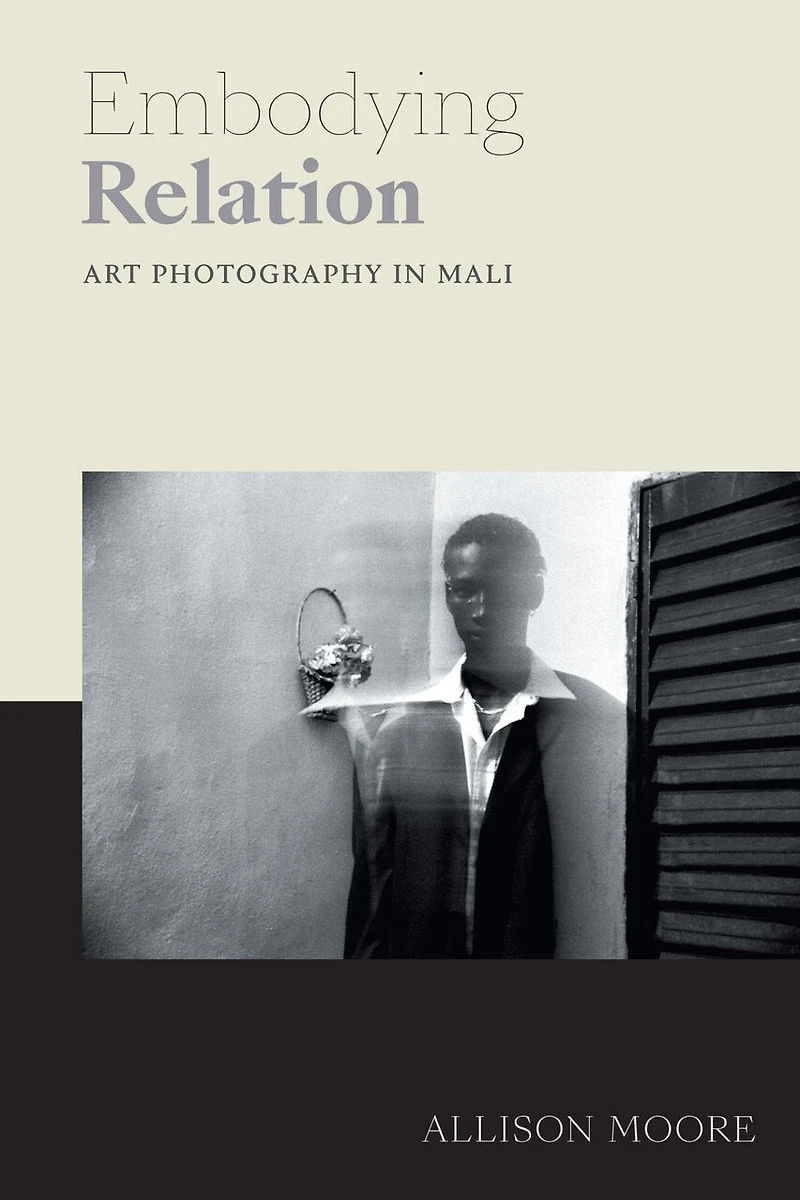
In Embodying Relation Allison Moore examines the tensions between the local and the global in the art photography movement in Bamako, Mali, which blossomed in the 1990s after Malian photographers Seydou Keta and Malick Sidib became internationally famous and the Bamako Photography Biennale was founded. Moore traces the trajectory of Malian photography from the 1880s-when photography first arrived as an apparatus of French colonialism-to the first African studio practitioners of the 1930s and the establishment in 1994 of the Bamako Biennale, Africa's most important continent-wide photographic exhibition. In her detailed discussion of Bamakois artistic aesthetics and institutions, Moore examines the post-fame careers of Keta and Sidib, the biennale's structure, the rise of women photographers, cultural preservation through photography, and how Mali's shift to democracy in the early 1990s enabled Bamako's art scene to flourish. Moore shows how Malian photographers' focus on cultural exchange, affective connections with different publics, and merging of traditional cultural precepts with modern notions of art embody Caribbean philosopher and poet douard Glissant's notion of "relation" in ways that spark new artistic forms, practices, and communities.
In Embodying Relation Allison Moore examines the tensions between the local and the global in the art photography movement in Bamako, Mali, which blossomed in the 1990s after Malian photographers Seydou Keta and Malick Sidib became internationally famous and the Bamako Photography Biennale was founded. Moore traces the trajectory of Malian photography from the 1880s-when photography first arrived as an apparatus of French colonialism-to the first African studio practitioners of the 1930s and the establishment in 1994 of the Bamako Biennale, Africa's most important continent-wide photographic exhibition. In her detailed discussion of Bamakois artistic aesthetics and institutions, Moore examines the post-fame careers of Keta and Sidib, the biennale's structure, the rise of women photographers, cultural preservation through photography, and how Mali's shift to democracy in the early 1990s enabled Bamako's art scene to flourish. Moore shows how Malian photographers' focus on cultural exchange, affective connections with different publics, and merging of traditional cultural precepts with modern notions of art embody Caribbean philosopher and poet douard Glissant's notion of "relation" in ways that spark new artistic forms, practices, and communities.
You May Also Like















More About Indigo at Erin Mills Town Centre
The largest book retailer in Canada also offers toys, music, home décor, gifts and lifestyle products. What's Inside...Books, Magazines, CD’s and DVD’s, Toys and Gifts, Home Accents, Electronics, Baby’s and Children’s Section, Bath and Body, Kitchen and Bedroom, Stationary Located outside in the exterior plaza.
5015 Glen Erin Dr, Mississauga, ON L5M 0R7, Canada
Find Indigo at Erin Mills Town Centre in Mississauga ON
Visit Indigo at Erin Mills Town Centre in Mississauga ON