

GIVE THE PERFECT GIFT
Erin Mills Town Centre Gift Cards are the perfect choice for your gift giving needs.Purchase gift cards at kiosks near the food court or centre court, at Guest Services, or click below to purchase online.PURCHASE HEREHome
Emmanuel Levinas: Essays on Phenomenology, Hermeneutics, and Jewish Thought
Indigo
Loading Inventory...
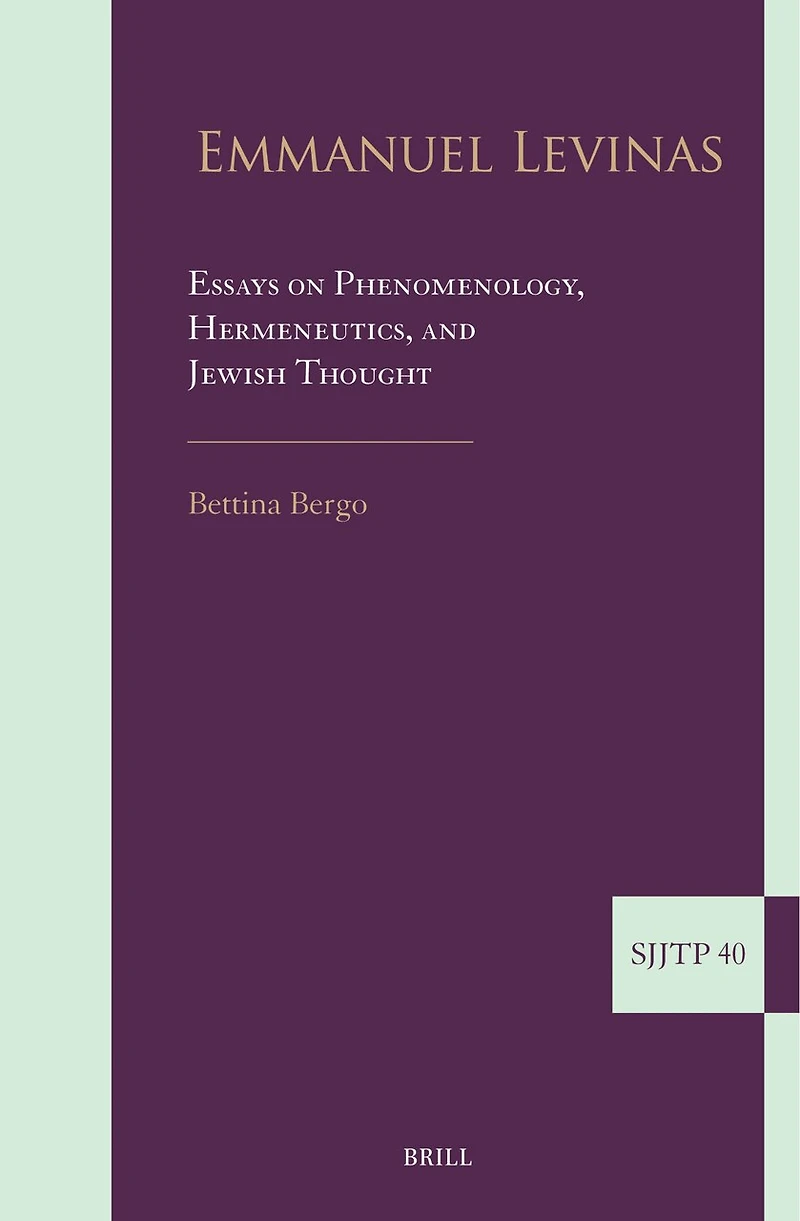
Emmanuel Levinas: Essays on Phenomenology, Hermeneutics, and Jewish Thought
Current price: $280.99

Emmanuel Levinas: Essays on Phenomenology, Hermeneutics, and Jewish Thought
Current price: $280.99
Loading Inventory...
Size: Hardcover
*Product information may vary - to confirm product availability, pricing, shipping and return information please contact Indigo
These essays unfold a complex picture from phenomenology to Talmudic readings. The essays show how radically Levinas expanded genetic phenomenology toward preconscious and intersubjective affectivity. They discuss Levinas' appropriation of Heidegger’s early hermeneutics as secular revelation of what-is toward a phenomenology of the unseen, adapting Maimonides' two-leveled conception of language. Pursuing the source of Heidegger's ontological difference to Eckhart, the book unearths the important influence of Maimonides on Eckhart, and Levinas' recourse to Maimonides' negative theology. It then explores two strains of biblical hermeneutics: a Hassidic source, via Buber, and a rationalist one, through Levinas. It closes with a consideration of politics, both revolutionary and that of “difference.”
These essays unfold a complex picture from phenomenology to Talmudic readings. The essays show how radically Levinas expanded genetic phenomenology toward preconscious and intersubjective affectivity. They discuss Levinas' appropriation of Heidegger’s early hermeneutics as secular revelation of what-is toward a phenomenology of the unseen, adapting Maimonides' two-leveled conception of language. Pursuing the source of Heidegger's ontological difference to Eckhart, the book unearths the important influence of Maimonides on Eckhart, and Levinas' recourse to Maimonides' negative theology. It then explores two strains of biblical hermeneutics: a Hassidic source, via Buber, and a rationalist one, through Levinas. It closes with a consideration of politics, both revolutionary and that of “difference.”
You May Also Like










More About Indigo at Erin Mills Town Centre
The largest book retailer in Canada also offers toys, music, home décor, gifts and lifestyle products. What's Inside...Books, Magazines, CD’s and DVD’s, Toys and Gifts, Home Accents, Electronics, Baby’s and Children’s Section, Bath and Body, Kitchen and Bedroom, Stationary Located outside in the exterior plaza.
5015 Glen Erin Dr, Mississauga, ON L5M 0R7, Canada
Find Indigo at Erin Mills Town Centre in Mississauga ON
Visit Indigo at Erin Mills Town Centre in Mississauga ON