

GIVE THE PERFECT GIFT
Erin Mills Town Centre Gift Cards are the perfect choice for your gift giving needs.Purchase gift cards at kiosks near the food court or centre court, at Guest Services, or click below to purchase online.PURCHASE HEREHome
Emotional Alterity in the Medieval North Sea World
Indigo
Loading Inventory...
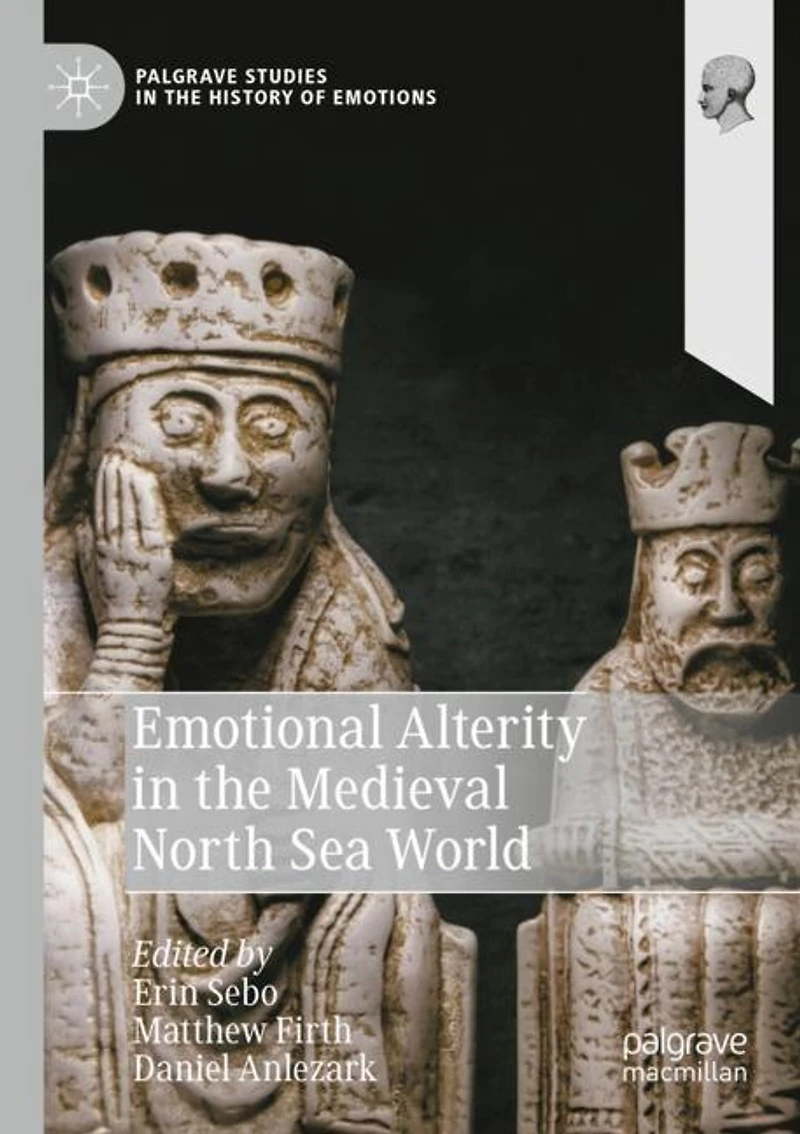
Emotional Alterity in the Medieval North Sea World
Current price: $248.50

Emotional Alterity in the Medieval North Sea World
Current price: $248.50
Loading Inventory...
Size: Paperback
*Product information may vary - to confirm product availability, pricing, shipping and return information please contact Indigo
This book addresses a little-considered aspect of the study of the history of emotions in medieval literature: the depiction of perplexing emotional reactions. Medieval literature often confronts audiences with displays of emotion that are improbable, physiologically impossible, or simply unfathomable in modern social contexts. The intent of such episodes is not always clear; medieval texts rarely explain emotional responses or their motivations. The implication is that the meanings communicated by such emotional display were so obvious to their intended audience that no explanation was required. This raises the question of whether such meanings can be recovered. This is the task to which the contributors to this book have put themselves. In approaching this question, this book does not set out to be a collection of literary studies that treat portrayals of emotion as simple tropes or motifs, isolated within their corpora. Rather, it seeks to uncover how such manifestations of feelingmay reflect cultural and social dynamics underlying vernacular literatures from across the medieval North Sea world.
This book addresses a little-considered aspect of the study of the history of emotions in medieval literature: the depiction of perplexing emotional reactions. Medieval literature often confronts audiences with displays of emotion that are improbable, physiologically impossible, or simply unfathomable in modern social contexts. The intent of such episodes is not always clear; medieval texts rarely explain emotional responses or their motivations. The implication is that the meanings communicated by such emotional display were so obvious to their intended audience that no explanation was required. This raises the question of whether such meanings can be recovered. This is the task to which the contributors to this book have put themselves. In approaching this question, this book does not set out to be a collection of literary studies that treat portrayals of emotion as simple tropes or motifs, isolated within their corpora. Rather, it seeks to uncover how such manifestations of feelingmay reflect cultural and social dynamics underlying vernacular literatures from across the medieval North Sea world.
You May Also Like


![New And Extensive Sailing Directions For The Navigation Of North Sea, Containing A Full Accurate Description Various Channels From Nore To Orfordness,[etc.]](https://cdn.mall.adeptmind.ai/https%253A%252F%252Fcdn.shopify.com%252Fs%252Ffiles%252F1%252F0655%252F8980%252F5233%252Ffiles%252F1_c6d20e55-d941-4e0c-8ca6-5cffd750c8a5.jpg_medium.webp)







More About Indigo at Erin Mills Town Centre
The largest book retailer in Canada also offers toys, music, home décor, gifts and lifestyle products. What's Inside...Books, Magazines, CD’s and DVD’s, Toys and Gifts, Home Accents, Electronics, Baby’s and Children’s Section, Bath and Body, Kitchen and Bedroom, Stationary Located outside in the exterior plaza.
5015 Glen Erin Dr, Mississauga, ON L5M 0R7, Canada
Find Indigo at Erin Mills Town Centre in Mississauga ON
Visit Indigo at Erin Mills Town Centre in Mississauga ON