

GIVE THE PERFECT GIFT
Erin Mills Town Centre Gift Cards are the perfect choice for your gift giving needs.Purchase gift cards at kiosks near the food court or centre court, at Guest Services, or click below to purchase online.PURCHASE HEREHome
Emotions and the Therapist: A Systemic-Dialogical Approach
Indigo
Loading Inventory...
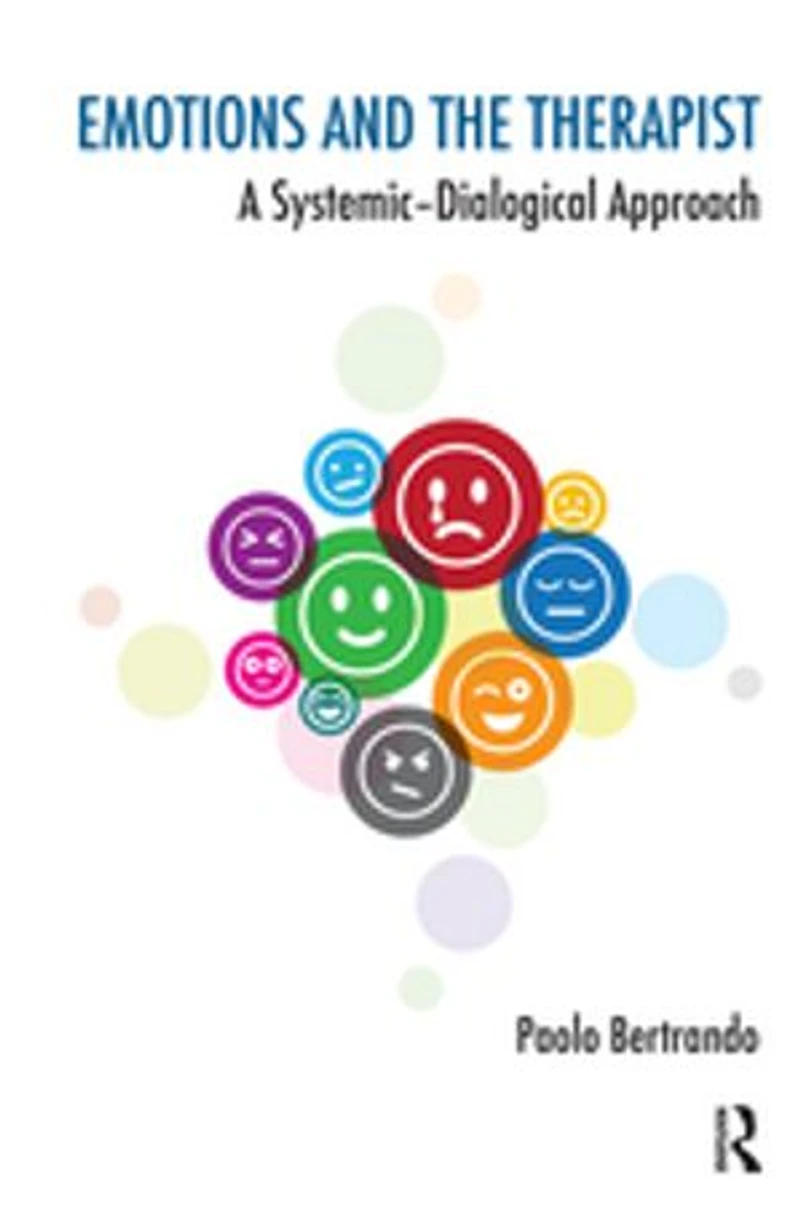
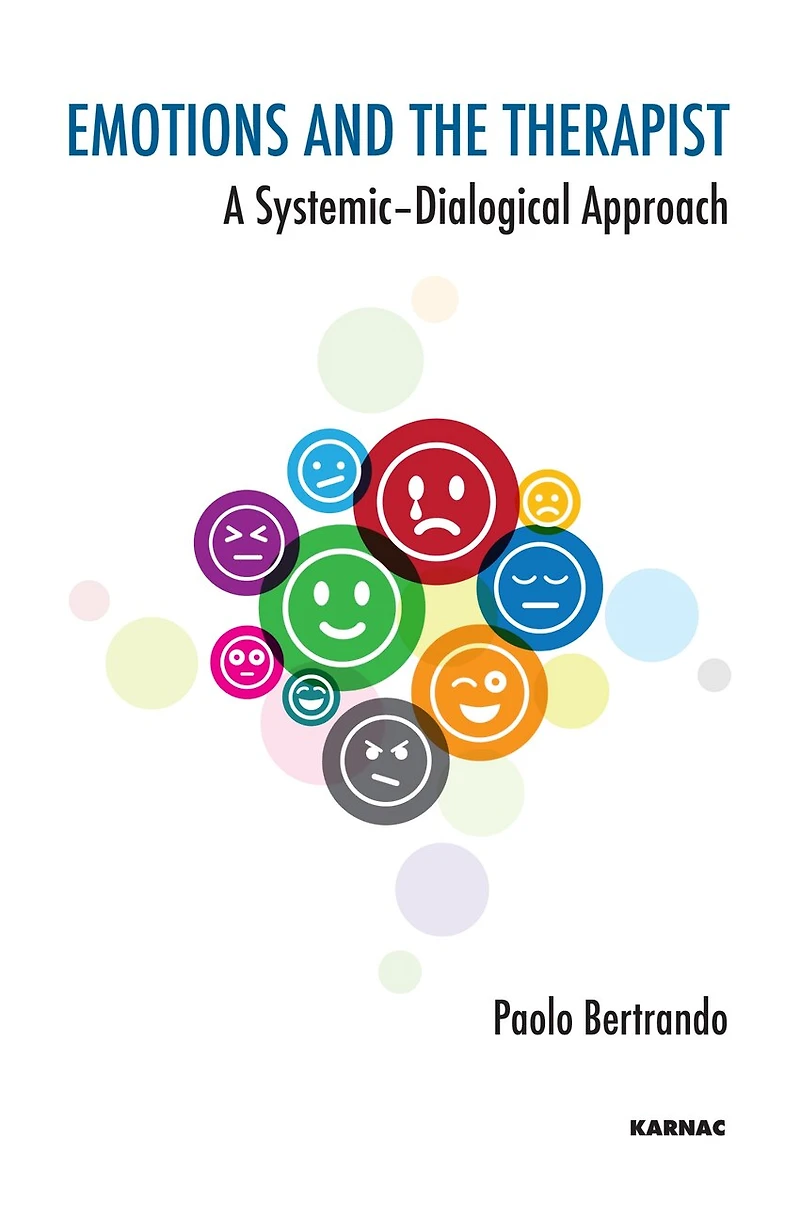
Emotions and the Therapist: A Systemic-Dialogical Approach
Current price: $78.71

Emotions and the Therapist: A Systemic-Dialogical Approach
Current price: $78.71
Loading Inventory...
Size: Kobo eBook
*Product information may vary - to confirm product availability, pricing, shipping and return information please contact Indigo
In recent years, systemic theory and practice adopted a dialogical orientation, centred on the persons of the therapist and client. This has led to a growing attention toward emotions, which, in this book, is developed in terms of emotional systems. An emotional system in therapy may be viewed as the sum of the emotions existing and interacting in people's lives. Relevant changes in life happen when emotional stances and sequences change within the system, leading, for example, to a greater sense of agency or hope, or to a different perception of the situation. This book looks at emotions within human systems in terms of dominant and silent emotions, which shape and are shaped by human relationships, and may be played in several ways according to reciprocal emotional positioning. The therapist uses his or her own feeling, and understanding of the emotions within the therapeutic dialogue, in order to create hypotheses and new dialogues which allow change.
In recent years, systemic theory and practice adopted a dialogical orientation, centred on the persons of the therapist and client. This has led to a growing attention toward emotions, which, in this book, is developed in terms of emotional systems. An emotional system in therapy may be viewed as the sum of the emotions existing and interacting in people's lives. Relevant changes in life happen when emotional stances and sequences change within the system, leading, for example, to a greater sense of agency or hope, or to a different perception of the situation. This book looks at emotions within human systems in terms of dominant and silent emotions, which shape and are shaped by human relationships, and may be played in several ways according to reciprocal emotional positioning. The therapist uses his or her own feeling, and understanding of the emotions within the therapeutic dialogue, in order to create hypotheses and new dialogues which allow change.
You May Also Like










More About Indigo at Erin Mills Town Centre
The largest book retailer in Canada also offers toys, music, home décor, gifts and lifestyle products. What's Inside...Books, Magazines, CD’s and DVD’s, Toys and Gifts, Home Accents, Electronics, Baby’s and Children’s Section, Bath and Body, Kitchen and Bedroom, Stationary Located outside in the exterior plaza.
5015 Glen Erin Dr, Mississauga, ON L5M 0R7, Canada
Find Indigo at Erin Mills Town Centre in Mississauga ON
Visit Indigo at Erin Mills Town Centre in Mississauga ON