

GIVE THE PERFECT GIFT
Erin Mills Town Centre Gift Cards are the perfect choice for your gift giving needs.Purchase gift cards at kiosks near the food court or centre court, at Guest Services, or click below to purchase online.PURCHASE HEREHome
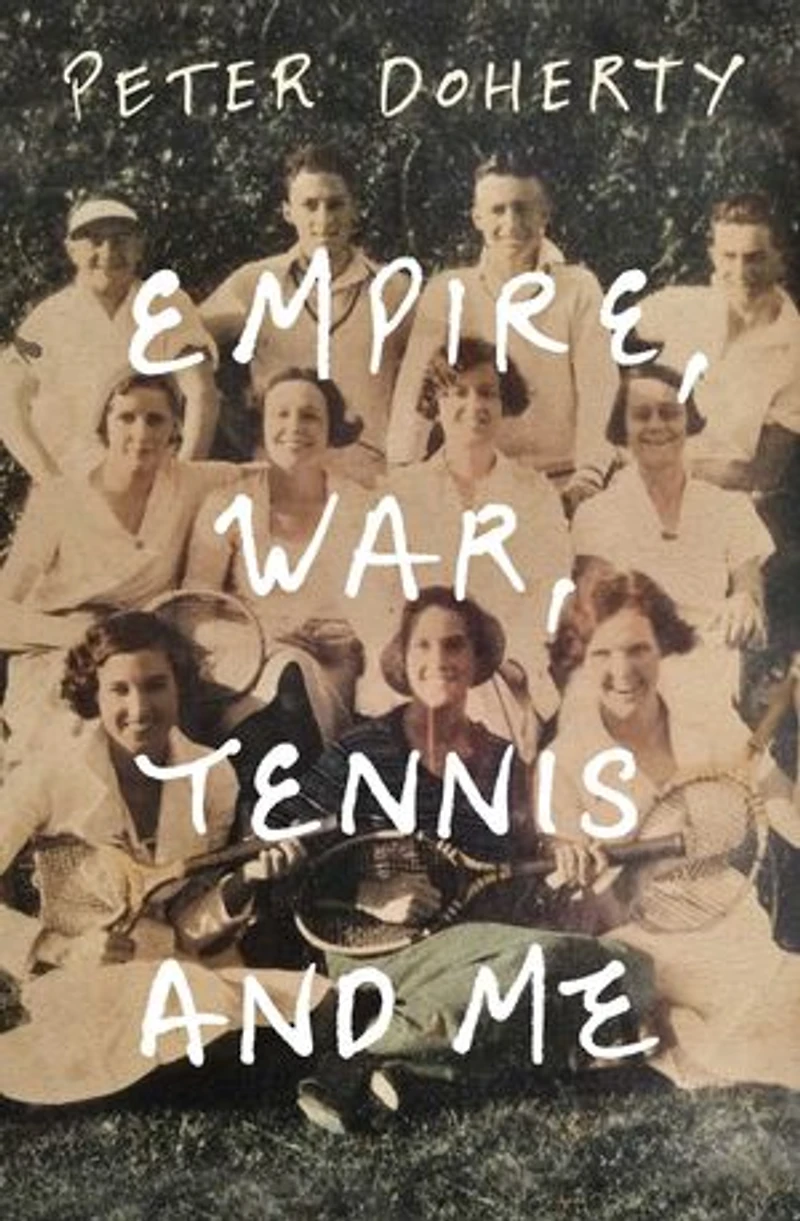
Empire, War, Tennis and Me
Indigo
Loading Inventory...
Empire, War, Tennis and Me
By None
Current price: $24.99

By None
Empire, War, Tennis and Me
Current price: $24.99
Loading Inventory...
Size: Kobo eBook
*Product information may vary - to confirm product availability, pricing, shipping and return information please contact Indigo
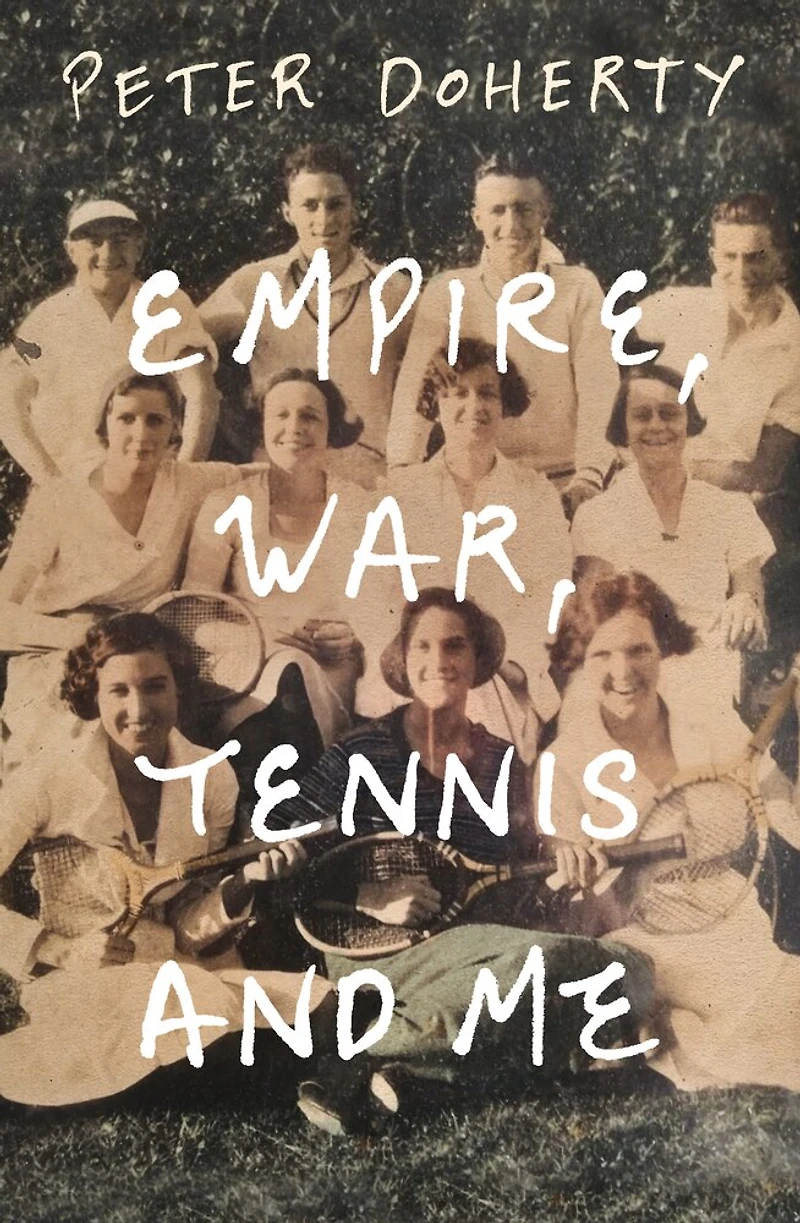
For those who look, and think deeply, new connections emerge. Peter Doherty, one of the world's foremost authorities on immunology, recipient of the Nobel Prize for medicine, and an active and respected commentator on public health, reflects in this book on empire, war, and tennis. Doherty identifies the origins of modern tennis within its imperial context, relating seemingly unlikely connections between the sport, its players, and national militaries. He traces the fate of tennis-and its players-as a nascent force for internationalism and cultural tolerance within the context of World War II. And he personalises this account through an unsentimental but revealing depiction of his tennis-loving Queenslander uncles, at war and in captivity in the Pacific. As Doherty shows, tennis and war have threaded their way through the lives of many people since the nineteenth century, in a way intriguingly unique to this sport. This is part of Peter's story. And, as we come to realise, it is also part of the story of our world.
For those who look, and think deeply, new connections emerge. Peter Doherty, one of the world's foremost authorities on immunology, recipient of the Nobel Prize for medicine, and an active and respected commentator on public health, reflects in this book on empire, war, and tennis. Doherty identifies the origins of modern tennis within its imperial context, relating seemingly unlikely connections between the sport, its players, and national militaries. He traces the fate of tennis-and its players-as a nascent force for internationalism and cultural tolerance within the context of World War II. And he personalises this account through an unsentimental but revealing depiction of his tennis-loving Queenslander uncles, at war and in captivity in the Pacific. As Doherty shows, tennis and war have threaded their way through the lives of many people since the nineteenth century, in a way intriguingly unique to this sport. This is part of Peter's story. And, as we come to realise, it is also part of the story of our world.
You May Also Like







More About Indigo at Erin Mills Town Centre
The largest book retailer in Canada also offers toys, music, home décor, gifts and lifestyle products. What's Inside...Books, Magazines, CD’s and DVD’s, Toys and Gifts, Home Accents, Electronics, Baby’s and Children’s Section, Bath and Body, Kitchen and Bedroom, Stationary Located outside in the exterior plaza.
5015 Glen Erin Dr, Mississauga, ON L5M 0R7, Canada
Find Indigo at Erin Mills Town Centre in Mississauga ON
Visit Indigo at Erin Mills Town Centre in Mississauga ON