

GIVE THE PERFECT GIFT
Erin Mills Town Centre Gift Cards are the perfect choice for your gift giving needs.Purchase gift cards at kiosks near the food court or centre court, at Guest Services, or click below to purchase online.PURCHASE HEREHome
Enabling Adaptive Water Management to Face Drought Risk a Changing Climate
Indigo
Loading Inventory...
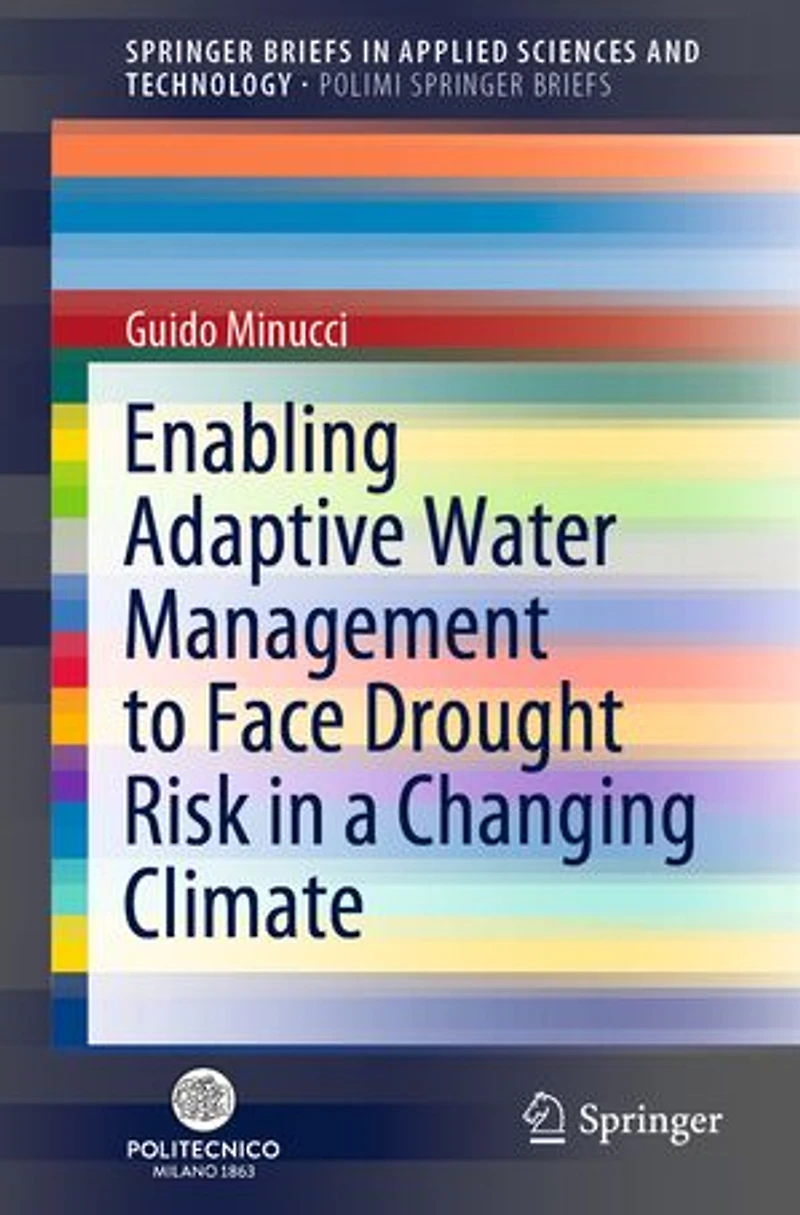
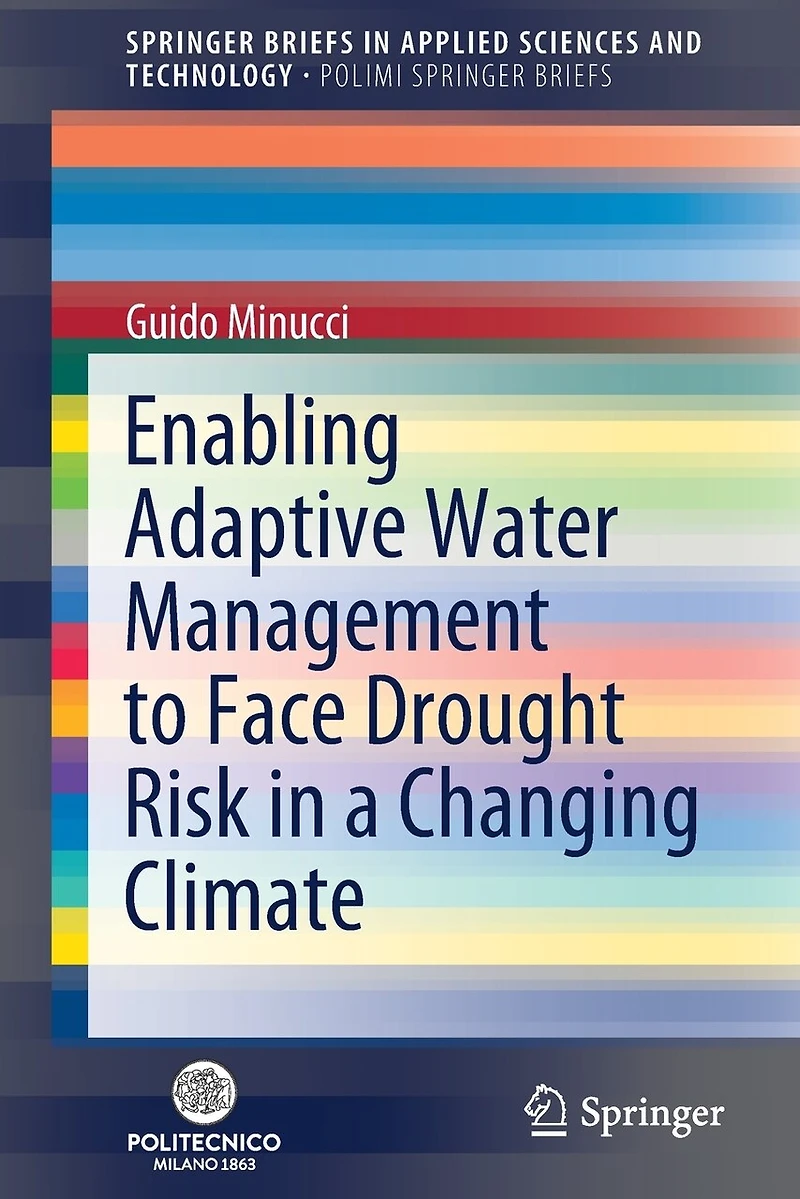
Enabling Adaptive Water Management to Face Drought Risk a Changing Climate
Current price: $64.49
Original price: $80.62

Enabling Adaptive Water Management to Face Drought Risk a Changing Climate
Current price: $64.49
Original price: $80.62
Loading Inventory...
Size: Kobo eBook
*Product information may vary - to confirm product availability, pricing, shipping and return information please contact Indigo
This book explores the current challenges with regard to uncertainty and risk in water management, as well as the interlinkages between drought and water management. It focuses on the challenges for water management organisations, which are expected to adapt to such changes and implement adaptive water management. The book proposes a methodology for assessing organisations' adaptive capacity, named REACT, and demonstrates its application in a case study. It subsequently analyses the barriers hindering water management organisations' ability to adapt, and investigates the socio-cultural and economic barriers in water governance to applying adaptive water management (AWM) strategies. Lastly, the book describes how to enable AWM in order to face current and future drought risks by integrating it with drought risk management. Given its scope, it will appeal to scientists, pracademics and professionals from academia, the water industry and involved in policymaking.
This book explores the current challenges with regard to uncertainty and risk in water management, as well as the interlinkages between drought and water management. It focuses on the challenges for water management organisations, which are expected to adapt to such changes and implement adaptive water management. The book proposes a methodology for assessing organisations' adaptive capacity, named REACT, and demonstrates its application in a case study. It subsequently analyses the barriers hindering water management organisations' ability to adapt, and investigates the socio-cultural and economic barriers in water governance to applying adaptive water management (AWM) strategies. Lastly, the book describes how to enable AWM in order to face current and future drought risks by integrating it with drought risk management. Given its scope, it will appeal to scientists, pracademics and professionals from academia, the water industry and involved in policymaking.
You May Also Like








More About Indigo at Erin Mills Town Centre
The largest book retailer in Canada also offers toys, music, home décor, gifts and lifestyle products. What's Inside...Books, Magazines, CD’s and DVD’s, Toys and Gifts, Home Accents, Electronics, Baby’s and Children’s Section, Bath and Body, Kitchen and Bedroom, Stationary Located outside in the exterior plaza.
5015 Glen Erin Dr, Mississauga, ON L5M 0R7, Canada
Find Indigo at Erin Mills Town Centre in Mississauga ON
Visit Indigo at Erin Mills Town Centre in Mississauga ON