

GIVE THE PERFECT GIFT
Erin Mills Town Centre Gift Cards are the perfect choice for your gift giving needs.Purchase gift cards at kiosks near the food court or centre court, at Guest Services, or click below to purchase online.PURCHASE HEREHome
Enamel defects and caries prevalence in preterm children aged 5-10 years in Dubai
Indigo
Loading Inventory...
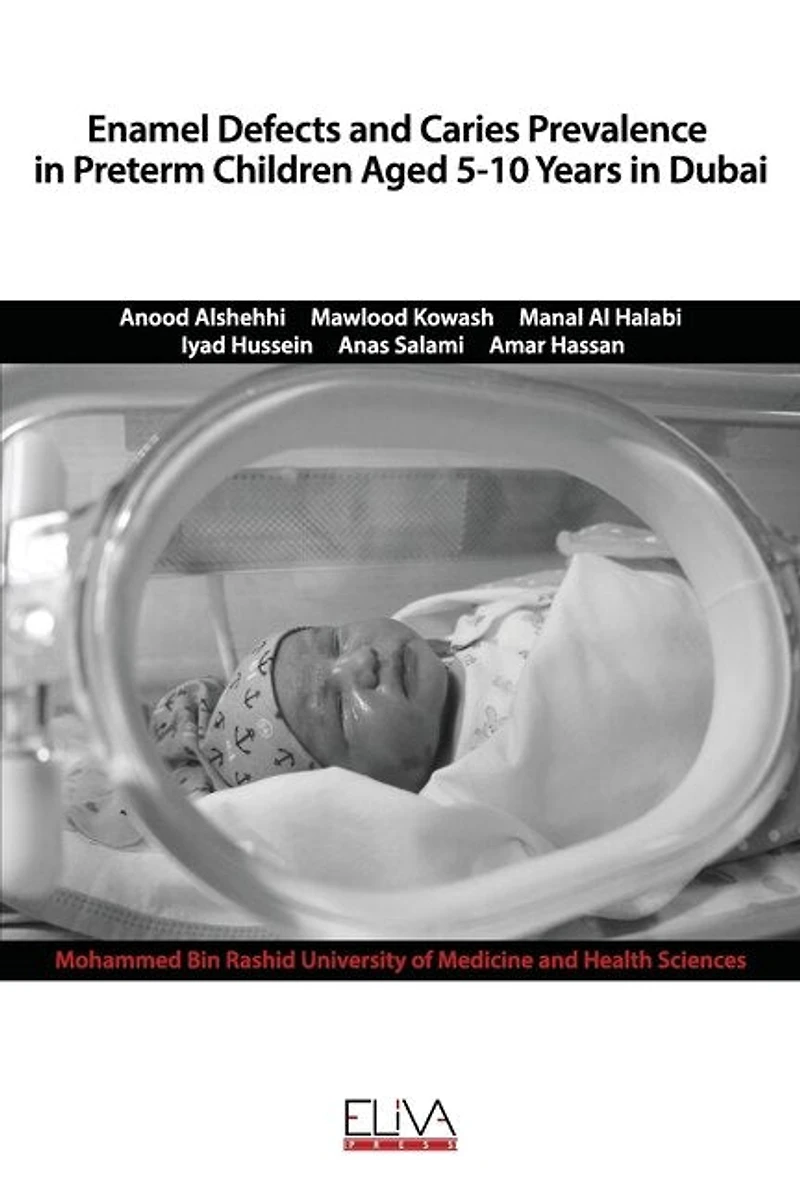
Enamel defects and caries prevalence in preterm children aged 5-10 years in Dubai
Current price: $59.50

Enamel defects and caries prevalence in preterm children aged 5-10 years in Dubai
Current price: $59.50
Loading Inventory...
Size: Paperback
*Product information may vary - to confirm product availability, pricing, shipping and return information please contact Indigo
Enamel defects (EDs) are commonly reported dental findings in preterm/low birthweight children. EDs potentially increase caries susceptibility. The aim of this study to assess the prevalence of EDs and dental caries in a group of preterm children (aged 5-10 years) in Dubai, United Arab Emirates (UAE).
Methodology: A retrospective cohort study of medical records of 62 preterm children (mean age 8.1 ± 1.54) and 62 full-term children (mean age 8.1 ± 1.73) of both genders born in a UAE children's hospital were studied. These children were dentally assessed for EDs and caries by a calibrated examiner.
Results: EDs were 4.34 times more prevalent among preterm children [odd ratio (OR) = 4.338, CI 95% [2.010-9.366]. The prevalence of EDs in the pre-term group was 58.15%, significantly higher (P
Conclusion: EDs and dental caries in permanent dentition in the pre-term group were significantly higher than the full-term group.
Enamel defects (EDs) are commonly reported dental findings in preterm/low birthweight children. EDs potentially increase caries susceptibility. The aim of this study to assess the prevalence of EDs and dental caries in a group of preterm children (aged 5-10 years) in Dubai, United Arab Emirates (UAE).
Methodology: A retrospective cohort study of medical records of 62 preterm children (mean age 8.1 ± 1.54) and 62 full-term children (mean age 8.1 ± 1.73) of both genders born in a UAE children's hospital were studied. These children were dentally assessed for EDs and caries by a calibrated examiner.
Results: EDs were 4.34 times more prevalent among preterm children [odd ratio (OR) = 4.338, CI 95% [2.010-9.366]. The prevalence of EDs in the pre-term group was 58.15%, significantly higher (P
Conclusion: EDs and dental caries in permanent dentition in the pre-term group were significantly higher than the full-term group.
You May Also Like
















More About Indigo at Erin Mills Town Centre
The largest book retailer in Canada also offers toys, music, home décor, gifts and lifestyle products. What's Inside...Books, Magazines, CD’s and DVD’s, Toys and Gifts, Home Accents, Electronics, Baby’s and Children’s Section, Bath and Body, Kitchen and Bedroom, Stationary Located outside in the exterior plaza.
5015 Glen Erin Dr, Mississauga, ON L5M 0R7, Canada
Find Indigo at Erin Mills Town Centre in Mississauga ON
Visit Indigo at Erin Mills Town Centre in Mississauga ON