

GIVE THE PERFECT GIFT
Erin Mills Town Centre Gift Cards are the perfect choice for your gift giving needs.Purchase gift cards at kiosks near the food court or centre court, at Guest Services, or click below to purchase online.PURCHASE HEREHome
Encyclopedia of Poltava
Indigo
Loading Inventory...
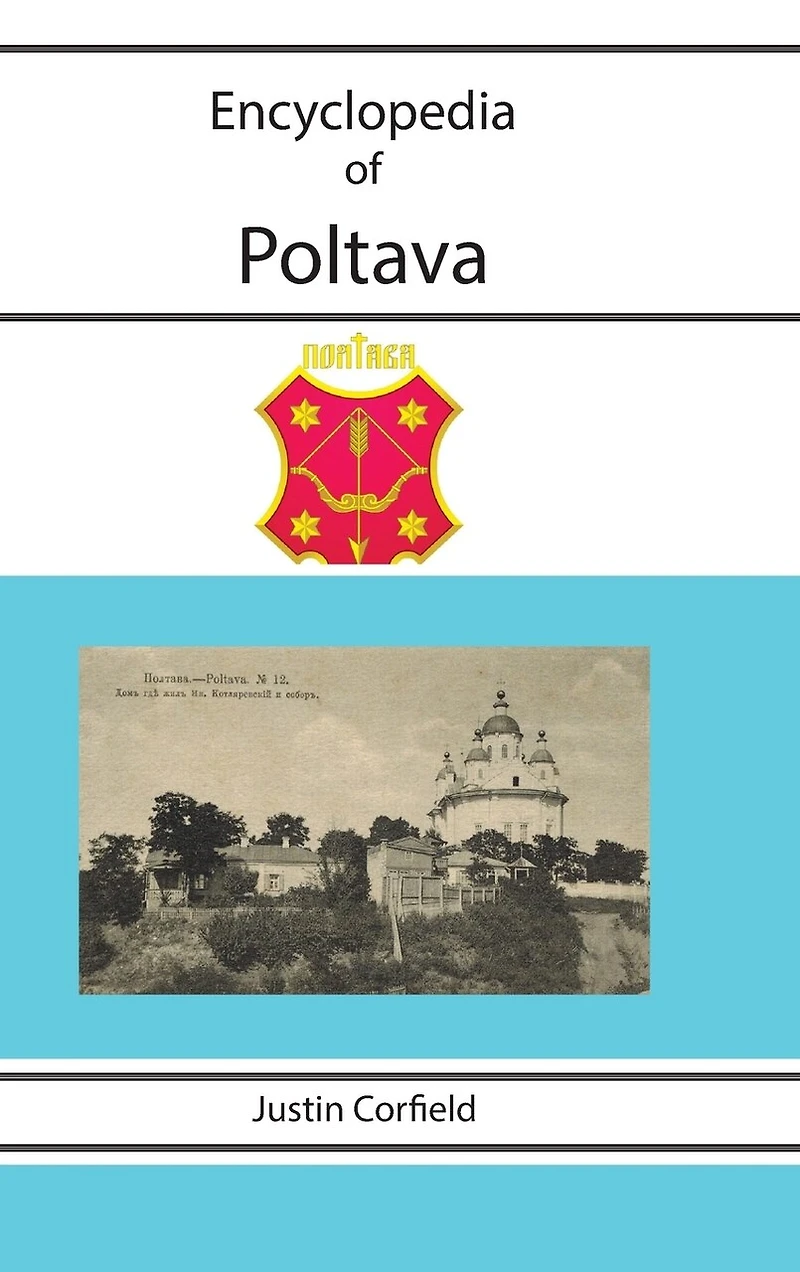
Encyclopedia of Poltava
Current price: $130.00

Encyclopedia of Poltava
Current price: $130.00
Loading Inventory...
Size: Hardcover
*Product information may vary - to confirm product availability, pricing, shipping and return information please contact Indigo
The city of Poltava in Ukraine has a unique place in the history of Eastern Europe. It was a significant local centre when the Swedish army lay siege to it in 1709. On 27 June (8 July, new style) of that year, the Swedes under Charles XII were defeated by a much larger Russian army. This led to the end of the Swedish Empire, and the victor of the battle, Russian Tsar Peter I becoming 'The Great'. In 1809 to commemorate the 100th anniversary of the battle, the Imperial Russian government started transforming Poltava which soon became a major centre of education for the region. Nikolai Gogol grew up nearby and Ivan Kotliarevsky spent most of his life in the city. Invaded in World War II, in 1943 German generals planned to depose Hitler when he was in Poltava, but the visit was cancelled. After being liberated by the Red Army, U.S. bombers were based at the city for raids on nearby on Axis targets. A major tourist site on account of the 1709 battle, and also its many literary and cultural associations, Poltava has played a very important role in Russian and Ukrainian history. It is central to the understanding of Ukrainian identity and role played by Ivan Mazepa in 1708-09. This is the first major historical work on the city in English. It draws on English, Russian, Swedish and Ukrainian sources, and contains over 700 illustrations.
The city of Poltava in Ukraine has a unique place in the history of Eastern Europe. It was a significant local centre when the Swedish army lay siege to it in 1709. On 27 June (8 July, new style) of that year, the Swedes under Charles XII were defeated by a much larger Russian army. This led to the end of the Swedish Empire, and the victor of the battle, Russian Tsar Peter I becoming 'The Great'. In 1809 to commemorate the 100th anniversary of the battle, the Imperial Russian government started transforming Poltava which soon became a major centre of education for the region. Nikolai Gogol grew up nearby and Ivan Kotliarevsky spent most of his life in the city. Invaded in World War II, in 1943 German generals planned to depose Hitler when he was in Poltava, but the visit was cancelled. After being liberated by the Red Army, U.S. bombers were based at the city for raids on nearby on Axis targets. A major tourist site on account of the 1709 battle, and also its many literary and cultural associations, Poltava has played a very important role in Russian and Ukrainian history. It is central to the understanding of Ukrainian identity and role played by Ivan Mazepa in 1708-09. This is the first major historical work on the city in English. It draws on English, Russian, Swedish and Ukrainian sources, and contains over 700 illustrations.
You May Also Like









More About Indigo at Erin Mills Town Centre
The largest book retailer in Canada also offers toys, music, home décor, gifts and lifestyle products. What's Inside...Books, Magazines, CD’s and DVD’s, Toys and Gifts, Home Accents, Electronics, Baby’s and Children’s Section, Bath and Body, Kitchen and Bedroom, Stationary Located outside in the exterior plaza.
5015 Glen Erin Dr, Mississauga, ON L5M 0R7, Canada
Find Indigo at Erin Mills Town Centre in Mississauga ON
Visit Indigo at Erin Mills Town Centre in Mississauga ON