

GIVE THE PERFECT GIFT
Erin Mills Town Centre Gift Cards are the perfect choice for your gift giving needs.Purchase gift cards at kiosks near the food court or centre court, at Guest Services, or click below to purchase online.PURCHASE HEREHome
Energy-Efficient Train Operation: A System Approach for Railway Networks
Indigo
Loading Inventory...
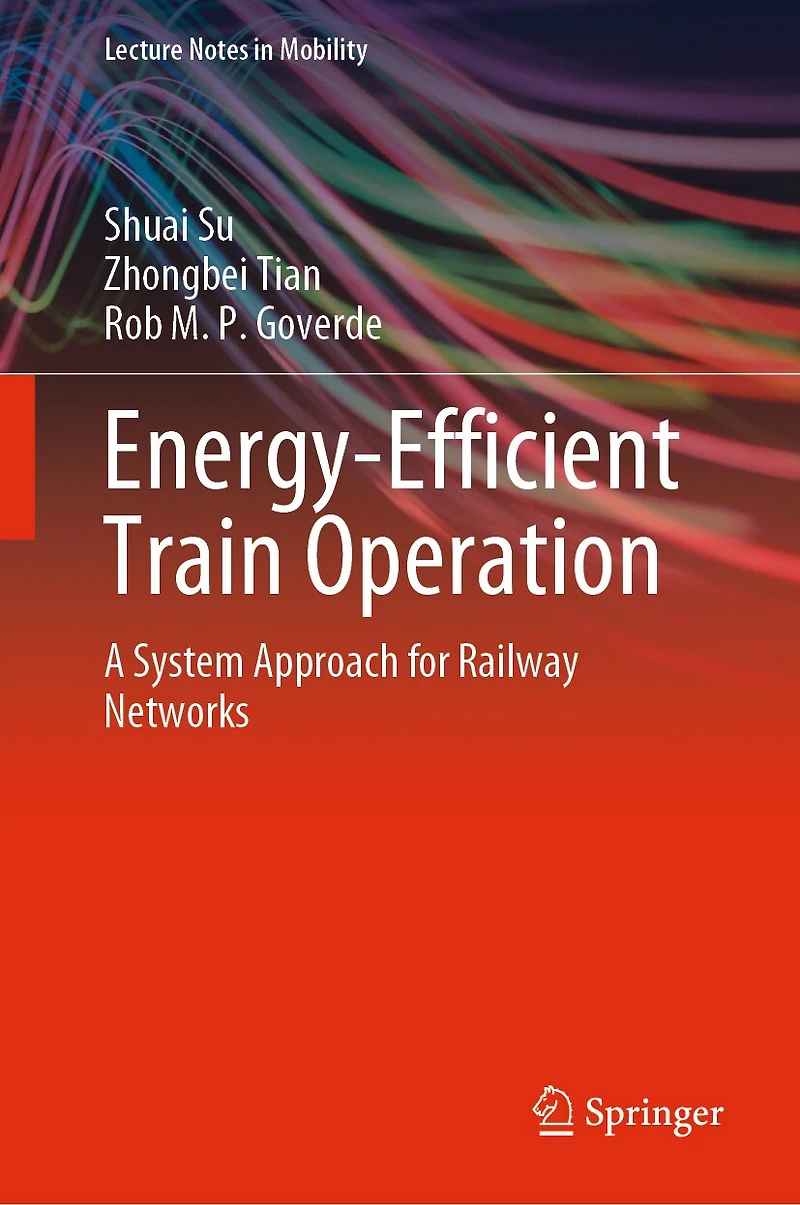
Energy-Efficient Train Operation: A System Approach for Railway Networks
Current price: $262.95

Energy-Efficient Train Operation: A System Approach for Railway Networks
Current price: $262.95
Loading Inventory...
Size: Hardcover
*Product information may vary - to confirm product availability, pricing, shipping and return information please contact Indigo
This book is closely related to the energy conservation problem of rail transport systems, focusing on reducing the energy consumption of train operation. The system process of train operation is analyzed and the relationship between train operation and energy consumption is introduced. The fundamental theories, modelling and application of technologies for energy-efficient train driving are presented, discussing timely topics such as energy-efficient train control and timetabling, integrated timetabling and regenerative braking, and maximizing regenerated energy usage with energy storage systems. In addition, the modelling and application of a traction power simulation platform is introduced, to calculate the detailed energy flow over a railway network. The book is enriched with a set of practical examples to illustrate the performance of the proposed methods in improving energy efficiency of both urban and long-distance trains. Overall, the book provides a timely guide to professionals in the railway industry, and to researchers and graduate students in transport, electrical and control engineering.
This book is closely related to the energy conservation problem of rail transport systems, focusing on reducing the energy consumption of train operation. The system process of train operation is analyzed and the relationship between train operation and energy consumption is introduced. The fundamental theories, modelling and application of technologies for energy-efficient train driving are presented, discussing timely topics such as energy-efficient train control and timetabling, integrated timetabling and regenerative braking, and maximizing regenerated energy usage with energy storage systems. In addition, the modelling and application of a traction power simulation platform is introduced, to calculate the detailed energy flow over a railway network. The book is enriched with a set of practical examples to illustrate the performance of the proposed methods in improving energy efficiency of both urban and long-distance trains. Overall, the book provides a timely guide to professionals in the railway industry, and to researchers and graduate students in transport, electrical and control engineering.
You May Also Like








More About Indigo at Erin Mills Town Centre
The largest book retailer in Canada also offers toys, music, home décor, gifts and lifestyle products. What's Inside...Books, Magazines, CD’s and DVD’s, Toys and Gifts, Home Accents, Electronics, Baby’s and Children’s Section, Bath and Body, Kitchen and Bedroom, Stationary Located outside in the exterior plaza.
5015 Glen Erin Dr, Mississauga, ON L5M 0R7, Canada
Find Indigo at Erin Mills Town Centre in Mississauga ON
Visit Indigo at Erin Mills Town Centre in Mississauga ON