

GIVE THE PERFECT GIFT
Erin Mills Town Centre Gift Cards are the perfect choice for your gift giving needs.Purchase gift cards at kiosks near the food court or centre court, at Guest Services, or click below to purchase online.PURCHASE HEREHome
Energy Forecasting and Control Methods for Energy Storage Systems in Distribution Networks: Predictive Modelling and Control Techniques
Indigo
Loading Inventory...
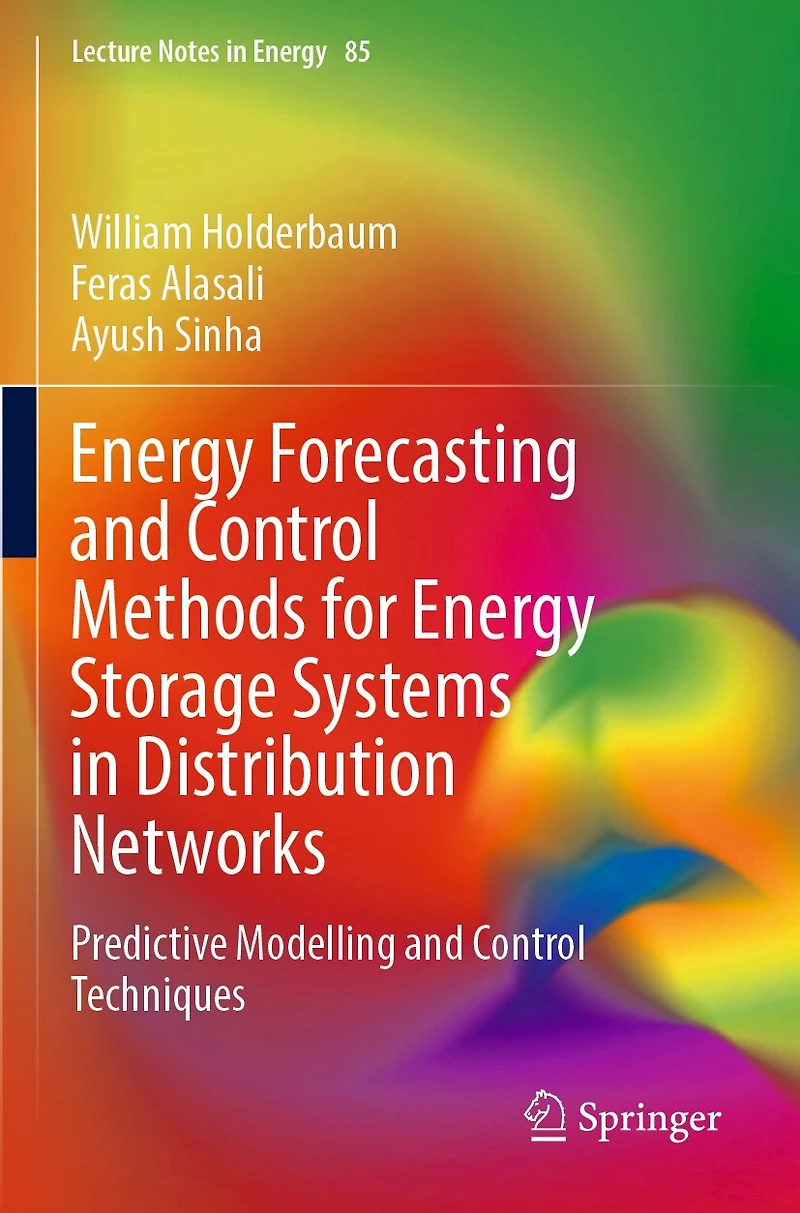
Energy Forecasting and Control Methods for Energy Storage Systems in Distribution Networks: Predictive Modelling and Control Techniques
Current price: $291.95

Energy Forecasting and Control Methods for Energy Storage Systems in Distribution Networks: Predictive Modelling and Control Techniques
Current price: $291.95
Loading Inventory...
Size: Paperback
*Product information may vary - to confirm product availability, pricing, shipping and return information please contact Indigo
This book describes the stochastic and predictive control modelling of electrical systems that can meet the challenge of forecasting energy requirements under volatile conditions. The global electrical grid is expected to face significant energy and environmental challenges such as greenhouse emissions and rising energy consumption due to the electrification of heating and transport. Today, the distribution network includes energy sources with volatile demand behaviour, and intermittent renewable generation. This has made it increasingly important to understand low voltage demand behaviour and requirements for optimal energy management systems to increase energy savings, reduce peak loads, and reduce gas emissions. Electrical load forecasting is a key tool for understanding and anticipating the highly stochastic behaviour of electricity demand, and for developing optimal energy management systems. Load forecasts, especially of the probabilistic variety, can support moreinformed planning and management decisions, which will be essential for future low carbon distribution networks. For storage devices, forecasts can optimise the appropriate state of control for the battery. There are limited books on load forecasts for low voltage distribution networks and even fewer demonstrations of how such forecasts can be integrated into the control of storage. This book presents material in load forecasting, control algorithms, and energy saving and provides practical guidance for practitioners using two real life examples: residential networks and cranes at a port terminal.
This book describes the stochastic and predictive control modelling of electrical systems that can meet the challenge of forecasting energy requirements under volatile conditions. The global electrical grid is expected to face significant energy and environmental challenges such as greenhouse emissions and rising energy consumption due to the electrification of heating and transport. Today, the distribution network includes energy sources with volatile demand behaviour, and intermittent renewable generation. This has made it increasingly important to understand low voltage demand behaviour and requirements for optimal energy management systems to increase energy savings, reduce peak loads, and reduce gas emissions. Electrical load forecasting is a key tool for understanding and anticipating the highly stochastic behaviour of electricity demand, and for developing optimal energy management systems. Load forecasts, especially of the probabilistic variety, can support moreinformed planning and management decisions, which will be essential for future low carbon distribution networks. For storage devices, forecasts can optimise the appropriate state of control for the battery. There are limited books on load forecasts for low voltage distribution networks and even fewer demonstrations of how such forecasts can be integrated into the control of storage. This book presents material in load forecasting, control algorithms, and energy saving and provides practical guidance for practitioners using two real life examples: residential networks and cranes at a port terminal.
You May Also Like









More About Indigo at Erin Mills Town Centre
The largest book retailer in Canada also offers toys, music, home décor, gifts and lifestyle products. What's Inside...Books, Magazines, CD’s and DVD’s, Toys and Gifts, Home Accents, Electronics, Baby’s and Children’s Section, Bath and Body, Kitchen and Bedroom, Stationary Located outside in the exterior plaza.
5015 Glen Erin Dr, Mississauga, ON L5M 0R7, Canada
Find Indigo at Erin Mills Town Centre in Mississauga ON
Visit Indigo at Erin Mills Town Centre in Mississauga ON