

GIVE THE PERFECT GIFT
Erin Mills Town Centre Gift Cards are the perfect choice for your gift giving needs.Purchase gift cards at kiosks near the food court or centre court, at Guest Services, or click below to purchase online.PURCHASE HEREHome
English for Academic Purposes: Perspectives on the Past, Present and Future
Indigo
Loading Inventory...
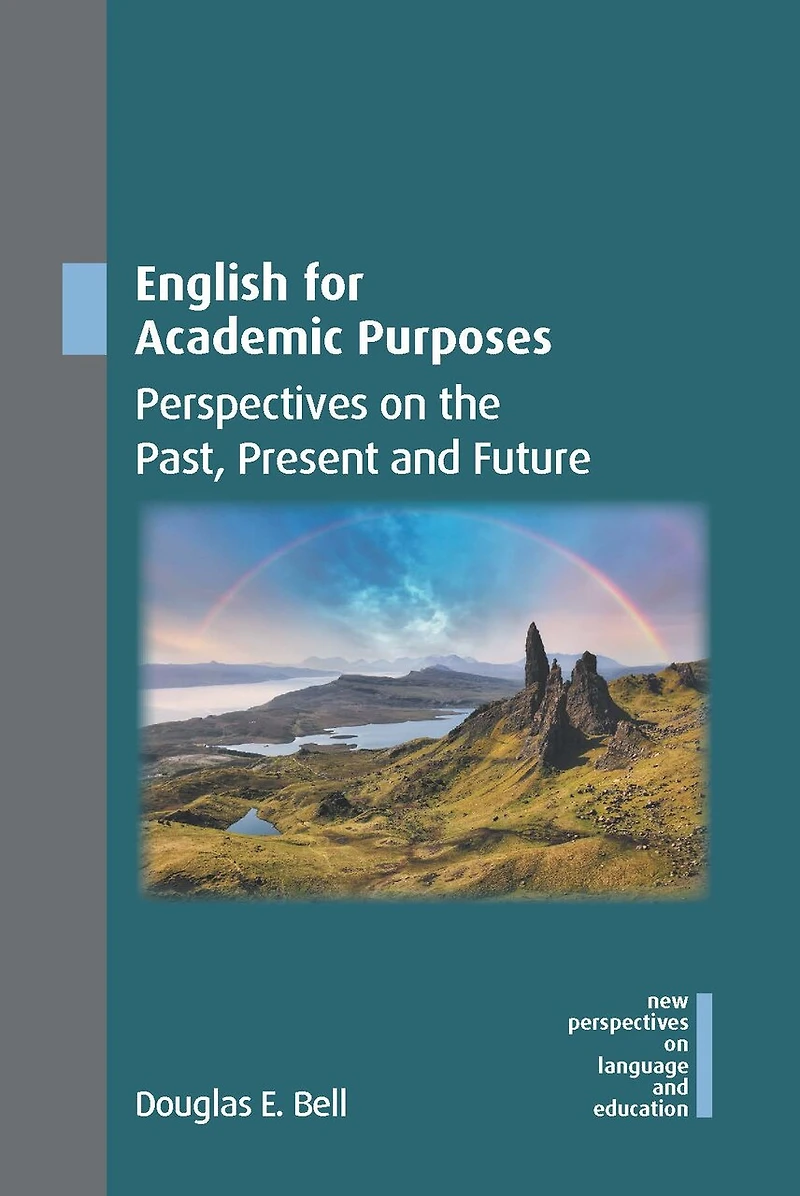
English for Academic Purposes: Perspectives on the Past, Present and Future
Current price: $214.95

English for Academic Purposes: Perspectives on the Past, Present and Future
Current price: $214.95
Loading Inventory...
Size: Hardcover
*Product information may vary - to confirm product availability, pricing, shipping and return information please contact Indigo
A systematic and critical exploration of the history of EAP from its birth until the present day.
Since its inception in the 1960s, the field of English for Academic Purposes (EAP) has enjoyed a period of almost continual expansion and growth and now represents a multi-million dollar industry worldwide. This book provides readers with a critical and comprehensive overview of EAP’s birth, its historical development and its ongoing trajectory, incorporating along the way the views of individuals who have played key roles in the field.
It examines a wide range of crucial topics in EAP, including pedagogy, materials and assessment and the role of EAP and those who teach it within the academy. The book concludes with a glimpse into the future as the author discusses the strengths, weaknesses and opportunities currently facing EAP and also evaluates some of the threats posed by issues such as privatisation and generative AI.
A systematic and critical exploration of the history of EAP from its birth until the present day.
Since its inception in the 1960s, the field of English for Academic Purposes (EAP) has enjoyed a period of almost continual expansion and growth and now represents a multi-million dollar industry worldwide. This book provides readers with a critical and comprehensive overview of EAP’s birth, its historical development and its ongoing trajectory, incorporating along the way the views of individuals who have played key roles in the field.
It examines a wide range of crucial topics in EAP, including pedagogy, materials and assessment and the role of EAP and those who teach it within the academy. The book concludes with a glimpse into the future as the author discusses the strengths, weaknesses and opportunities currently facing EAP and also evaluates some of the threats posed by issues such as privatisation and generative AI.
You May Also Like










More About Indigo at Erin Mills Town Centre
The largest book retailer in Canada also offers toys, music, home décor, gifts and lifestyle products. What's Inside...Books, Magazines, CD’s and DVD’s, Toys and Gifts, Home Accents, Electronics, Baby’s and Children’s Section, Bath and Body, Kitchen and Bedroom, Stationary Located outside in the exterior plaza.
5015 Glen Erin Dr, Mississauga, ON L5M 0R7, Canada
Find Indigo at Erin Mills Town Centre in Mississauga ON
Visit Indigo at Erin Mills Town Centre in Mississauga ON