

GIVE THE PERFECT GIFT
Erin Mills Town Centre Gift Cards are the perfect choice for your gift giving needs.Purchase gift cards at kiosks near the food court or centre court, at Guest Services, or click below to purchase online.PURCHASE HEREHome
English Grammar: Participles, Adverbs, and Conjunctions
Indigo
Loading Inventory...
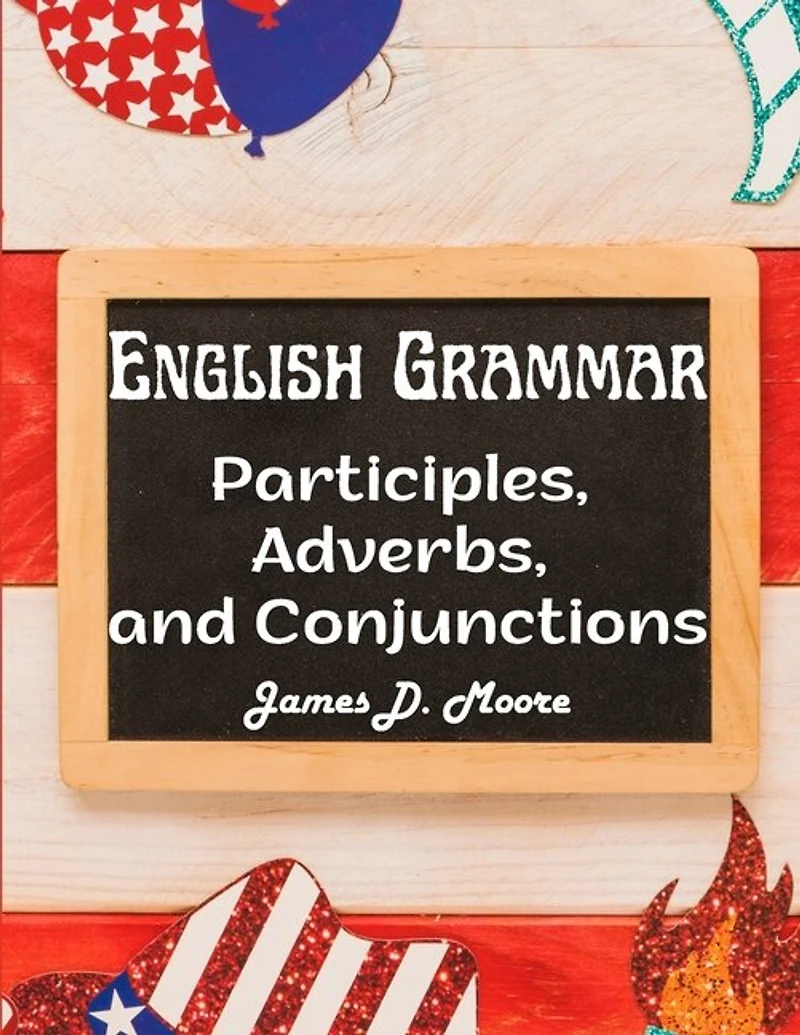
English Grammar: Participles, Adverbs, and Conjunctions
Current price: $23.97

English Grammar: Participles, Adverbs, and Conjunctions
Current price: $23.97
Loading Inventory...
Size: Paperback
*Product information may vary - to confirm product availability, pricing, shipping and return information please contact Indigo
The true or regular syntax of the English Participl e, as a part of speech distinct from the verb, and not converted into a noun or an adjective, is twofold; being sometimes that of simple relation to a noun or a pronoun that precedes it, and sometimes that of government, or the state of being governed by a preposition. In the former construction, the participle resembles an adjective; in the latter, it is more like a noun, or like the infinitive mood: for the participle after a preposition is governed as a participle, and not as a case. To these two constructions, some add three others less regular, using the participle sometimes as the subject of a finite verb, sometimes as the object of a transitive verb, and sometimes as a nominative after a neuter verb. Of these five constructions, the first two, are the legitimate uses of this part of speech; the others are occasional, modern, and of doubtful propriety. The syntax of an Adverb consists in its simple relation to a verb, a participle, an adjective, or whatever else it qualifies; just as the syntax of an English Adjective, (except in a few instances, ) consists in its simple relation to a noun or a pronoun. The syntax of Conjunctions consists, not (as L. Murray and others erroneously teach) in "their power of determining the mood of verbs," or the "cases of nouns and pronouns," but in the simple fact, that they link together such and such terms, and thus "mark the connexions of human thought."-Beattie.
The true or regular syntax of the English Participl e, as a part of speech distinct from the verb, and not converted into a noun or an adjective, is twofold; being sometimes that of simple relation to a noun or a pronoun that precedes it, and sometimes that of government, or the state of being governed by a preposition. In the former construction, the participle resembles an adjective; in the latter, it is more like a noun, or like the infinitive mood: for the participle after a preposition is governed as a participle, and not as a case. To these two constructions, some add three others less regular, using the participle sometimes as the subject of a finite verb, sometimes as the object of a transitive verb, and sometimes as a nominative after a neuter verb. Of these five constructions, the first two, are the legitimate uses of this part of speech; the others are occasional, modern, and of doubtful propriety. The syntax of an Adverb consists in its simple relation to a verb, a participle, an adjective, or whatever else it qualifies; just as the syntax of an English Adjective, (except in a few instances, ) consists in its simple relation to a noun or a pronoun. The syntax of Conjunctions consists, not (as L. Murray and others erroneously teach) in "their power of determining the mood of verbs," or the "cases of nouns and pronouns," but in the simple fact, that they link together such and such terms, and thus "mark the connexions of human thought."-Beattie.
You May Also Like












More About Indigo at Erin Mills Town Centre
The largest book retailer in Canada also offers toys, music, home décor, gifts and lifestyle products. What's Inside...Books, Magazines, CD’s and DVD’s, Toys and Gifts, Home Accents, Electronics, Baby’s and Children’s Section, Bath and Body, Kitchen and Bedroom, Stationary Located outside in the exterior plaza.
5015 Glen Erin Dr, Mississauga, ON L5M 0R7, Canada
Find Indigo at Erin Mills Town Centre in Mississauga ON
Visit Indigo at Erin Mills Town Centre in Mississauga ON