

GIVE THE PERFECT GIFT
Erin Mills Town Centre Gift Cards are the perfect choice for your gift giving needs.Purchase gift cards at kiosks near the food court or centre court, at Guest Services, or click below to purchase online.PURCHASE HEREHome
English Play Development under Neoliberalism, 2000–2022
Indigo
Loading Inventory...
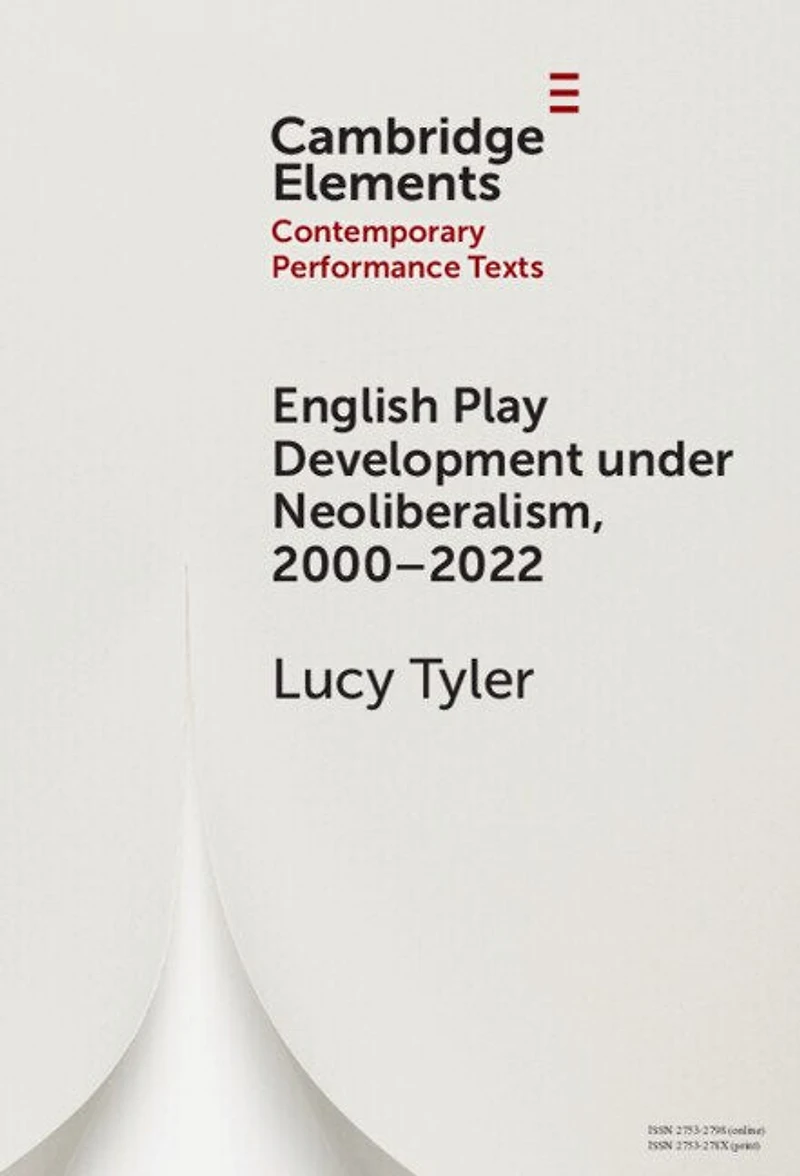
English Play Development under Neoliberalism, 2000–2022
Current price: $94.73

English Play Development under Neoliberalism, 2000–2022
Current price: $94.73
Loading Inventory...
Size: Hardcover
*Product information may vary - to confirm product availability, pricing, shipping and return information please contact Indigo
English Play Development under Neoliberalism, 2000–2022 is the first study of the institutionalising of English play development practices in the twenty-first century. It identifies the ways in which support for playwrights and text development increased beneficially during the 1990s and 2000s. It assesses bureaucratic institutional dynamics in key English producing houses as they were surveyed by two reports in 2009, and how these were experienced and transformed in the 2010s. The Element identifies in new play development innovations in the commodification and marketisation of new writing, the bureaucratisation of literary management, the structuring and restructuring of dramaturgy according to Fordist, then post-Fordist, conditions, and the necessity for commissioned artists to operate as neoliberal subjects. It concludes with attention to a liberatory horizon for play development in the English context. This title is also available as Open Access on Cambridge Core.
English Play Development under Neoliberalism, 2000–2022 is the first study of the institutionalising of English play development practices in the twenty-first century. It identifies the ways in which support for playwrights and text development increased beneficially during the 1990s and 2000s. It assesses bureaucratic institutional dynamics in key English producing houses as they were surveyed by two reports in 2009, and how these were experienced and transformed in the 2010s. The Element identifies in new play development innovations in the commodification and marketisation of new writing, the bureaucratisation of literary management, the structuring and restructuring of dramaturgy according to Fordist, then post-Fordist, conditions, and the necessity for commissioned artists to operate as neoliberal subjects. It concludes with attention to a liberatory horizon for play development in the English context. This title is also available as Open Access on Cambridge Core.
You May Also Like










More About Indigo at Erin Mills Town Centre
The largest book retailer in Canada also offers toys, music, home décor, gifts and lifestyle products. What's Inside...Books, Magazines, CD’s and DVD’s, Toys and Gifts, Home Accents, Electronics, Baby’s and Children’s Section, Bath and Body, Kitchen and Bedroom, Stationary Located outside in the exterior plaza.
5015 Glen Erin Dr, Mississauga, ON L5M 0R7, Canada
Find Indigo at Erin Mills Town Centre in Mississauga ON
Visit Indigo at Erin Mills Town Centre in Mississauga ON