

GIVE THE PERFECT GIFT
Erin Mills Town Centre Gift Cards are the perfect choice for your gift giving needs.Purchase gift cards at kiosks near the food court or centre court, at Guest Services, or click below to purchase online.PURCHASE HEREHome
English Translations of Shuihu Zhuan: A Narratological Perspective
Indigo
Loading Inventory...
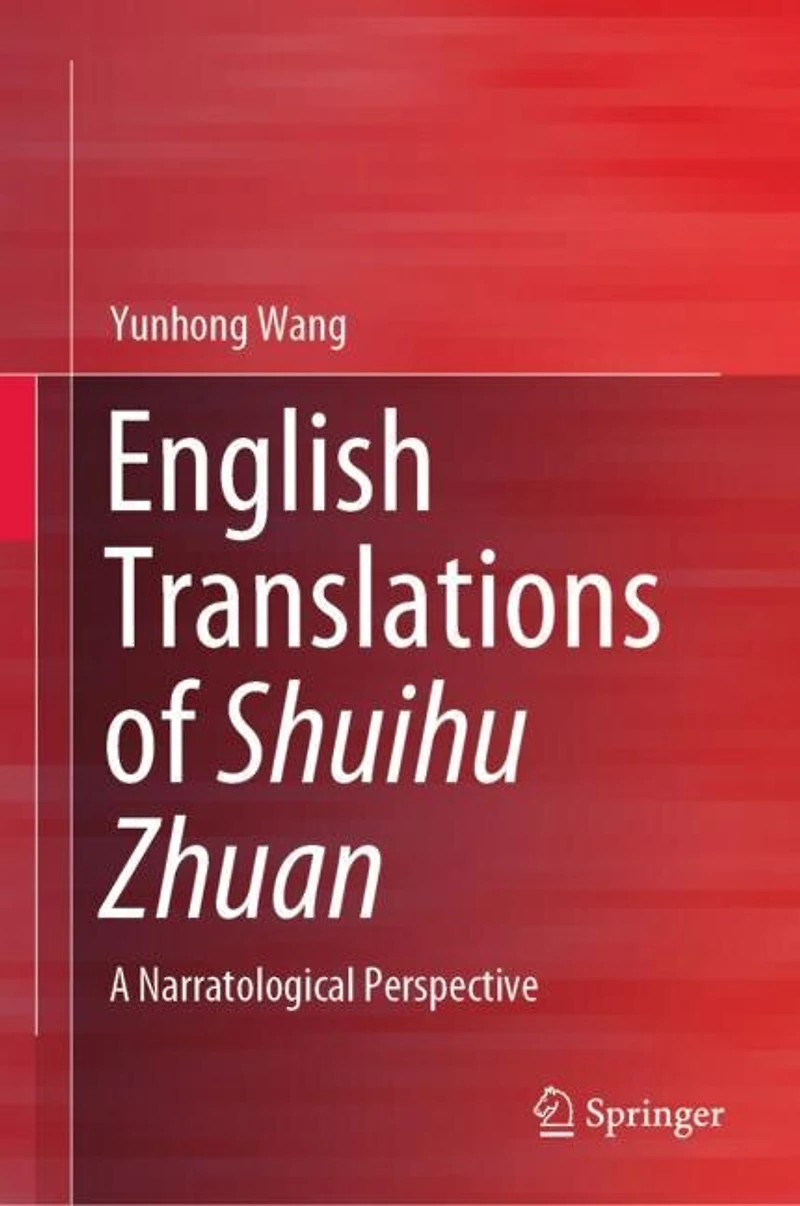
English Translations of Shuihu Zhuan: A Narratological Perspective
Current price: $160.95

English Translations of Shuihu Zhuan: A Narratological Perspective
Current price: $160.95
Loading Inventory...
Size: Hardcover
*Product information may vary - to confirm product availability, pricing, shipping and return information please contact Indigo
This book offers a novel perspective on the intersection of translation and narration in literary translation by investigating how three translations of Shuihu Zhuan present the original narrative mode to the target readership in terms of four narrative elements-voice, commentary, point of view and motif-in different periods of history. It not only validates but also quantifies the differences in strategy-making patterns between translators, as well as between different narratological categories. The established theoretical frameworks (including a narrative-descriptive model and a sociological explanatory framework) and the data collected may provide methodological and empirical support for further studies on shifts of narrative features in translation. The tendencies manifested by different translators and identified by the study may also shed new light on the teaching and learning of translation skills.
The book offers a valuable reference guide for scholars, practitioners, translators and graduate students in the fields of e.g. language, translation, literature and cultural studies, and for anyone with an interest in Chinese classical literature, Chinese-English translation, narrative studies or cross-cultural studies.
This book offers a novel perspective on the intersection of translation and narration in literary translation by investigating how three translations of Shuihu Zhuan present the original narrative mode to the target readership in terms of four narrative elements-voice, commentary, point of view and motif-in different periods of history. It not only validates but also quantifies the differences in strategy-making patterns between translators, as well as between different narratological categories. The established theoretical frameworks (including a narrative-descriptive model and a sociological explanatory framework) and the data collected may provide methodological and empirical support for further studies on shifts of narrative features in translation. The tendencies manifested by different translators and identified by the study may also shed new light on the teaching and learning of translation skills.
The book offers a valuable reference guide for scholars, practitioners, translators and graduate students in the fields of e.g. language, translation, literature and cultural studies, and for anyone with an interest in Chinese classical literature, Chinese-English translation, narrative studies or cross-cultural studies.
You May Also Like









More About Indigo at Erin Mills Town Centre
The largest book retailer in Canada also offers toys, music, home décor, gifts and lifestyle products. What's Inside...Books, Magazines, CD’s and DVD’s, Toys and Gifts, Home Accents, Electronics, Baby’s and Children’s Section, Bath and Body, Kitchen and Bedroom, Stationary Located outside in the exterior plaza.
5015 Glen Erin Dr, Mississauga, ON L5M 0R7, Canada
Find Indigo at Erin Mills Town Centre in Mississauga ON
Visit Indigo at Erin Mills Town Centre in Mississauga ON