

GIVE THE PERFECT GIFT
Erin Mills Town Centre Gift Cards are the perfect choice for your gift giving needs.Purchase gift cards at kiosks near the food court or centre court, at Guest Services, or click below to purchase online.PURCHASE HEREHome
Enterprise Architecture Turnaround
Indigo
Loading Inventory...
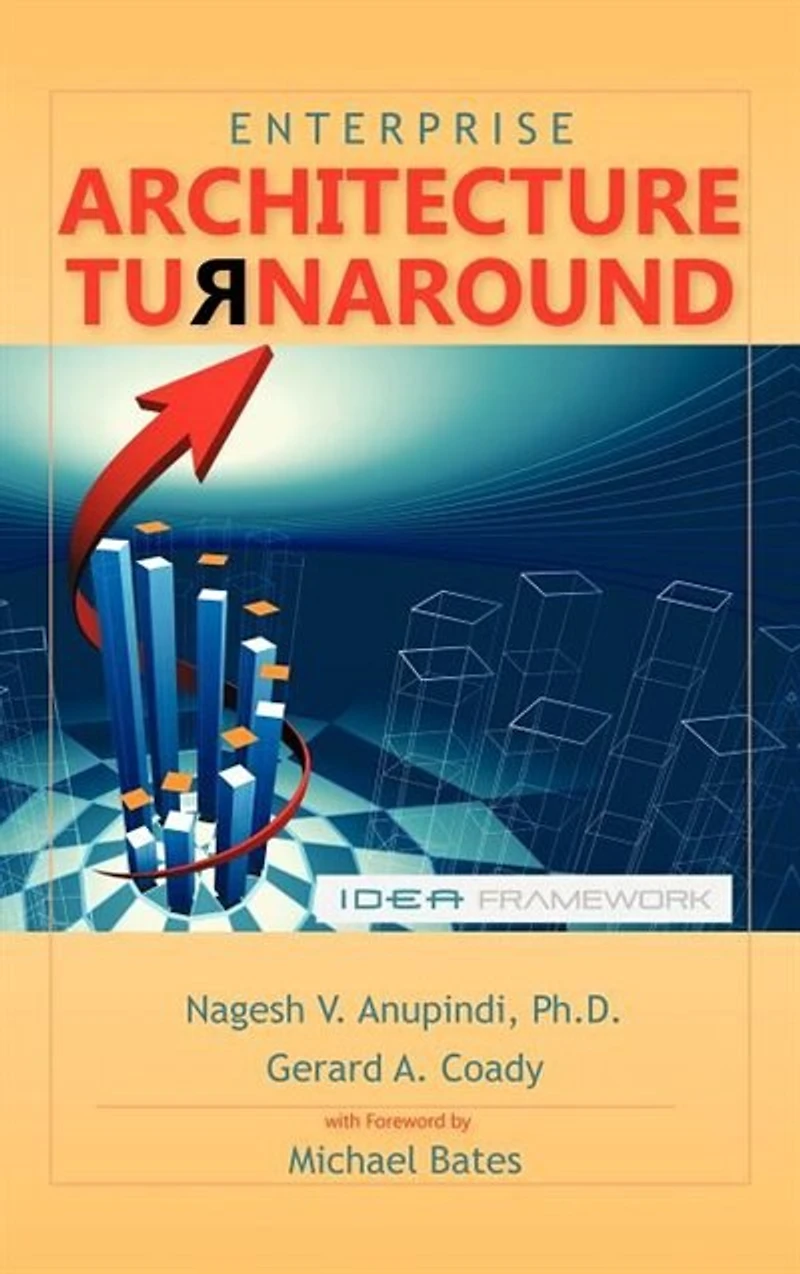
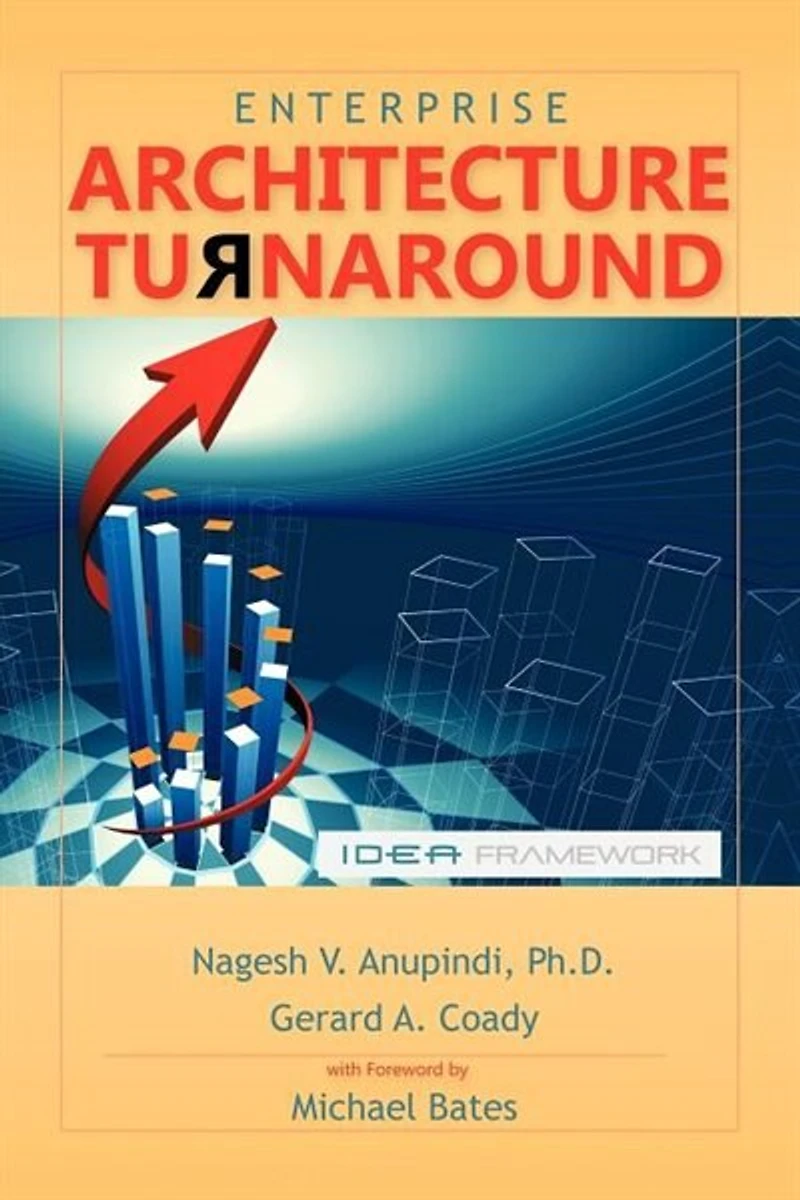
Enterprise Architecture Turnaround
Current price: $45.38

Enterprise Architecture Turnaround
Current price: $45.38
Loading Inventory...
Size: Hardcover
*Product information may vary - to confirm product availability, pricing, shipping and return information please contact Indigo
To provide structure and transparency to the complex world of IT, Enterprise Architecture was created. However, we created complexities within Enterprise Architecture with Frameworks that are not easily understandable and purposefully implementable. In this book, Nagesh and Gerry help to turnaround Enterprise Architecture organizations. They introduce a simple IDEA Framework that is based on common practices and investments within IT organizations. The Ten deliverables presented in this book bring structure and clarity to IT organizations that are 10-people IT shops and 1000+ IT staff enterprises alike. This book is not an ivory tower work, it is actionable, applied Enterprise Architecture. It is also a healthy dose of EA "tough love." If you want to know why EA fails, read the second chapter. It is introspective, it does not blame external forces: the not-my-fault syndrome. It also does not blame, in fact it hardly mentions, technology. To be fair, the Nagesh and Gerry do recognize external influences; however they are viewed as risks that must be managed. Most corporations focus on this year's budget, investments, and rewards. The same focus rolls downhill to the Information Technology department. If the IT department has not successfully communicated the budget and managed to spend it within the limits (±10% variance), everything else may seem irrelevant. Eventually, Nagesh and Gerry started looking through current IT systems and IT assets to understand: (a) where the current funds were being invested, (b) how these investments jelled or were mandated because of the previous investments that had been made by IT, and (c) how the company's business priorities aligned with future technology needs, including the need to meet compliance requirements. Considering and discovering the answers to these three questions led Nagesh and Gerry to develop a definition of Enterprise Architecture that was based on technology investments - Investment Driven Enterprise Architecture (IDEA) Framework. The purpose of the IDEA Framework is to provide guidance on how the corporation's future technology will be drafted and communicated. Its method is to utilize actual systems, hardware, people, and business functions in order to establish boundaries within which the IDEA Framework will work. The structure of the IDEA Framework differs from that of many others because it consists of key deliverables that fit into day-to-day activities and it accommodates an enterprise-wide strategic plan. It also provides for the much-needed interaction between these key deliverables and facilitates contributions from key stakeholders across Business Units and the various IT departments. In essence, the IDEA Framework takes the key deliverables, stakeholders, and organizations and demonstrates how they dynamically function together.
To provide structure and transparency to the complex world of IT, Enterprise Architecture was created. However, we created complexities within Enterprise Architecture with Frameworks that are not easily understandable and purposefully implementable. In this book, Nagesh and Gerry help to turnaround Enterprise Architecture organizations. They introduce a simple IDEA Framework that is based on common practices and investments within IT organizations. The Ten deliverables presented in this book bring structure and clarity to IT organizations that are 10-people IT shops and 1000+ IT staff enterprises alike. This book is not an ivory tower work, it is actionable, applied Enterprise Architecture. It is also a healthy dose of EA "tough love." If you want to know why EA fails, read the second chapter. It is introspective, it does not blame external forces: the not-my-fault syndrome. It also does not blame, in fact it hardly mentions, technology. To be fair, the Nagesh and Gerry do recognize external influences; however they are viewed as risks that must be managed. Most corporations focus on this year's budget, investments, and rewards. The same focus rolls downhill to the Information Technology department. If the IT department has not successfully communicated the budget and managed to spend it within the limits (±10% variance), everything else may seem irrelevant. Eventually, Nagesh and Gerry started looking through current IT systems and IT assets to understand: (a) where the current funds were being invested, (b) how these investments jelled or were mandated because of the previous investments that had been made by IT, and (c) how the company's business priorities aligned with future technology needs, including the need to meet compliance requirements. Considering and discovering the answers to these three questions led Nagesh and Gerry to develop a definition of Enterprise Architecture that was based on technology investments - Investment Driven Enterprise Architecture (IDEA) Framework. The purpose of the IDEA Framework is to provide guidance on how the corporation's future technology will be drafted and communicated. Its method is to utilize actual systems, hardware, people, and business functions in order to establish boundaries within which the IDEA Framework will work. The structure of the IDEA Framework differs from that of many others because it consists of key deliverables that fit into day-to-day activities and it accommodates an enterprise-wide strategic plan. It also provides for the much-needed interaction between these key deliverables and facilitates contributions from key stakeholders across Business Units and the various IT departments. In essence, the IDEA Framework takes the key deliverables, stakeholders, and organizations and demonstrates how they dynamically function together.
You May Also Like








More About Indigo at Erin Mills Town Centre
The largest book retailer in Canada also offers toys, music, home décor, gifts and lifestyle products. What's Inside...Books, Magazines, CD’s and DVD’s, Toys and Gifts, Home Accents, Electronics, Baby’s and Children’s Section, Bath and Body, Kitchen and Bedroom, Stationary Located outside in the exterior plaza.
5015 Glen Erin Dr, Mississauga, ON L5M 0R7, Canada
Find Indigo at Erin Mills Town Centre in Mississauga ON
Visit Indigo at Erin Mills Town Centre in Mississauga ON