

GIVE THE PERFECT GIFT
Erin Mills Town Centre Gift Cards are the perfect choice for your gift giving needs.Purchase gift cards at kiosks near the food court or centre court, at Guest Services, or click below to purchase online.PURCHASE HEREHome
ENVIRONMENTAL PSYCHIATRY: Airborne pollutants and mental health
Indigo
Loading Inventory...
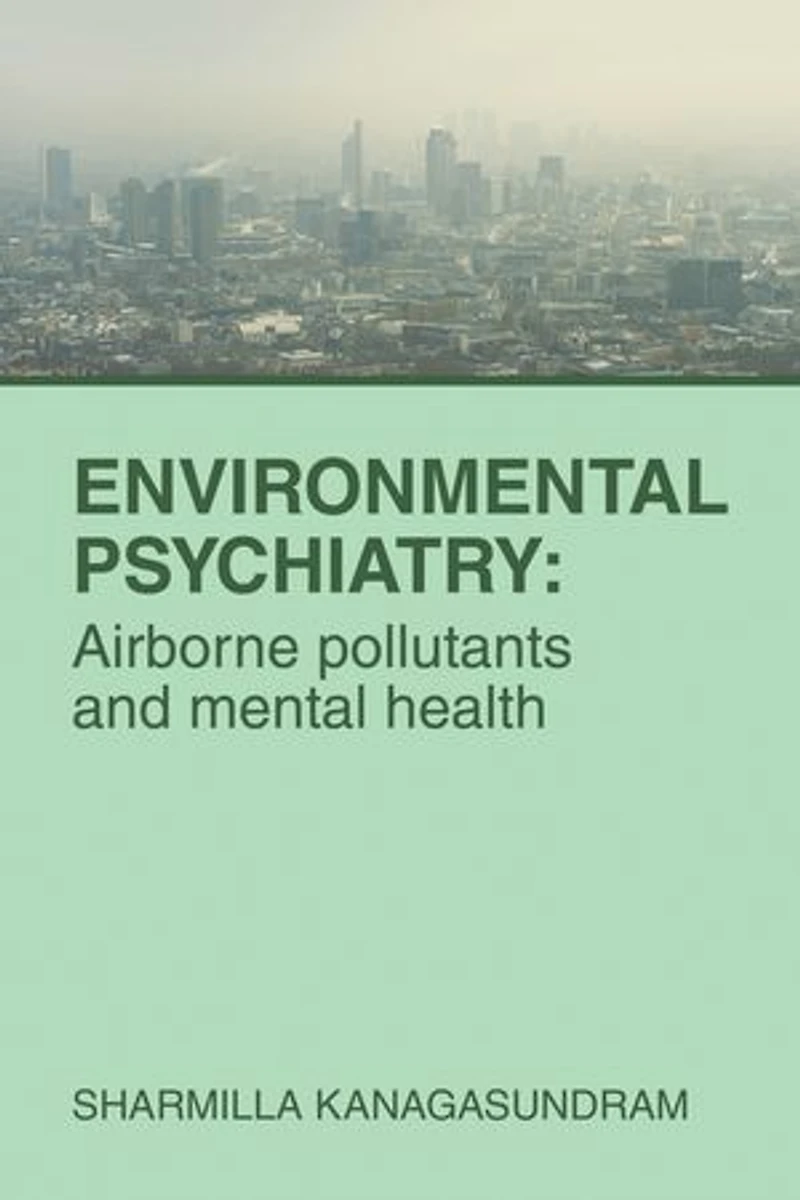
ENVIRONMENTAL PSYCHIATRY: Airborne pollutants and mental health
Current price: $5.39
Original price: $5.99

ENVIRONMENTAL PSYCHIATRY: Airborne pollutants and mental health
Current price: $5.39
Original price: $5.99
Loading Inventory...
Size: Kobo eBook
*Product information may vary - to confirm product availability, pricing, shipping and return information please contact Indigo
This book is composed of two separate reviews: The first review merges the extended evidence on the effects of air pollutants on mental health. The second review is based on interventions to decrease air pollution. Six common pollutants were identified. The common airborne pollutants are particulate matter (Pm), nitrogen dioxide (NO2), sulphur dioxide(SO2), carbon monoxide (CO), ozone (O3), and volatile organic compounds (VOCs). Particulate matter has been identified as a common air pollutant that increases the risk of mental illness. The most common air pollutant found to increase the risk of depression and anxiety was Pm 2.5. The exposure concentration levels of Pm 2.5 which were reported to increase the risk of depression ranged from 9.8 g/m3 to 74.3 g/m3, with a median of 26.6 g/m3 and the exposure concentration levels reported to increase the risk of anxiety ranged from 11.1 g/m3 to 24.8 g/m3, with a median of 16.5 g/m3. Air pollutants are not the sole factor responsible for mental illness. however, when taken together with other risk factors such as genetics, lifestyle, socioeconomic status, and access to mental healthcare, air pollutants can be regarded as a significant contributing factor to mental illness.
This book is composed of two separate reviews: The first review merges the extended evidence on the effects of air pollutants on mental health. The second review is based on interventions to decrease air pollution. Six common pollutants were identified. The common airborne pollutants are particulate matter (Pm), nitrogen dioxide (NO2), sulphur dioxide(SO2), carbon monoxide (CO), ozone (O3), and volatile organic compounds (VOCs). Particulate matter has been identified as a common air pollutant that increases the risk of mental illness. The most common air pollutant found to increase the risk of depression and anxiety was Pm 2.5. The exposure concentration levels of Pm 2.5 which were reported to increase the risk of depression ranged from 9.8 g/m3 to 74.3 g/m3, with a median of 26.6 g/m3 and the exposure concentration levels reported to increase the risk of anxiety ranged from 11.1 g/m3 to 24.8 g/m3, with a median of 16.5 g/m3. Air pollutants are not the sole factor responsible for mental illness. however, when taken together with other risk factors such as genetics, lifestyle, socioeconomic status, and access to mental healthcare, air pollutants can be regarded as a significant contributing factor to mental illness.
You May Also Like











More About Indigo at Erin Mills Town Centre
The largest book retailer in Canada also offers toys, music, home décor, gifts and lifestyle products. What's Inside...Books, Magazines, CD’s and DVD’s, Toys and Gifts, Home Accents, Electronics, Baby’s and Children’s Section, Bath and Body, Kitchen and Bedroom, Stationary Located outside in the exterior plaza.
5015 Glen Erin Dr, Mississauga, ON L5M 0R7, Canada
Find Indigo at Erin Mills Town Centre in Mississauga ON
Visit Indigo at Erin Mills Town Centre in Mississauga ON