

GIVE THE PERFECT GIFT
Erin Mills Town Centre Gift Cards are the perfect choice for your gift giving needs.Purchase gift cards at kiosks near the food court or centre court, at Guest Services, or click below to purchase online.PURCHASE HEREHome
Epigenetic Risks of Cloning
Indigo
Loading Inventory...
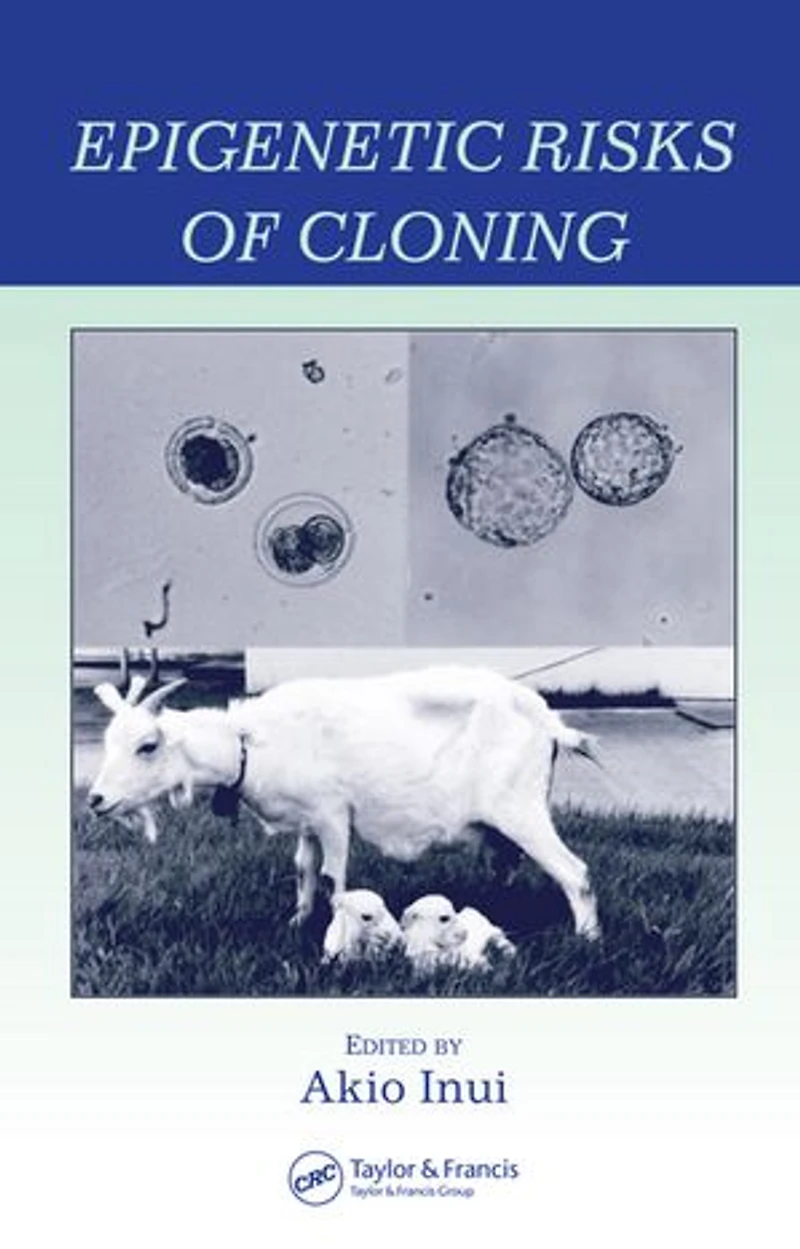
Epigenetic Risks of Cloning
Current price: $413.95

Epigenetic Risks of Cloning
Current price: $413.95
Loading Inventory...
Size: Kobo eBook
*Product information may vary - to confirm product availability, pricing, shipping and return information please contact Indigo
Cloning has the potential to be an extremely valuable tool across many fields. In agriculture, the reproductive cloning of farm animals could prove to be advantageous. In clinical medicine, the employment of therapeutic cloning for cell, tissue, and organ replacement appears to be imminent. In Epigenetic Risks of Cloning, 32 leading researchers detail the cloning methods being employed with various animal models, providing both a review of current findings and a discussion of potential concerns. Less than four percent of reconstructed embryos typically develop to adulthood, the cumulative result of inefficiencies occurring at every stage of development. This book considers the very real consequences of those inefficiencies: high rates of fetal, perinatal, and neonatal loss, as well as the production of abnormal offspring. At present, there is a legitimate concern that the propensity for epigenetic errors could be paralleled in human embryos.
Cloning has the potential to be an extremely valuable tool across many fields. In agriculture, the reproductive cloning of farm animals could prove to be advantageous. In clinical medicine, the employment of therapeutic cloning for cell, tissue, and organ replacement appears to be imminent. In Epigenetic Risks of Cloning, 32 leading researchers detail the cloning methods being employed with various animal models, providing both a review of current findings and a discussion of potential concerns. Less than four percent of reconstructed embryos typically develop to adulthood, the cumulative result of inefficiencies occurring at every stage of development. This book considers the very real consequences of those inefficiencies: high rates of fetal, perinatal, and neonatal loss, as well as the production of abnormal offspring. At present, there is a legitimate concern that the propensity for epigenetic errors could be paralleled in human embryos.
You May Also Like








More About Indigo at Erin Mills Town Centre
The largest book retailer in Canada also offers toys, music, home décor, gifts and lifestyle products. What's Inside...Books, Magazines, CD’s and DVD’s, Toys and Gifts, Home Accents, Electronics, Baby’s and Children’s Section, Bath and Body, Kitchen and Bedroom, Stationary Located outside in the exterior plaza.
5015 Glen Erin Dr, Mississauga, ON L5M 0R7, Canada
Find Indigo at Erin Mills Town Centre in Mississauga ON
Visit Indigo at Erin Mills Town Centre in Mississauga ON