

GIVE THE PERFECT GIFT
Erin Mills Town Centre Gift Cards are the perfect choice for your gift giving needs.Purchase gift cards at kiosks near the food court or centre court, at Guest Services, or click below to purchase online.PURCHASE HEREHome
Epistemic Friction: An Essay on Knowledge, Truth, and Logic
Indigo
Loading Inventory...
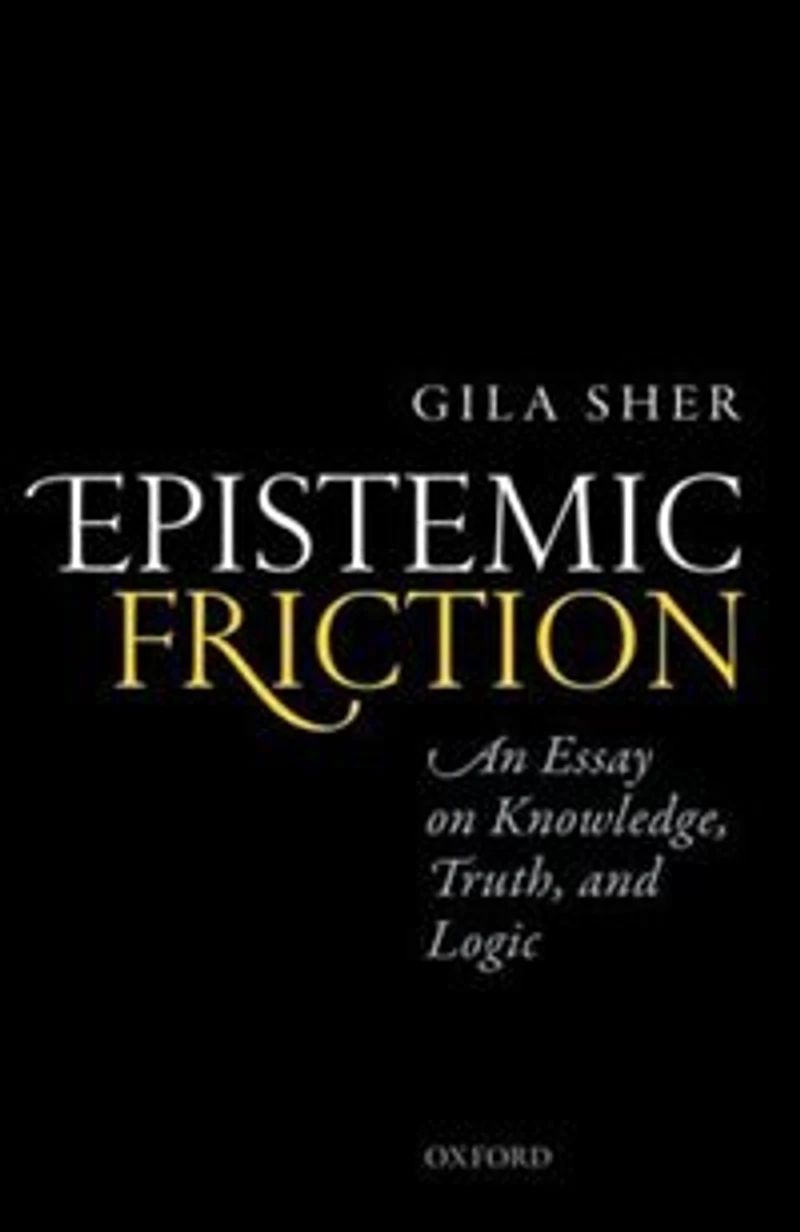
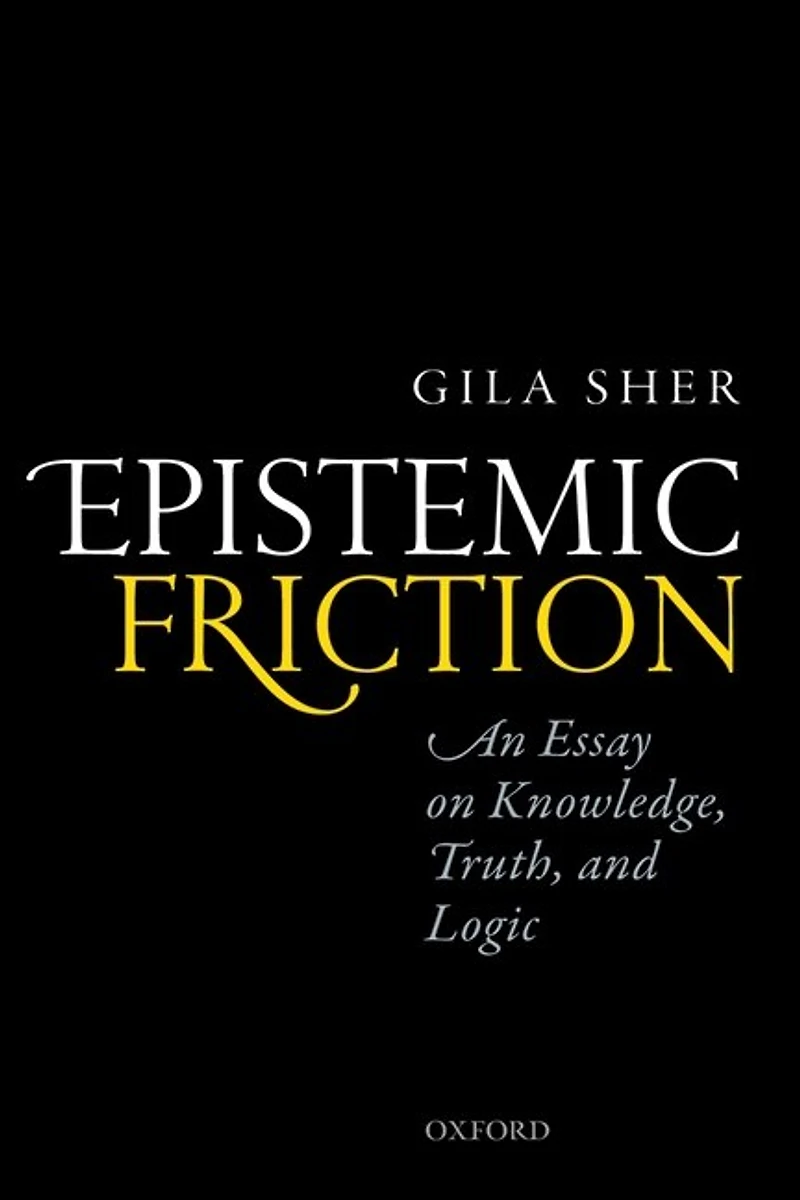
Epistemic Friction: An Essay on Knowledge, Truth, and Logic
Current price: $63.00

Epistemic Friction: An Essay on Knowledge, Truth, and Logic
Current price: $63.00
Loading Inventory...
Size: Hardcover
*Product information may vary - to confirm product availability, pricing, shipping and return information please contact Indigo
Gila Sher approaches knowledge from the perspective of the basic human epistemic situation - the situation of limited yet resourceful beings, living in a complex world and aspiring to know it in its full complexity. What principles should guide them? Two fundamental principles of knowledge are epistemic friction and freedom. Knowledge must be substantially constrained by the world (friction), but without active participation of the knower in accessing the world (freedom) theoretical knowledge is impossible. This requires a grounding of all knowledge, empirical and abstract, in both mind and world, but the fall of traditional foundationalism has led many to doubt the viability of this 'classical' project.
The book challenges this skepticism, charting a new foundational methodology, foundational holism, that differs from others in being holistic, world-oriented, and universal (i.e., applicable to all fields of knowledge). Using this methodology, Epistemic Friction develops an integrated theory of knowledge, truth, and logic. This includes (i) a dynamic model of knowledge, incorporating some of Quine's revolutionary ideas while rejecting his narrow empiricism, (ii) a substantivist, non-traditional correspondence theory of truth, and (iii) an outline of a joint grounding of logic in mind and world. The model of knowledge subjects all disciplines to robust norms of both veridicality and conceptualization. The correspondence theory is at once robust, universal, and flexible, allowing multiple patterns of correspondence, including complex and indirect patterns. Logic's systematic grounding brings it in line with other disciplines without neglecting its strong necessity, generality, and normativity, which are explained by its semantic formality.
Gila Sher approaches knowledge from the perspective of the basic human epistemic situation - the situation of limited yet resourceful beings, living in a complex world and aspiring to know it in its full complexity. What principles should guide them? Two fundamental principles of knowledge are epistemic friction and freedom. Knowledge must be substantially constrained by the world (friction), but without active participation of the knower in accessing the world (freedom) theoretical knowledge is impossible. This requires a grounding of all knowledge, empirical and abstract, in both mind and world, but the fall of traditional foundationalism has led many to doubt the viability of this 'classical' project.
The book challenges this skepticism, charting a new foundational methodology, foundational holism, that differs from others in being holistic, world-oriented, and universal (i.e., applicable to all fields of knowledge). Using this methodology, Epistemic Friction develops an integrated theory of knowledge, truth, and logic. This includes (i) a dynamic model of knowledge, incorporating some of Quine's revolutionary ideas while rejecting his narrow empiricism, (ii) a substantivist, non-traditional correspondence theory of truth, and (iii) an outline of a joint grounding of logic in mind and world. The model of knowledge subjects all disciplines to robust norms of both veridicality and conceptualization. The correspondence theory is at once robust, universal, and flexible, allowing multiple patterns of correspondence, including complex and indirect patterns. Logic's systematic grounding brings it in line with other disciplines without neglecting its strong necessity, generality, and normativity, which are explained by its semantic formality.
You May Also Like








More About Indigo at Erin Mills Town Centre
The largest book retailer in Canada also offers toys, music, home décor, gifts and lifestyle products. What's Inside...Books, Magazines, CD’s and DVD’s, Toys and Gifts, Home Accents, Electronics, Baby’s and Children’s Section, Bath and Body, Kitchen and Bedroom, Stationary Located outside in the exterior plaza.
5015 Glen Erin Dr, Mississauga, ON L5M 0R7, Canada
Find Indigo at Erin Mills Town Centre in Mississauga ON
Visit Indigo at Erin Mills Town Centre in Mississauga ON