

GIVE THE PERFECT GIFT
Erin Mills Town Centre Gift Cards are the perfect choice for your gift giving needs.Purchase gift cards at kiosks near the food court or centre court, at Guest Services, or click below to purchase online.PURCHASE HEREHome
Ernst Papanek and Jewish Refugee Children: Genocide and Displacement
Indigo
Loading Inventory...
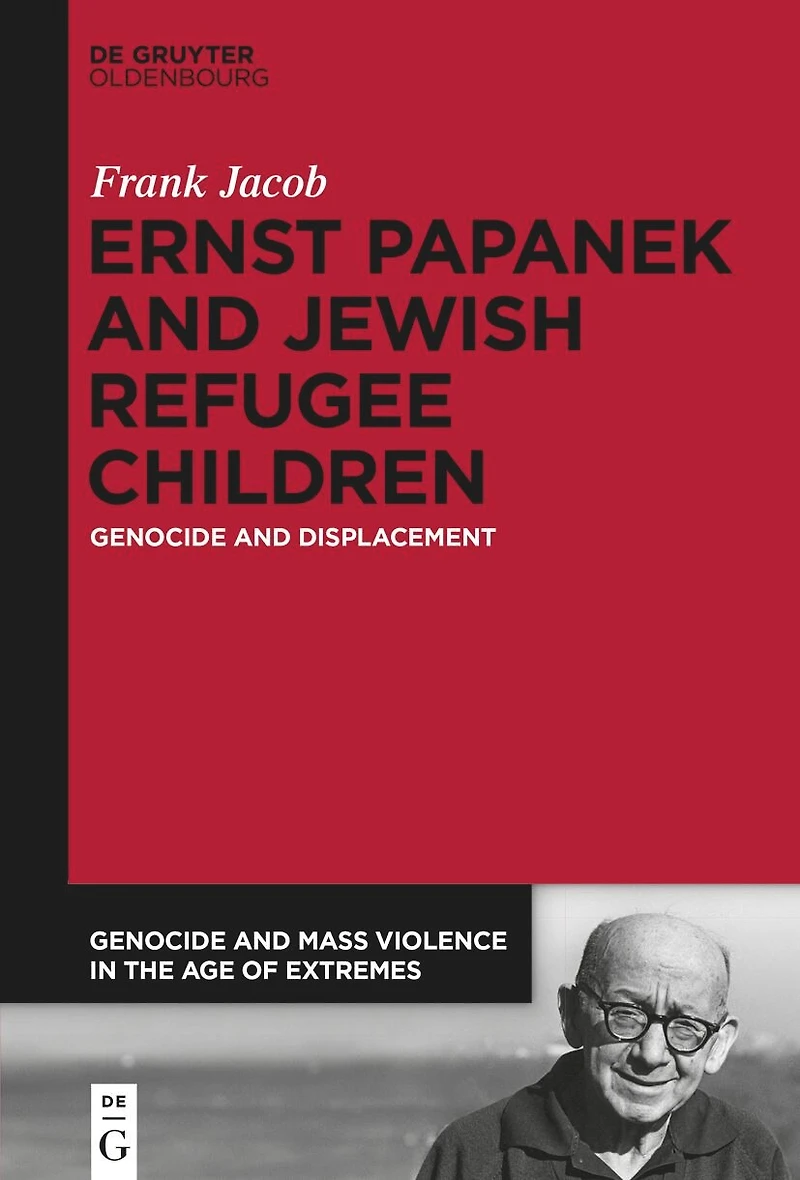
Ernst Papanek and Jewish Refugee Children: Genocide and Displacement
Current price: $114.94

Ernst Papanek and Jewish Refugee Children: Genocide and Displacement
Current price: $114.94
Loading Inventory...
Size: Hardcover
*Product information may vary - to confirm product availability, pricing, shipping and return information please contact Indigo
Ernst Papanek was an Austrian pedagogue who worked with Jewish refugee children in France in 1939/40, before he was forced to leave to the United States. There, he nevertheless continued his work to point out the impact of war, genocide and displacement on children, who were often forgotten in major discussions about the war and the losses it had created. This volume provides a short biographical outline of Papanek and a theoretical discussion about the impact of war and genocide on children who are forced out of their lives and who were not only physically displaced as a consequence. The second part of the book assembles some of Papanek's important texts about the children he had worked with and for, to make his thoughts and important considerations accessible for a broader academic and non-academic public alike.
Ernst Papanek was an Austrian pedagogue who worked with Jewish refugee children in France in 1939/40, before he was forced to leave to the United States. There, he nevertheless continued his work to point out the impact of war, genocide and displacement on children, who were often forgotten in major discussions about the war and the losses it had created. This volume provides a short biographical outline of Papanek and a theoretical discussion about the impact of war and genocide on children who are forced out of their lives and who were not only physically displaced as a consequence. The second part of the book assembles some of Papanek's important texts about the children he had worked with and for, to make his thoughts and important considerations accessible for a broader academic and non-academic public alike.
You May Also Like









More About Indigo at Erin Mills Town Centre
The largest book retailer in Canada also offers toys, music, home décor, gifts and lifestyle products. What's Inside...Books, Magazines, CD’s and DVD’s, Toys and Gifts, Home Accents, Electronics, Baby’s and Children’s Section, Bath and Body, Kitchen and Bedroom, Stationary Located outside in the exterior plaza.
5015 Glen Erin Dr, Mississauga, ON L5M 0R7, Canada
Find Indigo at Erin Mills Town Centre in Mississauga ON
Visit Indigo at Erin Mills Town Centre in Mississauga ON