

GIVE THE PERFECT GIFT
Erin Mills Town Centre Gift Cards are the perfect choice for your gift giving needs.Purchase gift cards at kiosks near the food court or centre court, at Guest Services, or click below to purchase online.PURCHASE HEREHome
Eternal Hope
Indigo
Loading Inventory...

Eternal Hope
Current price: $38.10

Eternal Hope
Current price: $38.10
Loading Inventory...
Size: Kobo eBook
*Product information may vary - to confirm product availability, pricing, shipping and return information please contact Indigo
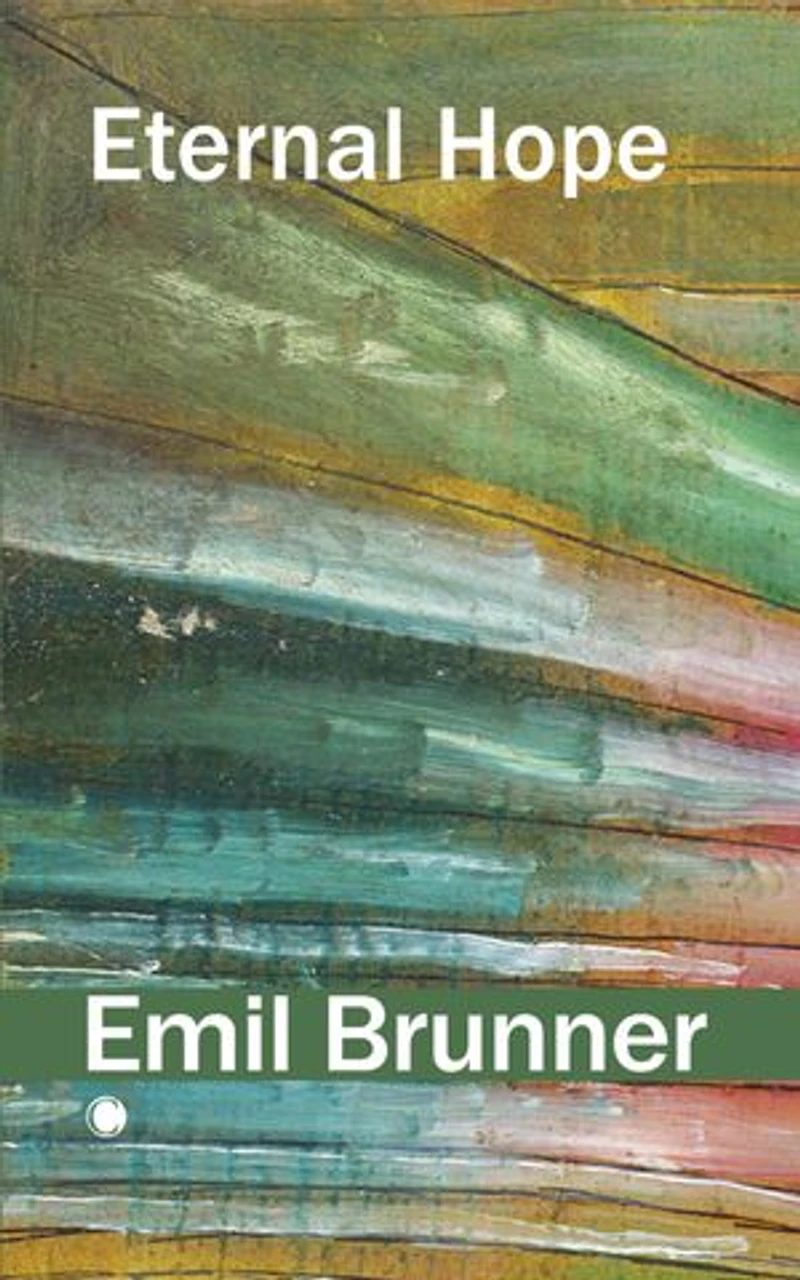
Describing his objective in writing Eternal Hope, Emil Brunner boldly claimed that 'a church that has nothing to teach concerning the future and the life of the world to come is bankrupt'. Half a century later, such a challenge might still be levied. Against this backdrop, Brunner offers a way forward that is conscious never to stray far from scripture, yet nevertheless pastorally sensitive. Indeed, one of the central tenets of his approach is that the Gospel offers no comfort to the individual that is not at the same time a promise for the future of humanity as a whole. He proceeds systematically through the promises and mysteries that the Christian faith holds surrounding death, while holding the hope of eternity as a constant goal. A precursor to his more rigorous Dogmatics, and partly in preparation for the second assembly of the World Council of Churches in 1954, Eternal Hope was also written just a year after the tragic death of Brunner's son. It is therefore no surprise that he combines the vulnerability of his personal encounter with death, and a theological outlook that has universal implications.
Describing his objective in writing Eternal Hope, Emil Brunner boldly claimed that 'a church that has nothing to teach concerning the future and the life of the world to come is bankrupt'. Half a century later, such a challenge might still be levied. Against this backdrop, Brunner offers a way forward that is conscious never to stray far from scripture, yet nevertheless pastorally sensitive. Indeed, one of the central tenets of his approach is that the Gospel offers no comfort to the individual that is not at the same time a promise for the future of humanity as a whole. He proceeds systematically through the promises and mysteries that the Christian faith holds surrounding death, while holding the hope of eternity as a constant goal. A precursor to his more rigorous Dogmatics, and partly in preparation for the second assembly of the World Council of Churches in 1954, Eternal Hope was also written just a year after the tragic death of Brunner's son. It is therefore no surprise that he combines the vulnerability of his personal encounter with death, and a theological outlook that has universal implications.
You May Also Like









More About Indigo at Erin Mills Town Centre
The largest book retailer in Canada also offers toys, music, home décor, gifts and lifestyle products. What's Inside...Books, Magazines, CD’s and DVD’s, Toys and Gifts, Home Accents, Electronics, Baby’s and Children’s Section, Bath and Body, Kitchen and Bedroom, Stationary Located outside in the exterior plaza.
5015 Glen Erin Dr, Mississauga, ON L5M 0R7, Canada
Find Indigo at Erin Mills Town Centre in Mississauga ON
Visit Indigo at Erin Mills Town Centre in Mississauga ON