

GIVE THE PERFECT GIFT
Erin Mills Town Centre Gift Cards are the perfect choice for your gift giving needs.Purchase gift cards at kiosks near the food court or centre court, at Guest Services, or click below to purchase online.PURCHASE HEREHome
Ethical Choices in Contemporary Medicine: Integrative Bioethics
Indigo
Loading Inventory...
Ethical Choices in Contemporary Medicine: Integrative Bioethics
Current price: $75.99

Ethical Choices in Contemporary Medicine: Integrative Bioethics
Current price: $75.99
Loading Inventory...
Size: Kobo eBook
*Product information may vary - to confirm product availability, pricing, shipping and return information please contact Indigo
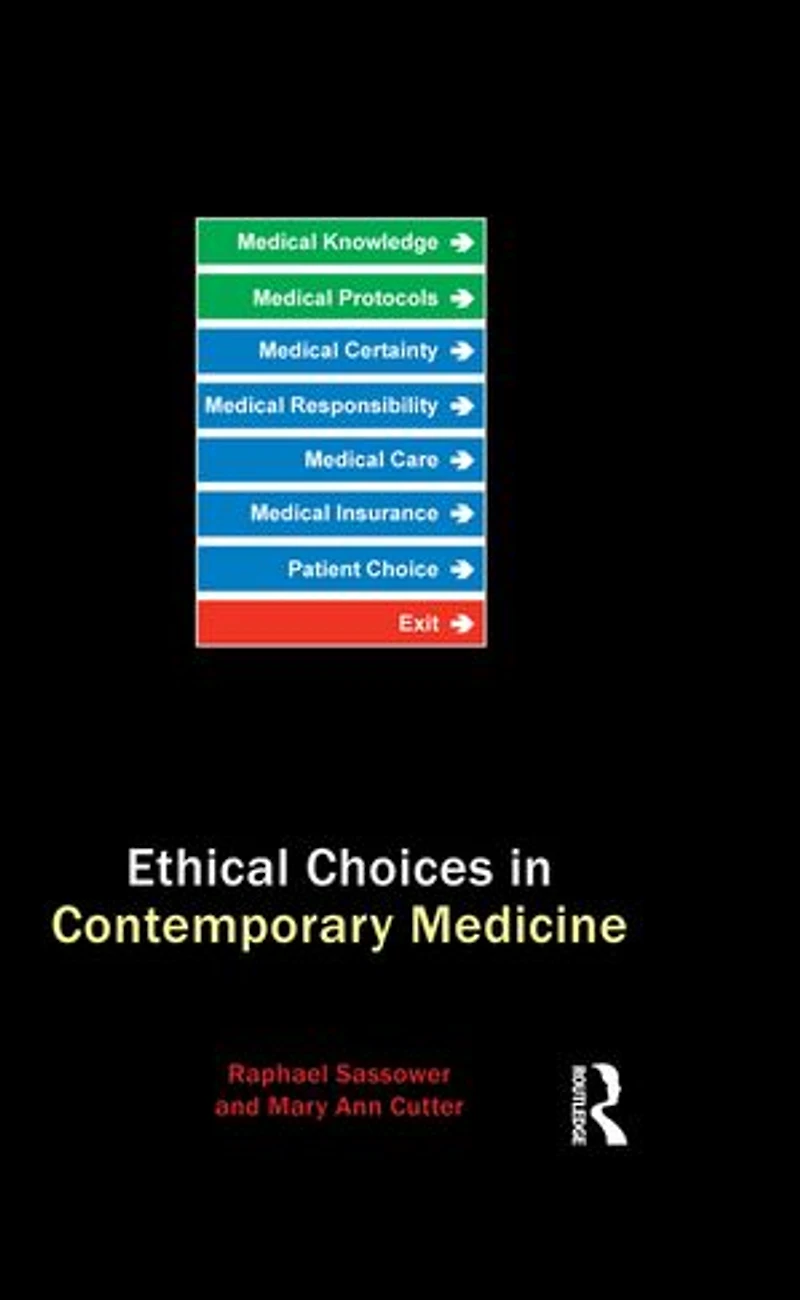
"Ethical Choices in Contemporary Medicine" jettisons the standard medical ethics models of "rights" language and shows how the bioethical problems that receive attention from the media and the public are related to and are explicable in terms of the epistemological foundations of science and medicine. These epistemological concerns include how medical knowledge is established (scientific validity), how medical protocols are administered (checks and balances), how medical certainty is evaluated (probability) and medical responsibility is framed (personal or collective), and how medical knowledge is transmitted (popular media versus professional journals) and how medical care is allocated (insurance policies and government subsides). The book examines the present predicaments of medicine within a broad cultural context and suggests that rational discourse and parochial ethical dialogue may be futile in the face of competing and incommensurable frameworks and agendas, attitudes and wishes. The authors show that, in the postmodern age, two interrelated issues surface when it comes to medicine. On the one hand, there is a strong critique of science and the privileges associated with the scientific discourse and, on the other, there is still a deep-seated quest for certainty in all medical matters.
"Ethical Choices in Contemporary Medicine" jettisons the standard medical ethics models of "rights" language and shows how the bioethical problems that receive attention from the media and the public are related to and are explicable in terms of the epistemological foundations of science and medicine. These epistemological concerns include how medical knowledge is established (scientific validity), how medical protocols are administered (checks and balances), how medical certainty is evaluated (probability) and medical responsibility is framed (personal or collective), and how medical knowledge is transmitted (popular media versus professional journals) and how medical care is allocated (insurance policies and government subsides). The book examines the present predicaments of medicine within a broad cultural context and suggests that rational discourse and parochial ethical dialogue may be futile in the face of competing and incommensurable frameworks and agendas, attitudes and wishes. The authors show that, in the postmodern age, two interrelated issues surface when it comes to medicine. On the one hand, there is a strong critique of science and the privileges associated with the scientific discourse and, on the other, there is still a deep-seated quest for certainty in all medical matters.
You May Also Like








More About Indigo at Erin Mills Town Centre
The largest book retailer in Canada also offers toys, music, home décor, gifts and lifestyle products. What's Inside...Books, Magazines, CD’s and DVD’s, Toys and Gifts, Home Accents, Electronics, Baby’s and Children’s Section, Bath and Body, Kitchen and Bedroom, Stationary Located outside in the exterior plaza.
5015 Glen Erin Dr, Mississauga, ON L5M 0R7, Canada
Find Indigo at Erin Mills Town Centre in Mississauga ON
Visit Indigo at Erin Mills Town Centre in Mississauga ON