

GIVE THE PERFECT GIFT
Erin Mills Town Centre Gift Cards are the perfect choice for your gift giving needs.Purchase gift cards at kiosks near the food court or centre court, at Guest Services, or click below to purchase online.PURCHASE HEREHome
Ethics and Integrity Visual Research Methods
Indigo
Loading Inventory...
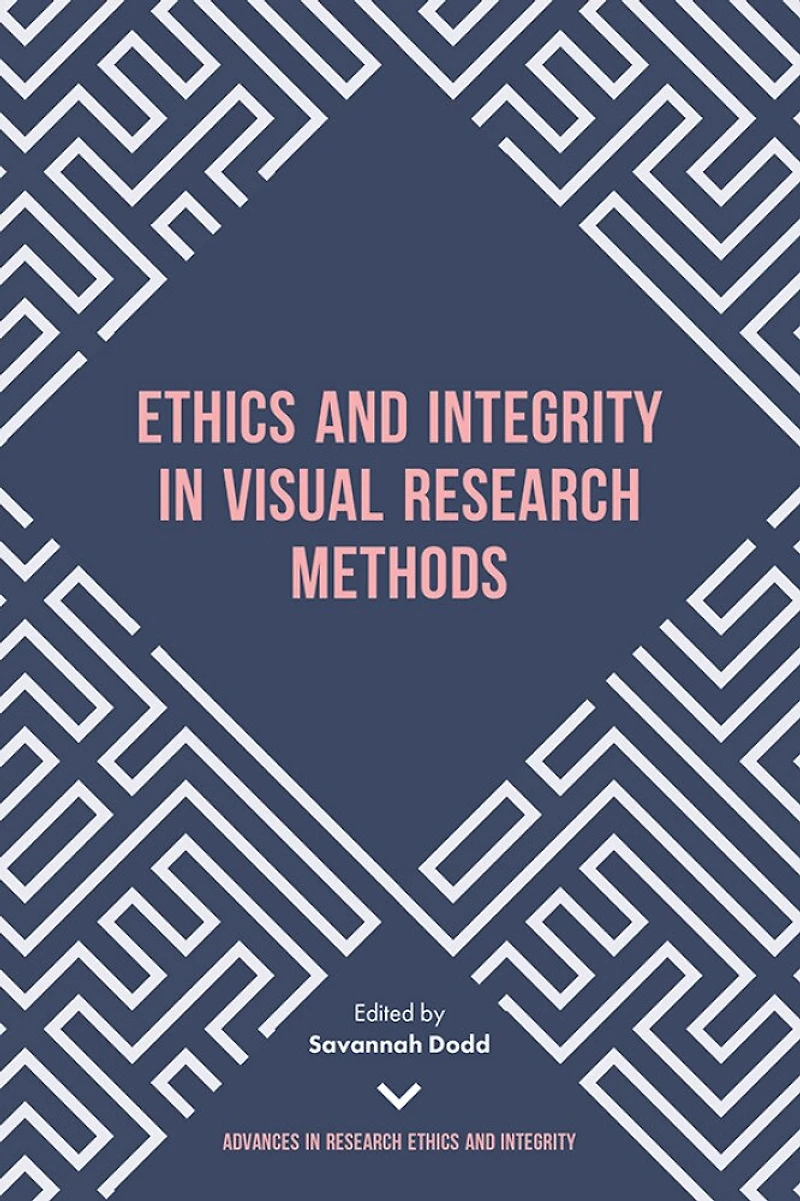
Ethics and Integrity Visual Research Methods
Current price: $151.99

Ethics and Integrity Visual Research Methods
Current price: $151.99
Loading Inventory...
Size: Hardcover
*Product information may vary - to confirm product availability, pricing, shipping and return information please contact Indigo
Ethics and Integrity in Visual Research Methods aims to unpack the multiple considerations for ethics and integrity that accompany research methods involving visual data generation and analysis. This volume focuses on the media of photography and film. Contributing authors cover a variety of topics, including: consent and dignity when working with vulnerable and marginalized populations; the limitations of participatory methods within a context of inequity and postcolonialism; the challenges of anonymising visual data; and the risks of sharing visual data online. The authors share their experiences of working with visual methods across a range of contexts, making recommendations for best practice. This volume is intended to be practical, and the key messages aim to be concrete and applicable for anyone embarking on visual methods research.
Ethics and Integrity in Visual Research Methods aims to unpack the multiple considerations for ethics and integrity that accompany research methods involving visual data generation and analysis. This volume focuses on the media of photography and film. Contributing authors cover a variety of topics, including: consent and dignity when working with vulnerable and marginalized populations; the limitations of participatory methods within a context of inequity and postcolonialism; the challenges of anonymising visual data; and the risks of sharing visual data online. The authors share their experiences of working with visual methods across a range of contexts, making recommendations for best practice. This volume is intended to be practical, and the key messages aim to be concrete and applicable for anyone embarking on visual methods research.
You May Also Like








More About Indigo at Erin Mills Town Centre
The largest book retailer in Canada also offers toys, music, home décor, gifts and lifestyle products. What's Inside...Books, Magazines, CD’s and DVD’s, Toys and Gifts, Home Accents, Electronics, Baby’s and Children’s Section, Bath and Body, Kitchen and Bedroom, Stationary Located outside in the exterior plaza.
5015 Glen Erin Dr, Mississauga, ON L5M 0R7, Canada
Find Indigo at Erin Mills Town Centre in Mississauga ON
Visit Indigo at Erin Mills Town Centre in Mississauga ON