

GIVE THE PERFECT GIFT
Erin Mills Town Centre Gift Cards are the perfect choice for your gift giving needs.Purchase gift cards at kiosks near the food court or centre court, at Guest Services, or click below to purchase online.PURCHASE HEREHome
Ethics as Humanistic Inquiry
Indigo
Loading Inventory...
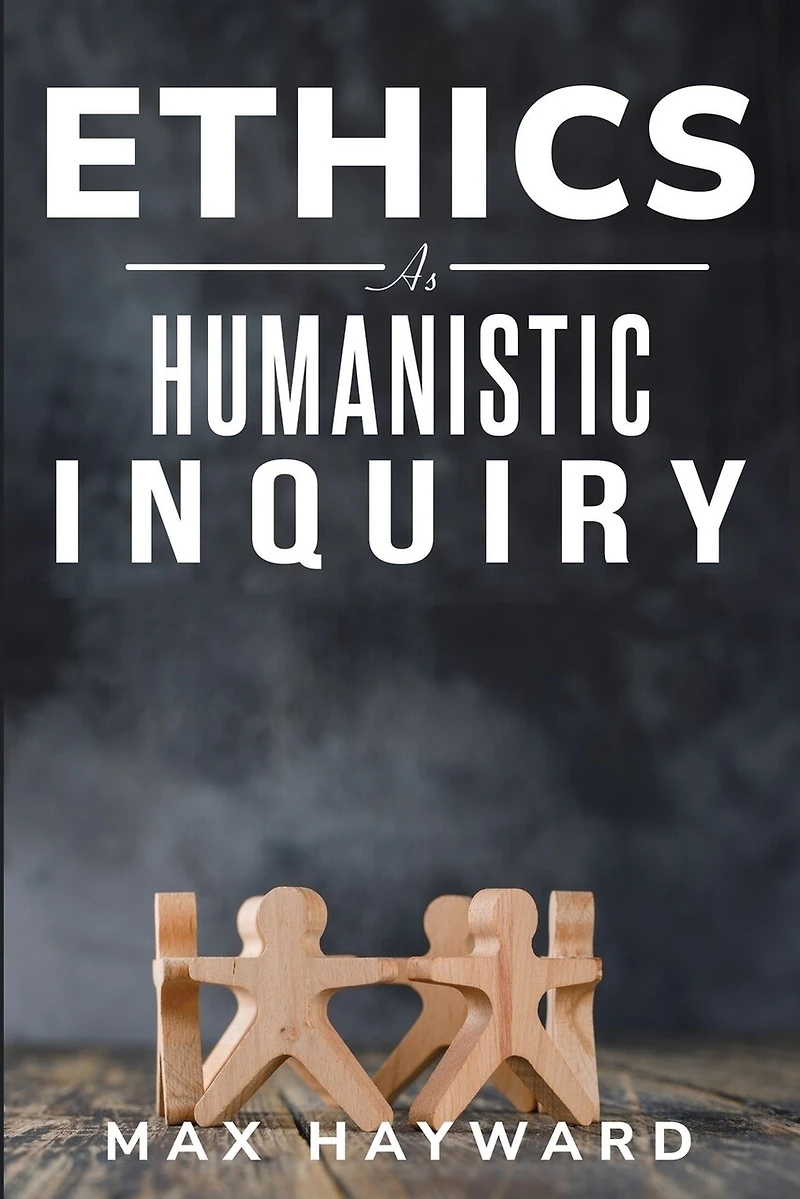
Ethics as Humanistic Inquiry
Current price: $59.99

Ethics as Humanistic Inquiry
Current price: $59.99
Loading Inventory...
Size: Paperback
*Product information may vary - to confirm product availability, pricing, shipping and return information please contact Indigo
This dissertation argues that ethics is fundamentally mind-dependent. Ethics is invented by humans, to solve the problems that mutually sympathetic agents find in living together. Ethical discovery is the discovery of solutions to the kinds of problems that humans find themselves to face. Views of this kind are familiar, but I attempt to re-orient the debate. Many philosophers see questions about the foundations of ethics as fundamentally theoretical, arguing for one view or another on metaphysical or linguistic grounds. I argue that the question of which metaethical view we adopt is a substantive, first-order moral question. And, contrary to many, I think that first-order considerations speak in favour of a variety of anti-realism. We should reject the search for non-natural, mind-independent, objective moral truths as morally objectionable: it denigrates interpersonal concern, making the significance of moral and practical life dependent upon abstractions remote from what we care about and ought to care about. By contrast, seeing norms of morality and practical rationality as collectively created by processes of interpersonal sympathy shows why they matter, and explains the goals and methods of moral inquiry.
This dissertation argues that ethics is fundamentally mind-dependent. Ethics is invented by humans, to solve the problems that mutually sympathetic agents find in living together. Ethical discovery is the discovery of solutions to the kinds of problems that humans find themselves to face. Views of this kind are familiar, but I attempt to re-orient the debate. Many philosophers see questions about the foundations of ethics as fundamentally theoretical, arguing for one view or another on metaphysical or linguistic grounds. I argue that the question of which metaethical view we adopt is a substantive, first-order moral question. And, contrary to many, I think that first-order considerations speak in favour of a variety of anti-realism. We should reject the search for non-natural, mind-independent, objective moral truths as morally objectionable: it denigrates interpersonal concern, making the significance of moral and practical life dependent upon abstractions remote from what we care about and ought to care about. By contrast, seeing norms of morality and practical rationality as collectively created by processes of interpersonal sympathy shows why they matter, and explains the goals and methods of moral inquiry.
You May Also Like











More About Indigo at Erin Mills Town Centre
The largest book retailer in Canada also offers toys, music, home décor, gifts and lifestyle products. What's Inside...Books, Magazines, CD’s and DVD’s, Toys and Gifts, Home Accents, Electronics, Baby’s and Children’s Section, Bath and Body, Kitchen and Bedroom, Stationary Located outside in the exterior plaza.
5015 Glen Erin Dr, Mississauga, ON L5M 0R7, Canada
Find Indigo at Erin Mills Town Centre in Mississauga ON
Visit Indigo at Erin Mills Town Centre in Mississauga ON