

GIVE THE PERFECT GIFT
Erin Mills Town Centre Gift Cards are the perfect choice for your gift giving needs.Purchase gift cards at kiosks near the food court or centre court, at Guest Services, or click below to purchase online.PURCHASE HEREHome
Ethiopian Imperial Expansion From The 13th To The 16th Century
Indigo
Loading Inventory...
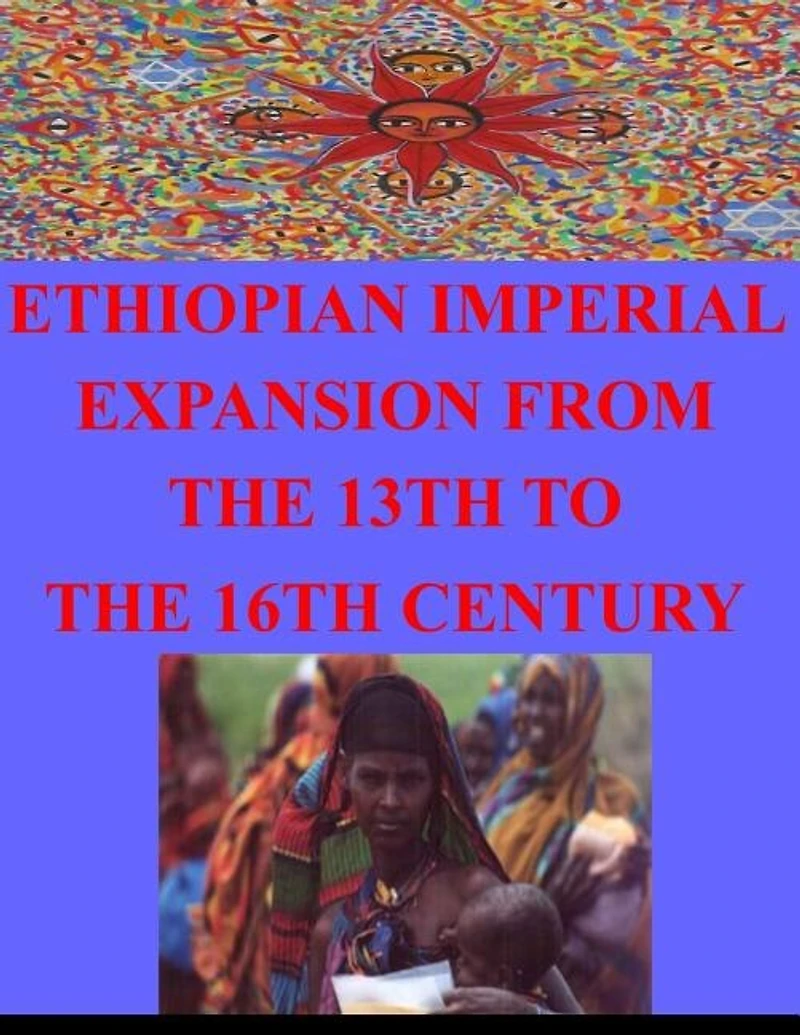
Ethiopian Imperial Expansion From The 13th To The 16th Century
Current price: $15.95

Ethiopian Imperial Expansion From The 13th To The 16th Century
Current price: $15.95
Loading Inventory...
Size: Paperback
*Product information may vary - to confirm product availability, pricing, shipping and return information please contact Indigo
J.S. Trimingham has famously described Ethiopia as a "beleaguered fortress inthe midst of a sea of Islam," implying Christians in Ethiopia have consistently been besieged by Muslims, not vice versa. This thesis challenges this common conception by demonstrating that throughout Ethiopia's medieval period (1270-1555), the time of greatest conflict between the Ethiopian Empire and its Muslim neighbors, Muslim forces did not besiege the Ethiopian Empire. On the contrary, the Ethiopians militarily subjugated their neighboring Muslim sultanates, most prominently Ifat and Adal, and politically divided the sultanates' ruling families to keep them weak. These tactics, designed to wrest control of trade from the sultanates, were resoundingly successful untilMuslims unified around military/religious leaders, primary among them being Imam Gran, who in 1531 conquered the Ethiopian Empire. Though Imperial forces reversed the conquest by 1543, a historical focus on this event still feeds the misperception that Ethiopia's history is that of a Christian kingdom ensconced in a fortress to protect itself from a beleaguering "Muslim menace." This thesis concludes to the contrary that the Ethiopian Empire waded aggressively and purposefully into the sea of Islam to beleaguer its many Muslim neighbors.
J.S. Trimingham has famously described Ethiopia as a "beleaguered fortress inthe midst of a sea of Islam," implying Christians in Ethiopia have consistently been besieged by Muslims, not vice versa. This thesis challenges this common conception by demonstrating that throughout Ethiopia's medieval period (1270-1555), the time of greatest conflict between the Ethiopian Empire and its Muslim neighbors, Muslim forces did not besiege the Ethiopian Empire. On the contrary, the Ethiopians militarily subjugated their neighboring Muslim sultanates, most prominently Ifat and Adal, and politically divided the sultanates' ruling families to keep them weak. These tactics, designed to wrest control of trade from the sultanates, were resoundingly successful untilMuslims unified around military/religious leaders, primary among them being Imam Gran, who in 1531 conquered the Ethiopian Empire. Though Imperial forces reversed the conquest by 1543, a historical focus on this event still feeds the misperception that Ethiopia's history is that of a Christian kingdom ensconced in a fortress to protect itself from a beleaguering "Muslim menace." This thesis concludes to the contrary that the Ethiopian Empire waded aggressively and purposefully into the sea of Islam to beleaguer its many Muslim neighbors.
You May Also Like













More About Indigo at Erin Mills Town Centre
The largest book retailer in Canada also offers toys, music, home décor, gifts and lifestyle products. What's Inside...Books, Magazines, CD’s and DVD’s, Toys and Gifts, Home Accents, Electronics, Baby’s and Children’s Section, Bath and Body, Kitchen and Bedroom, Stationary Located outside in the exterior plaza.
5015 Glen Erin Dr, Mississauga, ON L5M 0R7, Canada
Find Indigo at Erin Mills Town Centre in Mississauga ON
Visit Indigo at Erin Mills Town Centre in Mississauga ON