

GIVE THE PERFECT GIFT
Erin Mills Town Centre Gift Cards are the perfect choice for your gift giving needs.Purchase gift cards at kiosks near the food court or centre court, at Guest Services, or click below to purchase online.PURCHASE HEREHome
Ethnoreligiosity The Contemporary Societies of Former Yugoslavia: Veils Christian Delusion
Indigo
Loading Inventory...
Ethnoreligiosity The Contemporary Societies of Former Yugoslavia: Veils Christian Delusion
Current price: $189.95

Ethnoreligiosity The Contemporary Societies of Former Yugoslavia: Veils Christian Delusion
Current price: $189.95
Loading Inventory...
Size: Hardcover
*Product information may vary - to confirm product availability, pricing, shipping and return information please contact Indigo
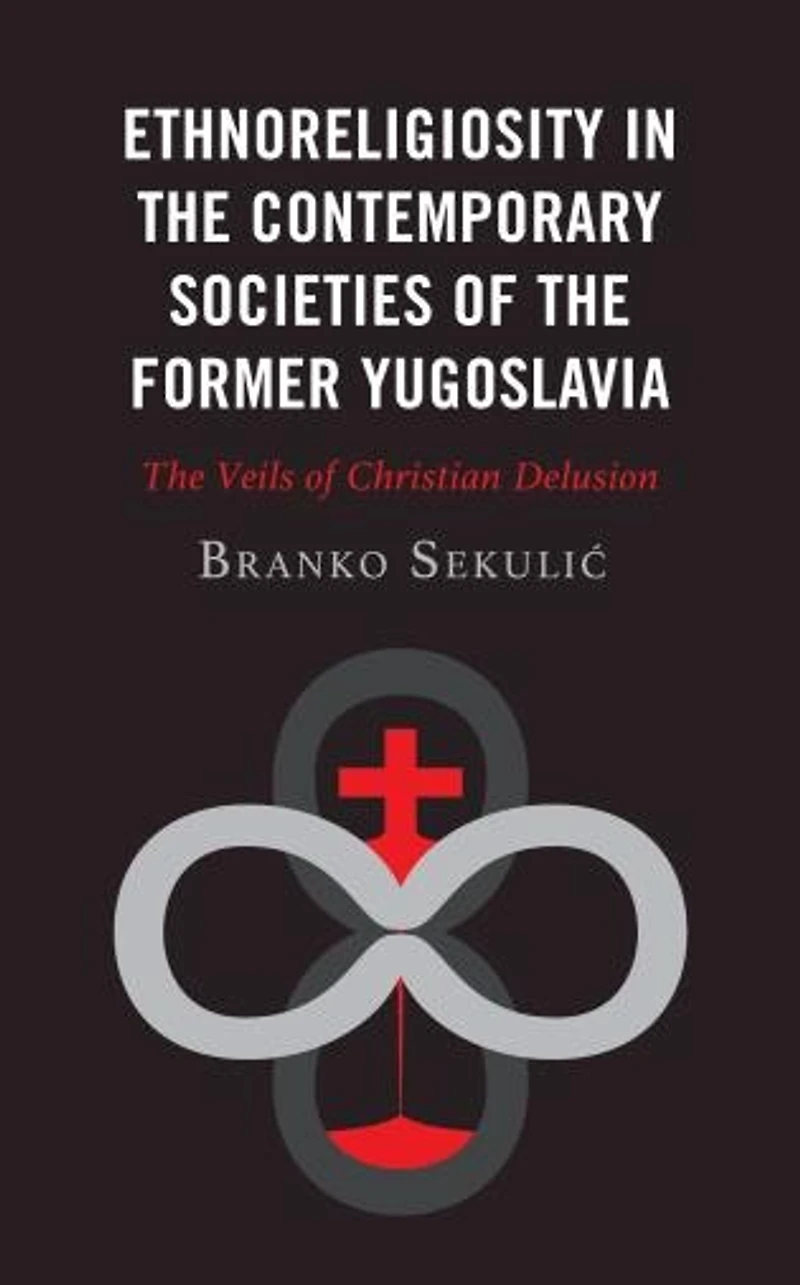
Using Christian communities in the former Yugoslavia as a case study, Branko Sekulic introduces the concept of ethnoreligiosity to the theological discussion in order to resolve the confusion that occurs when scholars talk about the concepts of ethno-religion or ethnoreligion. Ethno-religion/ethnoreligion came to describe the phenomenon of ethnic religion as a certain cultural specificity and which by itself has no negative connotation, but due to the lack of a better expression , it has been used as a term for the phenomenon of ethnic and religious conflict and discrimination. In that sense, ethnoreligiosity can be defined as a phenomenon resulting from the usurpation of the religious aspect of human life by the ethnic one, or more precisely, it emerges as a consequence of an ethnic (ethnonational) ideological overtaking of the structures of the religious organization. It takes place through the attempt to give sacral connotation to a particular ethnonational myth as an integral part of ethnonational ideology, with the result that religious feeling is no longer generated on a religious but primarily on an ethnonational base. By understanding the proper definition and manifestation of ethnoreligiosity, one will have the opportunity to discern the basic components of this phenomenon not only within the countries of the former Yugoslavia, but in other countries as well.
Using Christian communities in the former Yugoslavia as a case study, Branko Sekulic introduces the concept of ethnoreligiosity to the theological discussion in order to resolve the confusion that occurs when scholars talk about the concepts of ethno-religion or ethnoreligion. Ethno-religion/ethnoreligion came to describe the phenomenon of ethnic religion as a certain cultural specificity and which by itself has no negative connotation, but due to the lack of a better expression , it has been used as a term for the phenomenon of ethnic and religious conflict and discrimination. In that sense, ethnoreligiosity can be defined as a phenomenon resulting from the usurpation of the religious aspect of human life by the ethnic one, or more precisely, it emerges as a consequence of an ethnic (ethnonational) ideological overtaking of the structures of the religious organization. It takes place through the attempt to give sacral connotation to a particular ethnonational myth as an integral part of ethnonational ideology, with the result that religious feeling is no longer generated on a religious but primarily on an ethnonational base. By understanding the proper definition and manifestation of ethnoreligiosity, one will have the opportunity to discern the basic components of this phenomenon not only within the countries of the former Yugoslavia, but in other countries as well.
You May Also Like








More About Indigo at Erin Mills Town Centre
The largest book retailer in Canada also offers toys, music, home décor, gifts and lifestyle products. What's Inside...Books, Magazines, CD’s and DVD’s, Toys and Gifts, Home Accents, Electronics, Baby’s and Children’s Section, Bath and Body, Kitchen and Bedroom, Stationary Located outside in the exterior plaza.
5015 Glen Erin Dr, Mississauga, ON L5M 0R7, Canada
Find Indigo at Erin Mills Town Centre in Mississauga ON
Visit Indigo at Erin Mills Town Centre in Mississauga ON