

GIVE THE PERFECT GIFT
Erin Mills Town Centre Gift Cards are the perfect choice for your gift giving needs.Purchase gift cards at kiosks near the food court or centre court, at Guest Services, or click below to purchase online.PURCHASE HEREHome
Etymological Dictionary of Proto-Germanic
Indigo
Loading Inventory...
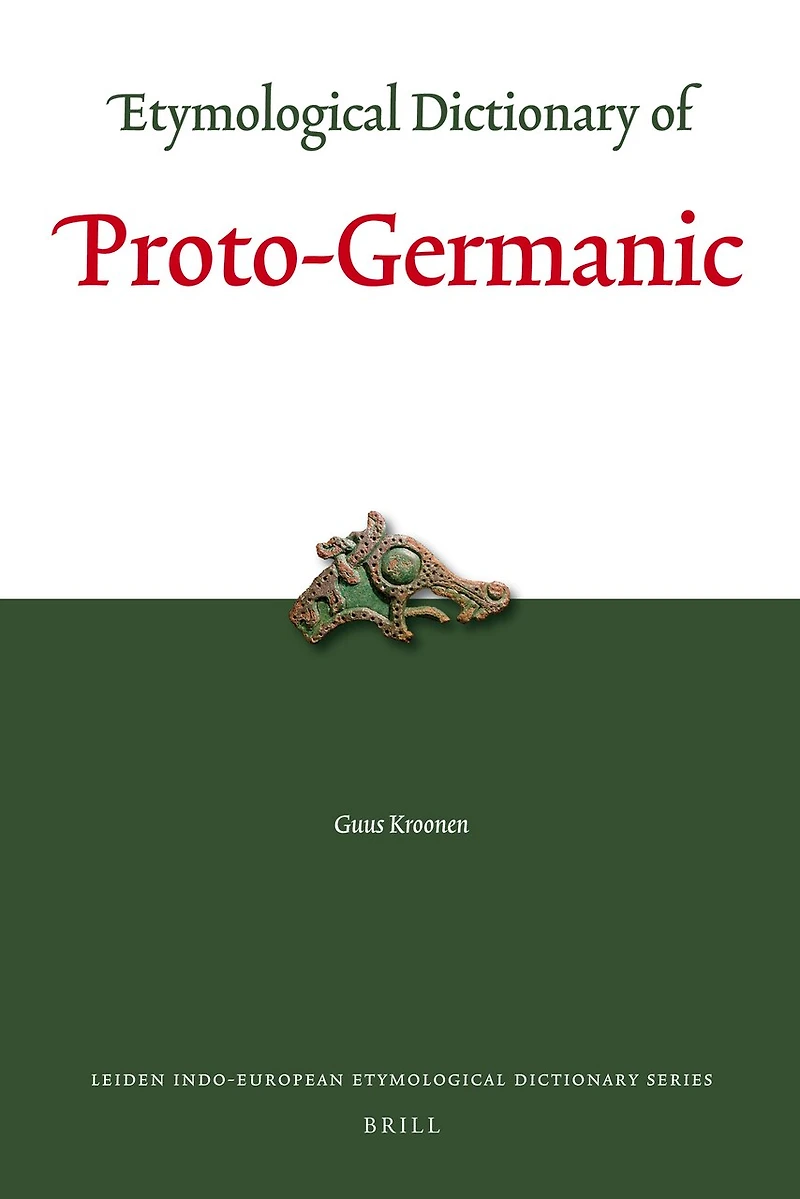
Etymological Dictionary of Proto-Germanic
Current price: $542.99

Etymological Dictionary of Proto-Germanic
Current price: $542.99
Loading Inventory...
Size: Hardcover
*Product information may vary - to confirm product availability, pricing, shipping and return information please contact Indigo
The Germanic languages, which include English, German, Dutch and Scandinavian, belong to the best-studied languages in the world, but the picture of their parent language, Proto-Germanic, continues to evolve. This new etymological dictionary offers a wealth of material collected from old and new Germanic sources, ranging from Gothic to Elfdalian, from Old English to the Swiss dialects, and incorporates several important advances in Proto-Germanic phonology, morphology and derivation. With its approximately 2,800 headwords and at least as many derivations, it covers the larger part of the Proto-Germanic vocabulary, and attempts to trace it back to its Proto-Indo-European foundations. The result is a landmark etymological study indispensable to Indo-Europeanists and Germanicists, as well as to the non-specialist.
The Germanic languages, which include English, German, Dutch and Scandinavian, belong to the best-studied languages in the world, but the picture of their parent language, Proto-Germanic, continues to evolve. This new etymological dictionary offers a wealth of material collected from old and new Germanic sources, ranging from Gothic to Elfdalian, from Old English to the Swiss dialects, and incorporates several important advances in Proto-Germanic phonology, morphology and derivation. With its approximately 2,800 headwords and at least as many derivations, it covers the larger part of the Proto-Germanic vocabulary, and attempts to trace it back to its Proto-Indo-European foundations. The result is a landmark etymological study indispensable to Indo-Europeanists and Germanicists, as well as to the non-specialist.
You May Also Like







More About Indigo at Erin Mills Town Centre
The largest book retailer in Canada also offers toys, music, home décor, gifts and lifestyle products. What's Inside...Books, Magazines, CD’s and DVD’s, Toys and Gifts, Home Accents, Electronics, Baby’s and Children’s Section, Bath and Body, Kitchen and Bedroom, Stationary Located outside in the exterior plaza.
5015 Glen Erin Dr, Mississauga, ON L5M 0R7, Canada
Find Indigo at Erin Mills Town Centre in Mississauga ON
Visit Indigo at Erin Mills Town Centre in Mississauga ON