

GIVE THE PERFECT GIFT
Erin Mills Town Centre Gift Cards are the perfect choice for your gift giving needs.Purchase gift cards at kiosks near the food court or centre court, at Guest Services, or click below to purchase online.PURCHASE HEREHome
European Vernacular Literacy: A Sociolinguistic and Historical Introduction
Indigo
Loading Inventory...
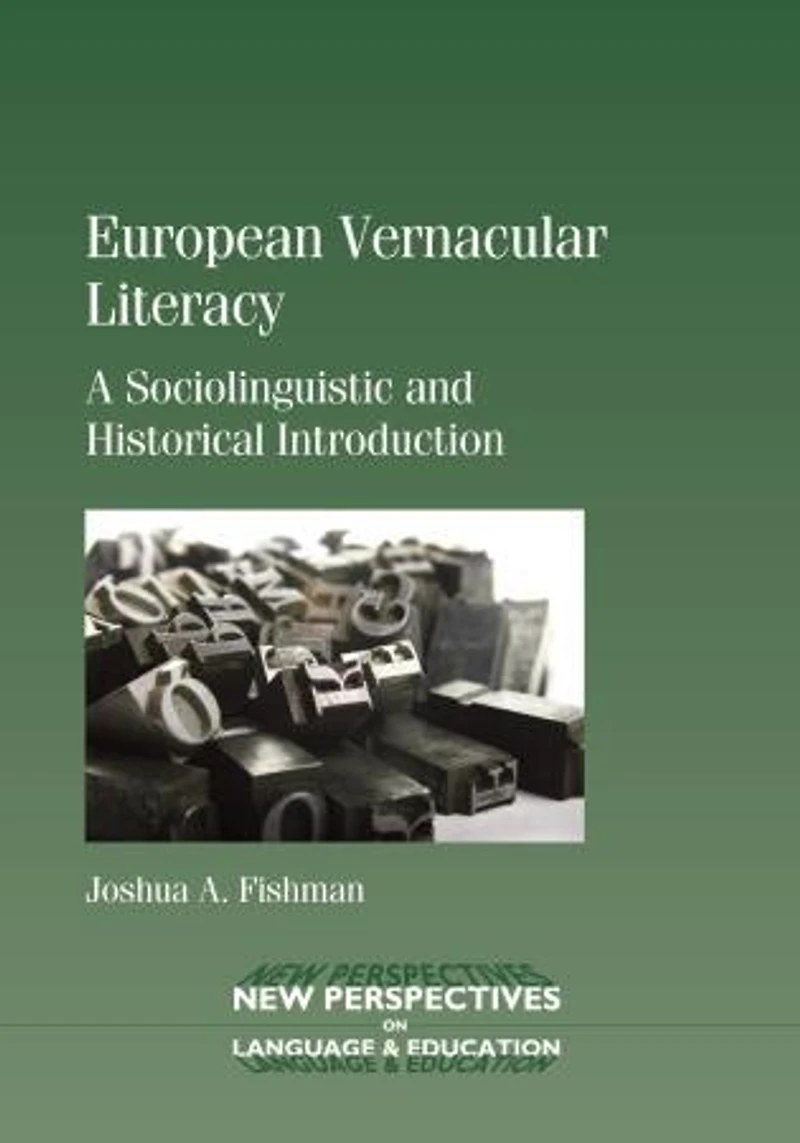
European Vernacular Literacy: A Sociolinguistic and Historical Introduction
Current price: $109.95

European Vernacular Literacy: A Sociolinguistic and Historical Introduction
Current price: $109.95
Loading Inventory...
Size: Hardcover
*Product information may vary - to confirm product availability, pricing, shipping and return information please contact Indigo
In this major new text, Joshua Fishman charts the rise of vernacular literacy in Europe, and the major social, economic, religious, political, demographic, educational and philosophical changes that attended it. Following the story up until the present day, the book examines the people who became leaders of the growth of vernacular literacy in Europe, and looks at how European colonizers viewed vernacular literacy efforts in their current and former colonies. Looking forward, Fishman discusses how new technology affects vernacular literacy both now and in the present, and whether developments in voice and visual media mean that vernacular literacy will be less important to future generations than it is to us. ‘European Vernacular Literacy’ is not only a review of well-known facts and theories of the rise of vernacular literacy in Europe, but an attempt to reintegrate and rethink them along new and provocative lines, meaning that the book will be of interest not only to students of literacy and history but also to scholars interested in Fishman’s latest contribution to sociolinguistics.
In this major new text, Joshua Fishman charts the rise of vernacular literacy in Europe, and the major social, economic, religious, political, demographic, educational and philosophical changes that attended it. Following the story up until the present day, the book examines the people who became leaders of the growth of vernacular literacy in Europe, and looks at how European colonizers viewed vernacular literacy efforts in their current and former colonies. Looking forward, Fishman discusses how new technology affects vernacular literacy both now and in the present, and whether developments in voice and visual media mean that vernacular literacy will be less important to future generations than it is to us. ‘European Vernacular Literacy’ is not only a review of well-known facts and theories of the rise of vernacular literacy in Europe, but an attempt to reintegrate and rethink them along new and provocative lines, meaning that the book will be of interest not only to students of literacy and history but also to scholars interested in Fishman’s latest contribution to sociolinguistics.
You May Also Like










More About Indigo at Erin Mills Town Centre
The largest book retailer in Canada also offers toys, music, home décor, gifts and lifestyle products. What's Inside...Books, Magazines, CD’s and DVD’s, Toys and Gifts, Home Accents, Electronics, Baby’s and Children’s Section, Bath and Body, Kitchen and Bedroom, Stationary Located outside in the exterior plaza.
5015 Glen Erin Dr, Mississauga, ON L5M 0R7, Canada
Find Indigo at Erin Mills Town Centre in Mississauga ON
Visit Indigo at Erin Mills Town Centre in Mississauga ON