

GIVE THE PERFECT GIFT
Erin Mills Town Centre Gift Cards are the perfect choice for your gift giving needs.Purchase gift cards at kiosks near the food court or centre court, at Guest Services, or click below to purchase online.PURCHASE HEREHome
Evaluation of Food Safety Practices and Oil Standards
Indigo
Loading Inventory...
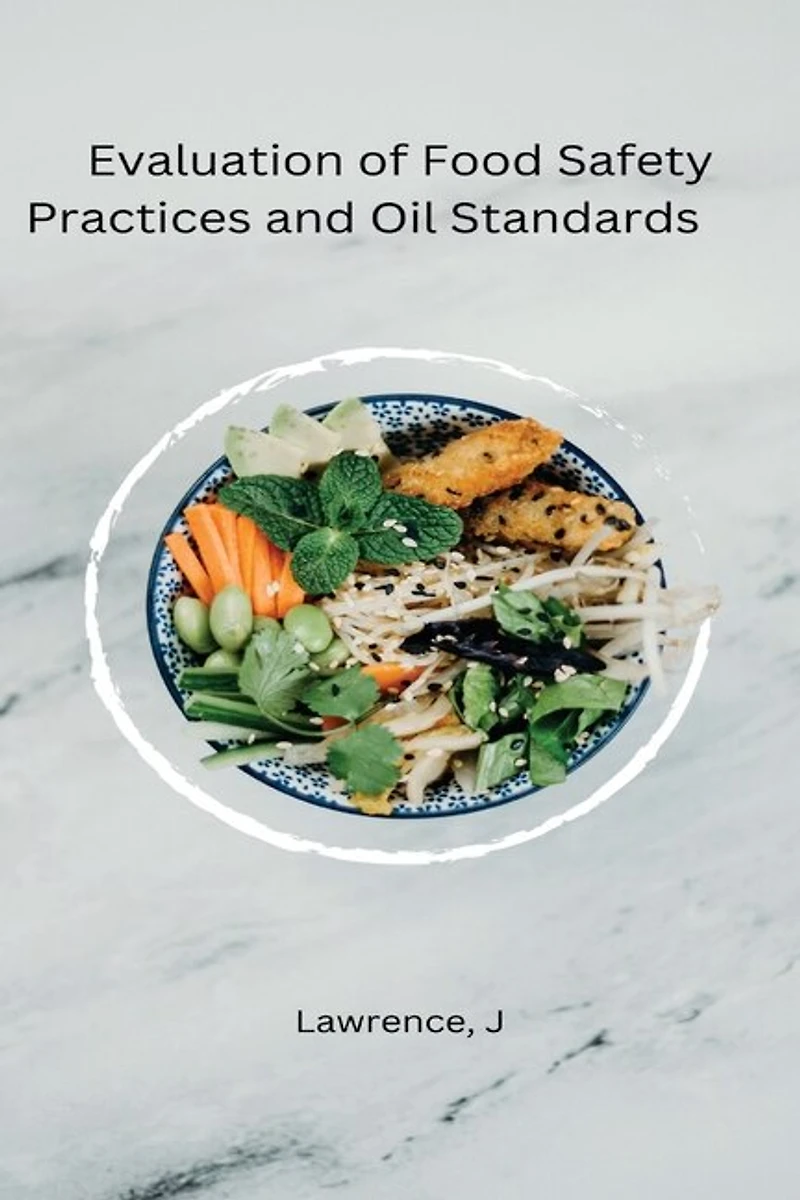
Evaluation of Food Safety Practices and Oil Standards
Current price: $54.98

Evaluation of Food Safety Practices and Oil Standards
Current price: $54.98
Loading Inventory...
Size: Paperback
*Product information may vary - to confirm product availability, pricing, shipping and return information please contact Indigo
Food is a substance or material that originates in the environment in plant, animals, or water. It is made up of naturally occurring nutrients metabolized by and organism to sustain, grow and repair vital life processed. The primary function of food is to provide nourishment to an organism. Nourishment is furnished by nutrients: carbohydrates, fats, fibers, protein, vitamins and minerals. These and other chemical compounds are essential for basic bodily functions (Kaplan, 2012). Potter and Hotchkiss (1998) state that food is the fuel which supplies chemical energy to the body to support daily activity and synthesis of necessary chemicals within the body and is therefore critically needed for survival, growth, physical abilities and good health. Food to perform the intended use must be nutritionally complete and be free of any injurious substances. A lack or insufficiency of food or consumption of food containing harmful substances may result in dietary illnesses, i.e. Pellagra, Rickets, Marasmus, Kwashiorkor and Keratosis or Foodborne diseases, i.e. Cholera, Dysentery, Hepatitis, Salmonellosis and Typhoid (Shapton & Shapton, 1993; Frazier & Westhoff, 1988).
Food is a substance or material that originates in the environment in plant, animals, or water. It is made up of naturally occurring nutrients metabolized by and organism to sustain, grow and repair vital life processed. The primary function of food is to provide nourishment to an organism. Nourishment is furnished by nutrients: carbohydrates, fats, fibers, protein, vitamins and minerals. These and other chemical compounds are essential for basic bodily functions (Kaplan, 2012). Potter and Hotchkiss (1998) state that food is the fuel which supplies chemical energy to the body to support daily activity and synthesis of necessary chemicals within the body and is therefore critically needed for survival, growth, physical abilities and good health. Food to perform the intended use must be nutritionally complete and be free of any injurious substances. A lack or insufficiency of food or consumption of food containing harmful substances may result in dietary illnesses, i.e. Pellagra, Rickets, Marasmus, Kwashiorkor and Keratosis or Foodborne diseases, i.e. Cholera, Dysentery, Hepatitis, Salmonellosis and Typhoid (Shapton & Shapton, 1993; Frazier & Westhoff, 1988).
You May Also Like








More About Indigo at Erin Mills Town Centre
The largest book retailer in Canada also offers toys, music, home décor, gifts and lifestyle products. What's Inside...Books, Magazines, CD’s and DVD’s, Toys and Gifts, Home Accents, Electronics, Baby’s and Children’s Section, Bath and Body, Kitchen and Bedroom, Stationary Located outside in the exterior plaza.
5015 Glen Erin Dr, Mississauga, ON L5M 0R7, Canada
Find Indigo at Erin Mills Town Centre in Mississauga ON
Visit Indigo at Erin Mills Town Centre in Mississauga ON