

GIVE THE PERFECT GIFT
Erin Mills Town Centre Gift Cards are the perfect choice for your gift giving needs.Purchase gift cards at kiosks near the food court or centre court, at Guest Services, or click below to purchase online.PURCHASE HEREHome
Excess Modern Irish Writing: Spirit and Surplus
Indigo
Loading Inventory...
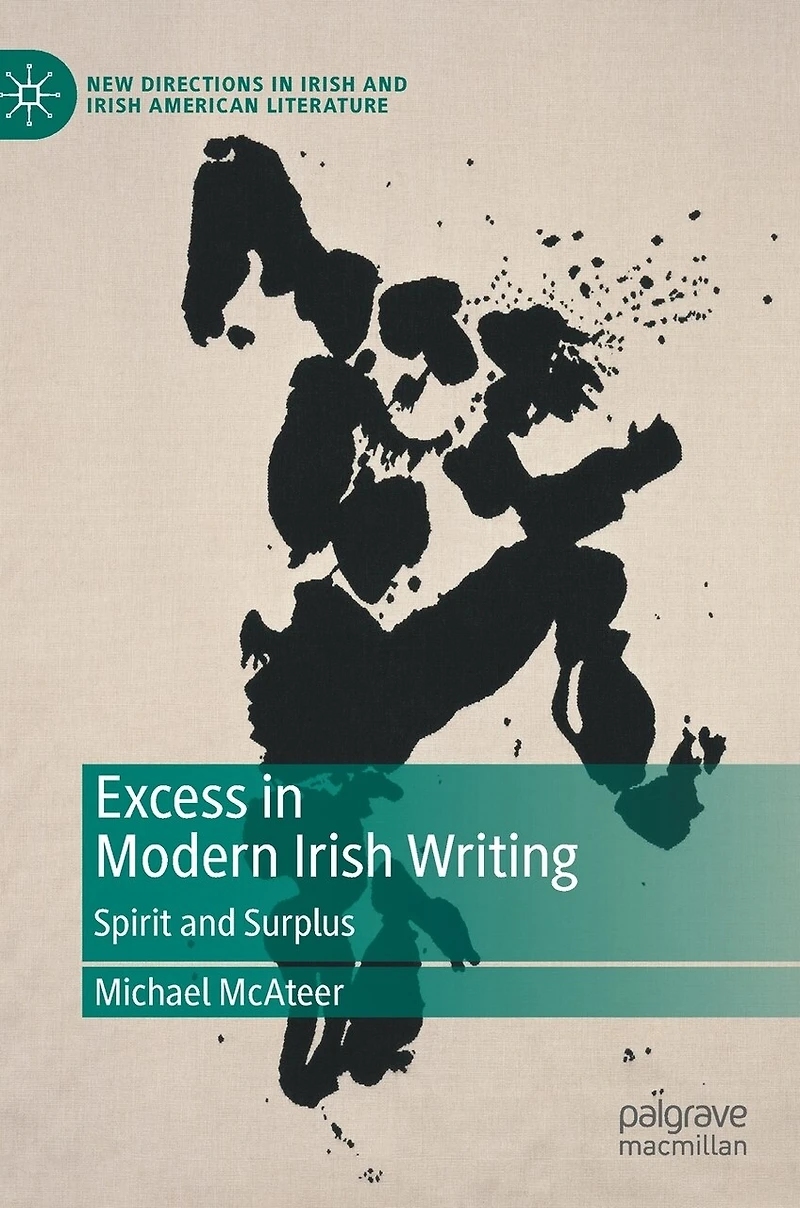
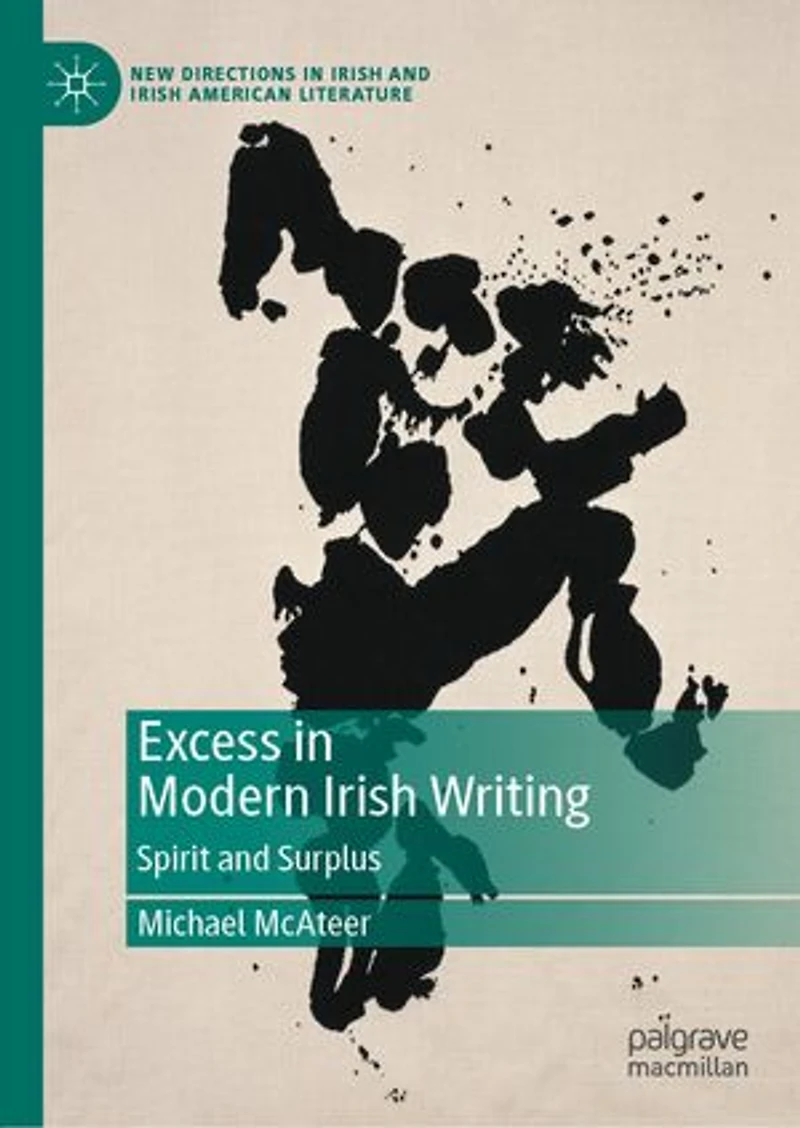
Excess Modern Irish Writing: Spirit and Surplus
Current price: $131.50

Excess Modern Irish Writing: Spirit and Surplus
Current price: $131.50
Loading Inventory...
Size: Hardcover
*Product information may vary - to confirm product availability, pricing, shipping and return information please contact Indigo
This book examines the topic of excess in modern Irish writing in terms of mysticism, materialism, myth and language. The study engages ideas of excess as they appear in works by major thinkers from Hegel, Kierkegaard and Marx through to Nietzsche, Bataille, Derrida and, more recently, Badiou. Poems, plays and fiction by a wide range of Irish authors are considered. These include works by Oscar Wilde, W. B. Yeats, G. B. Shaw, Patrick Pearse, James Joyce, Sean O'Casey, Louis MacNeice, Samuel Beckett, Elizabeth Bowen, Roddy Doyle, Seamus Heaney, Marina Carr and Medbh McGuckian. The readings presented illustrate how Matthew Arnold's nineteenth-century idea of the excessive character of the Celt is itself exceeded within the modernity of twentieth-century Irish writing.
This book examines the topic of excess in modern Irish writing in terms of mysticism, materialism, myth and language. The study engages ideas of excess as they appear in works by major thinkers from Hegel, Kierkegaard and Marx through to Nietzsche, Bataille, Derrida and, more recently, Badiou. Poems, plays and fiction by a wide range of Irish authors are considered. These include works by Oscar Wilde, W. B. Yeats, G. B. Shaw, Patrick Pearse, James Joyce, Sean O'Casey, Louis MacNeice, Samuel Beckett, Elizabeth Bowen, Roddy Doyle, Seamus Heaney, Marina Carr and Medbh McGuckian. The readings presented illustrate how Matthew Arnold's nineteenth-century idea of the excessive character of the Celt is itself exceeded within the modernity of twentieth-century Irish writing.
You May Also Like







More About Indigo at Erin Mills Town Centre
The largest book retailer in Canada also offers toys, music, home décor, gifts and lifestyle products. What's Inside...Books, Magazines, CD’s and DVD’s, Toys and Gifts, Home Accents, Electronics, Baby’s and Children’s Section, Bath and Body, Kitchen and Bedroom, Stationary Located outside in the exterior plaza.
5015 Glen Erin Dr, Mississauga, ON L5M 0R7, Canada
Find Indigo at Erin Mills Town Centre in Mississauga ON
Visit Indigo at Erin Mills Town Centre in Mississauga ON