

GIVE THE PERFECT GIFT
Erin Mills Town Centre Gift Cards are the perfect choice for your gift giving needs.Purchase gift cards at kiosks near the food court or centre court, at Guest Services, or click below to purchase online.PURCHASE HEREHome
Explaining International Relations since 1945
Indigo
Loading Inventory...
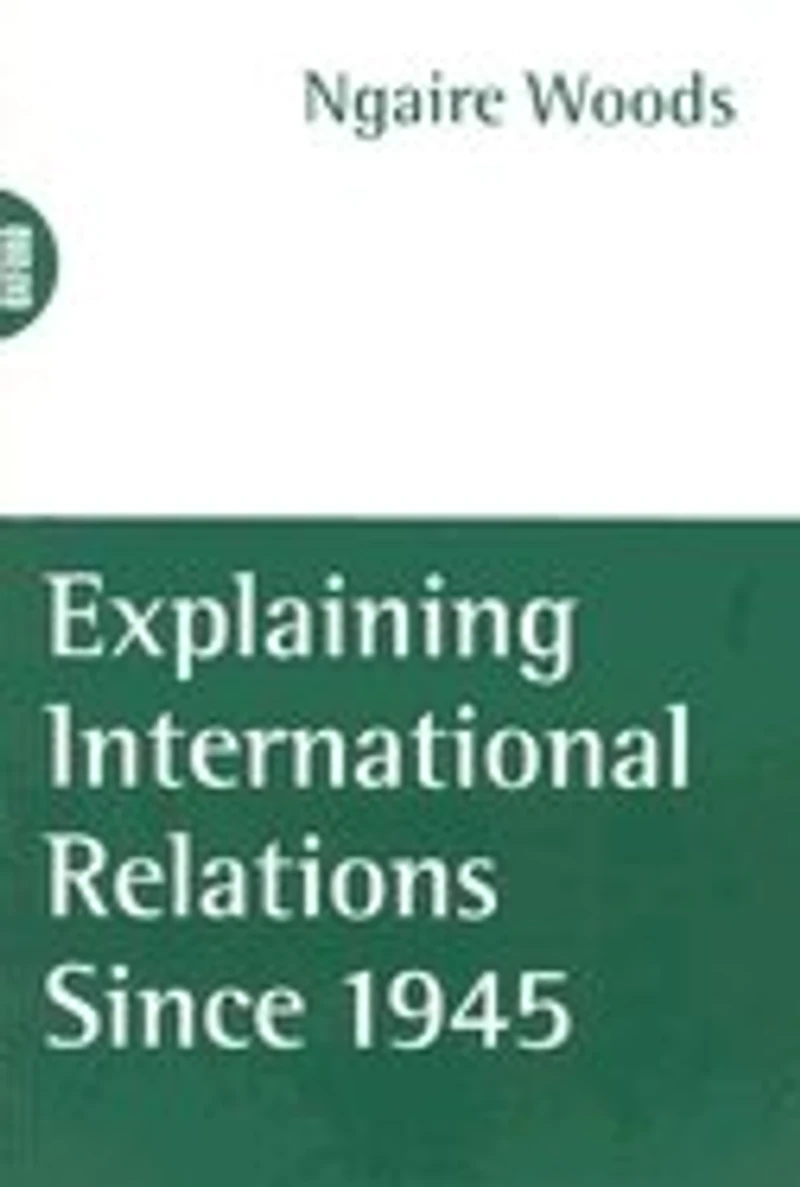
Explaining International Relations since 1945
Current price: $111.50

Explaining International Relations since 1945
Current price: $111.50
Loading Inventory...
Size: Paperback
*Product information may vary - to confirm product availability, pricing, shipping and return information please contact Indigo
History and theory are all too often treated as separate approaches to international relations. This book offers an accessible synthesis of sophisticated theory and in-depth history.
The uses of theory are examined in the opening section which includes a defence of the historical method by John Lewis Gaddis and the arguments for a more scientific method by Bruce Bueno de Mesquita. The subsequent chapters of the book take major issues and episodes in international relations
since 1945 (such as the rise of Japan, change in Latin America, wars in the Middle East, and decolonization) and demonstrate how it is that particular theories assist in explaining them. These include theories of power, cooperation, alliances, empire, integration, and arms control.
The student is left with a nuanced view of history and a critical but constructive approach to theories of international relations. The book challenges both students and academics to think afresh about the ways they analyse international relations.
History and theory are all too often treated as separate approaches to international relations. This book offers an accessible synthesis of sophisticated theory and in-depth history.
The uses of theory are examined in the opening section which includes a defence of the historical method by John Lewis Gaddis and the arguments for a more scientific method by Bruce Bueno de Mesquita. The subsequent chapters of the book take major issues and episodes in international relations
since 1945 (such as the rise of Japan, change in Latin America, wars in the Middle East, and decolonization) and demonstrate how it is that particular theories assist in explaining them. These include theories of power, cooperation, alliances, empire, integration, and arms control.
The student is left with a nuanced view of history and a critical but constructive approach to theories of international relations. The book challenges both students and academics to think afresh about the ways they analyse international relations.
You May Also Like








More About Indigo at Erin Mills Town Centre
The largest book retailer in Canada also offers toys, music, home décor, gifts and lifestyle products. What's Inside...Books, Magazines, CD’s and DVD’s, Toys and Gifts, Home Accents, Electronics, Baby’s and Children’s Section, Bath and Body, Kitchen and Bedroom, Stationary Located outside in the exterior plaza.
5015 Glen Erin Dr, Mississauga, ON L5M 0R7, Canada
Find Indigo at Erin Mills Town Centre in Mississauga ON
Visit Indigo at Erin Mills Town Centre in Mississauga ON