

GIVE THE PERFECT GIFT
Erin Mills Town Centre Gift Cards are the perfect choice for your gift giving needs.Purchase gift cards at kiosks near the food court or centre court, at Guest Services, or click below to purchase online.PURCHASE HEREHome
Exploring the Implications of Complexity Thinking for Translation Studies
Indigo
Loading Inventory...
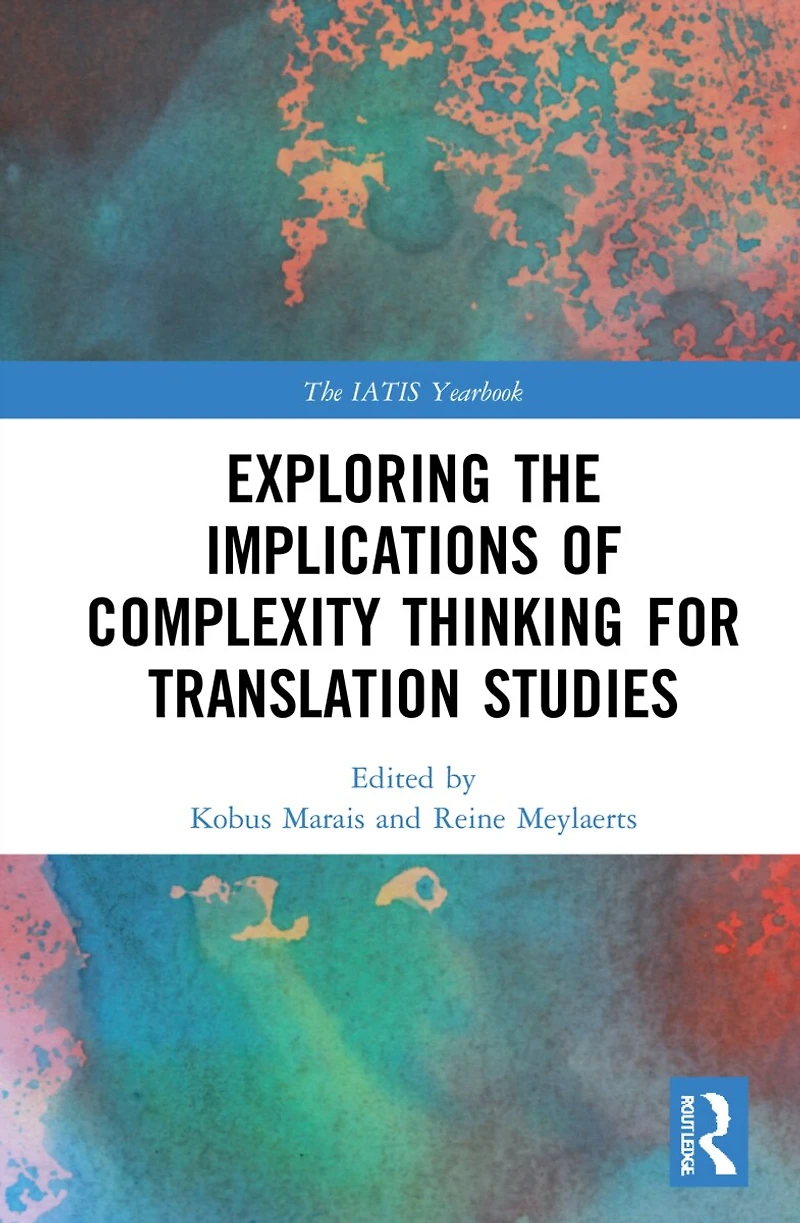
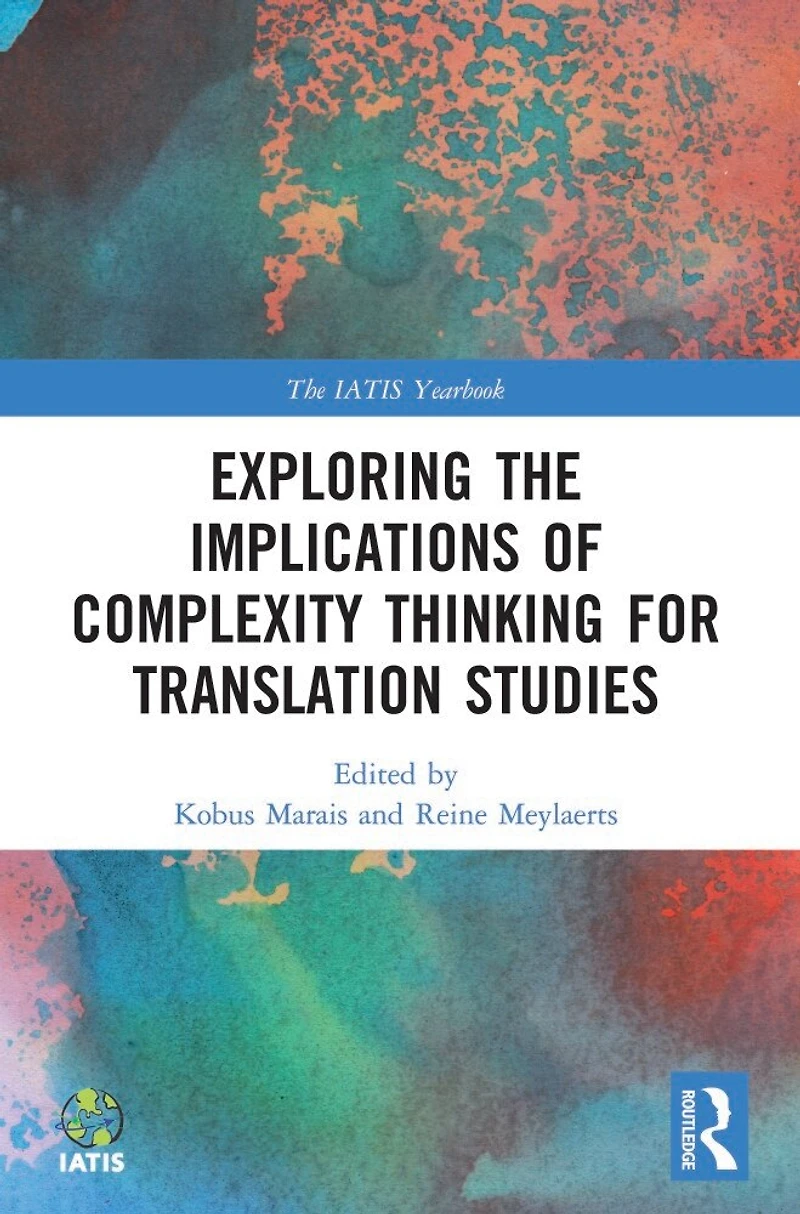
Exploring the Implications of Complexity Thinking for Translation Studies
Current price: $296.50

Exploring the Implications of Complexity Thinking for Translation Studies
Current price: $296.50
Loading Inventory...
Size: Hardcover
*Product information may vary - to confirm product availability, pricing, shipping and return information please contact Indigo
Exploring the Implications of Complexity Thinking for Translation Studies considers the new link between translation studies and complexity thinking. Edited by leading scholars in this emerging field, the collection builds on and expands work done in complexity thinking in translation studies over the past decade. In this volume, the contributors address a variety of implications that this new approach holds for key concepts in Translation Studies such as source vs. target texts, translational units, authorship, translatorship, for research topics including translation data, machine translation, communities of practice, and for research methods such as constraints and the emergence of trajectories. The various chapters provide valuable information as to how research methods informed by complexity thinking can be applied in translation studies. Presenting theoretical and methodological contributions as well as case studies, this volume is of interest to advanced students, academics, and researchers in translation and interpreting studies, literary studies, and related areas.
Exploring the Implications of Complexity Thinking for Translation Studies considers the new link between translation studies and complexity thinking. Edited by leading scholars in this emerging field, the collection builds on and expands work done in complexity thinking in translation studies over the past decade. In this volume, the contributors address a variety of implications that this new approach holds for key concepts in Translation Studies such as source vs. target texts, translational units, authorship, translatorship, for research topics including translation data, machine translation, communities of practice, and for research methods such as constraints and the emergence of trajectories. The various chapters provide valuable information as to how research methods informed by complexity thinking can be applied in translation studies. Presenting theoretical and methodological contributions as well as case studies, this volume is of interest to advanced students, academics, and researchers in translation and interpreting studies, literary studies, and related areas.
You May Also Like









More About Indigo at Erin Mills Town Centre
The largest book retailer in Canada also offers toys, music, home décor, gifts and lifestyle products. What's Inside...Books, Magazines, CD’s and DVD’s, Toys and Gifts, Home Accents, Electronics, Baby’s and Children’s Section, Bath and Body, Kitchen and Bedroom, Stationary Located outside in the exterior plaza.
5015 Glen Erin Dr, Mississauga, ON L5M 0R7, Canada
Find Indigo at Erin Mills Town Centre in Mississauga ON
Visit Indigo at Erin Mills Town Centre in Mississauga ON