

GIVE THE PERFECT GIFT
Erin Mills Town Centre Gift Cards are the perfect choice for your gift giving needs.Purchase gift cards at kiosks near the food court or centre court, at Guest Services, or click below to purchase online.PURCHASE HEREHome
Extractive Industry Indigenisation Zimbabwe: Neoextractivism, Resource Nationalism and Uneven Development
Indigo
Loading Inventory...
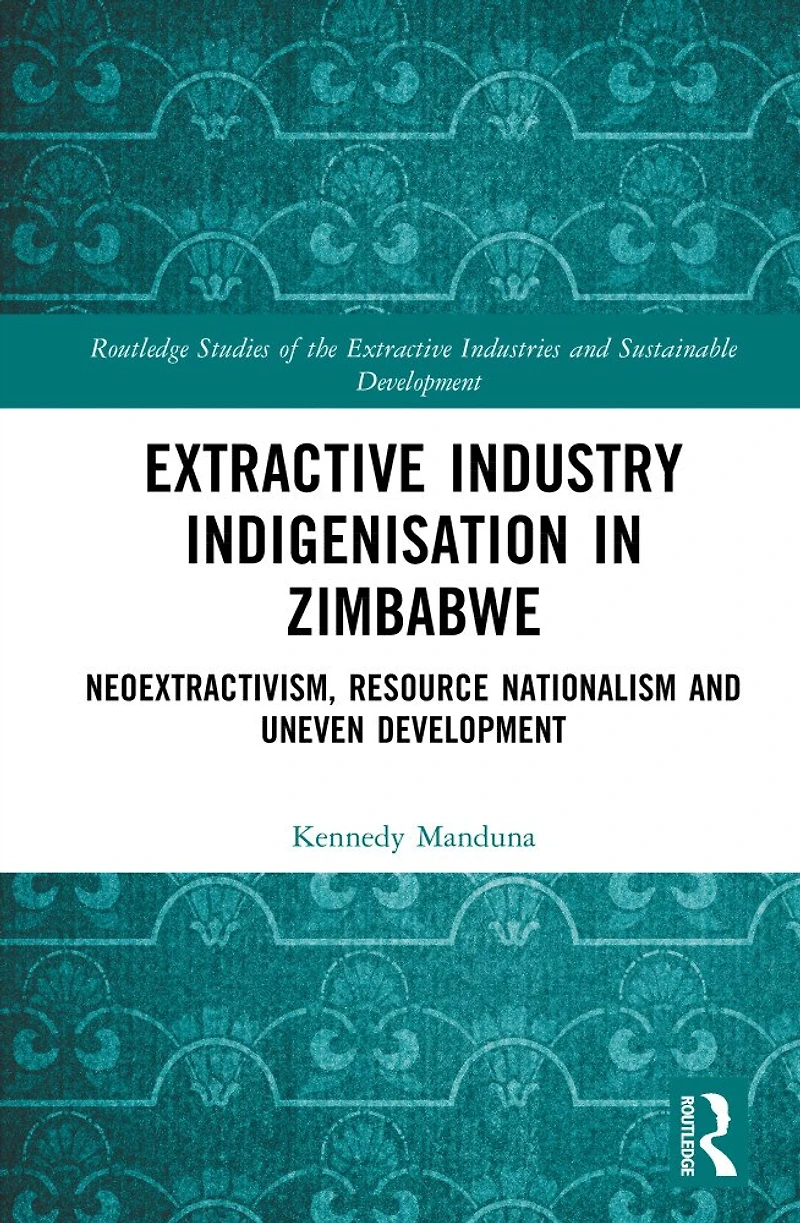
Extractive Industry Indigenisation Zimbabwe: Neoextractivism, Resource Nationalism and Uneven Development
Current price: $346.50

Extractive Industry Indigenisation Zimbabwe: Neoextractivism, Resource Nationalism and Uneven Development
Current price: $346.50
Loading Inventory...
Size: Hardcover
*Product information may vary - to confirm product availability, pricing, shipping and return information please contact Indigo
This book explains how and why Zimbabwe's extractive industry indigenisation over-promised its benefits yet under-delivered upon implementation. This book traces the history of uneven development in Zimbabwe from the initial days of colonialism to the present, using the extractive industry as the unit of analysis to carve out a granular and empirical analysis of the preponderance of transnational corporate control and ownership in the country. Indigenisation of Zimbabwe's extractive industries was intended to address mining inequalities by transferring wealth from rich non-indigenous mining capital to disadvantaged indigenous citizens and communities. This policy, however, was a response to political, economic, and social crises posed by the international isolation of Zimbabwe's government following the controversial Fast Track Land Reform Programme in 2000-2003. An intervention, therefore, which promised to address inequalities has thus been hampered by corruption, co-optation and collusion which has led to it not only failing to address uneven development, but in actual fact worsening the situation. By examining the hidden structures and infrastructures of power, capital, and minerals and placing extractive industry indigenisation in capitalism, the book makes a crucial scholarly contribution to the renewed and burgeoning debates around the resurgence of resource nationalism in general and the struggle for economic sovereignty in particular. The book steers readers more broadly to look for new and diversified ways of empowering indigenous populations and their communities through mining indigenisation in ways that do not threaten economic and political stability. This book will be of great interest to students and scholars of the extractive industries, natural resource management, African politics and African development.
This book explains how and why Zimbabwe's extractive industry indigenisation over-promised its benefits yet under-delivered upon implementation. This book traces the history of uneven development in Zimbabwe from the initial days of colonialism to the present, using the extractive industry as the unit of analysis to carve out a granular and empirical analysis of the preponderance of transnational corporate control and ownership in the country. Indigenisation of Zimbabwe's extractive industries was intended to address mining inequalities by transferring wealth from rich non-indigenous mining capital to disadvantaged indigenous citizens and communities. This policy, however, was a response to political, economic, and social crises posed by the international isolation of Zimbabwe's government following the controversial Fast Track Land Reform Programme in 2000-2003. An intervention, therefore, which promised to address inequalities has thus been hampered by corruption, co-optation and collusion which has led to it not only failing to address uneven development, but in actual fact worsening the situation. By examining the hidden structures and infrastructures of power, capital, and minerals and placing extractive industry indigenisation in capitalism, the book makes a crucial scholarly contribution to the renewed and burgeoning debates around the resurgence of resource nationalism in general and the struggle for economic sovereignty in particular. The book steers readers more broadly to look for new and diversified ways of empowering indigenous populations and their communities through mining indigenisation in ways that do not threaten economic and political stability. This book will be of great interest to students and scholars of the extractive industries, natural resource management, African politics and African development.
You May Also Like







More About Indigo at Erin Mills Town Centre
The largest book retailer in Canada also offers toys, music, home décor, gifts and lifestyle products. What's Inside...Books, Magazines, CD’s and DVD’s, Toys and Gifts, Home Accents, Electronics, Baby’s and Children’s Section, Bath and Body, Kitchen and Bedroom, Stationary Located outside in the exterior plaza.
5015 Glen Erin Dr, Mississauga, ON L5M 0R7, Canada
Find Indigo at Erin Mills Town Centre in Mississauga ON
Visit Indigo at Erin Mills Town Centre in Mississauga ON