

GIVE THE PERFECT GIFT
Erin Mills Town Centre Gift Cards are the perfect choice for your gift giving needs.Purchase gift cards at kiosks near the food court or centre court, at Guest Services, or click below to purchase online.PURCHASE HEREHome
Fabianism and the Empire:: A Manifesto by the Fabian Society
Indigo
Loading Inventory...
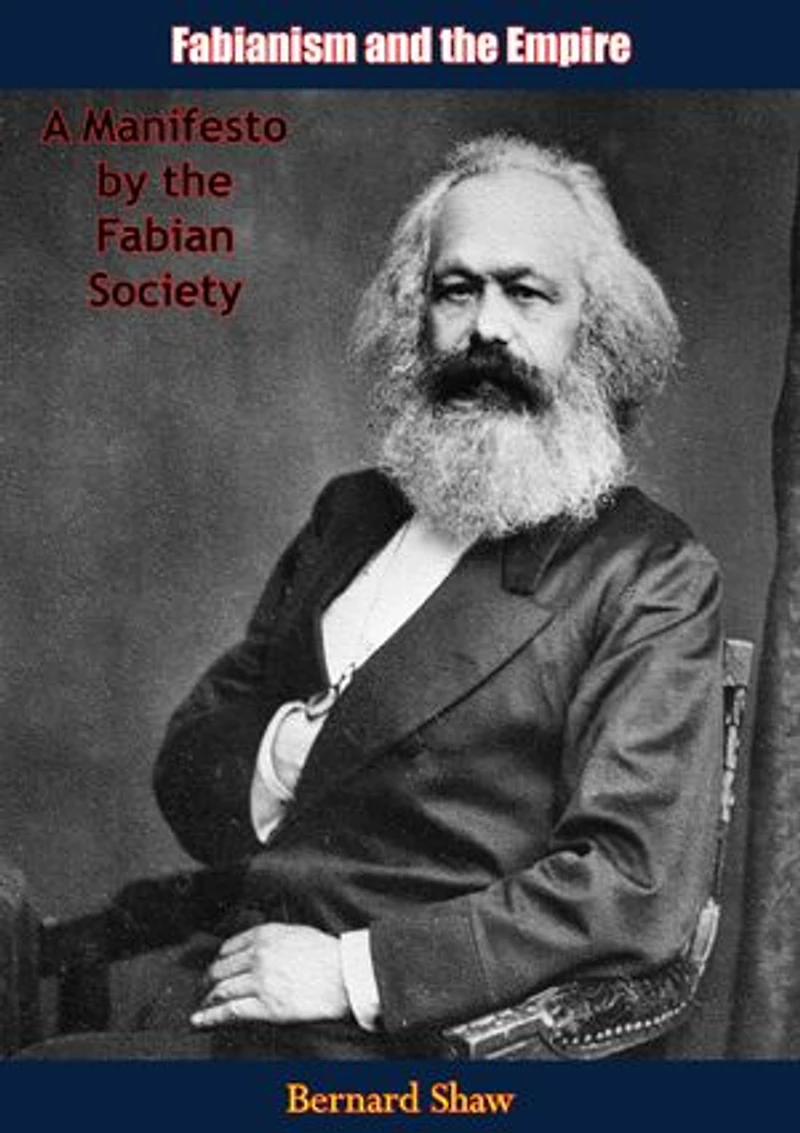
Fabianism and the Empire:: A Manifesto by the Fabian Society
Current price: $1.38

Fabianism and the Empire:: A Manifesto by the Fabian Society
Current price: $1.38
Loading Inventory...
Size: Kobo eBook
*Product information may vary - to confirm product availability, pricing, shipping and return information please contact Indigo
In 1900 Bernard Shaw completed the difficult task of drafting the Fabian's society position in the manifest Fabianism and the Empire. The society's progressive program advocated for socialist values, social justice and women rights. Against the background of these modern and leftist values though, the society's position on imperialism is somehow astonishing. One of the motives for its supportive stand on imperialism lies in the yet valid division they made between domestic and international politics. Edward Pease's The History of the Fabian society addresses the international system, for example under terms of efficiency and colonialism. According to him 'the only valid moral right to national possession is that the occupier is making adequate use of it for the benefit of the world community.' From the 'International Socialist point of view' national sovereignty and noninterference are not acceptable and the world must strive for an 'international civilization' according to socialist merits. Pease as well as Bernard Shaw in Fabianism and the Empire accept colonialism as a fact and furthermore they illustrate the Great Powers' advance as colonizers 'only [as] a question of time.'... Shaw points out two possible 'imperial policies' of which the second is 'a bureaucratic policy where the majority consists of colored natives.' This illustrates one of the policies the British attempted to implement in Sudan after their conquest of 1899. This paper will analyze various approaches of the British administrative in Sudan, as Indirect Rule and Native Administration. Beyond it, it will address the policy's aims and actual results with which the Sudanese had to cope and which still interfere greatly in the daily reality of Sudan. It will try to draw connection between the actual situation in Sudan, and especially in Darfur, and the colonial legacy of the British policies.
In 1900 Bernard Shaw completed the difficult task of drafting the Fabian's society position in the manifest Fabianism and the Empire. The society's progressive program advocated for socialist values, social justice and women rights. Against the background of these modern and leftist values though, the society's position on imperialism is somehow astonishing. One of the motives for its supportive stand on imperialism lies in the yet valid division they made between domestic and international politics. Edward Pease's The History of the Fabian society addresses the international system, for example under terms of efficiency and colonialism. According to him 'the only valid moral right to national possession is that the occupier is making adequate use of it for the benefit of the world community.' From the 'International Socialist point of view' national sovereignty and noninterference are not acceptable and the world must strive for an 'international civilization' according to socialist merits. Pease as well as Bernard Shaw in Fabianism and the Empire accept colonialism as a fact and furthermore they illustrate the Great Powers' advance as colonizers 'only [as] a question of time.'... Shaw points out two possible 'imperial policies' of which the second is 'a bureaucratic policy where the majority consists of colored natives.' This illustrates one of the policies the British attempted to implement in Sudan after their conquest of 1899. This paper will analyze various approaches of the British administrative in Sudan, as Indirect Rule and Native Administration. Beyond it, it will address the policy's aims and actual results with which the Sudanese had to cope and which still interfere greatly in the daily reality of Sudan. It will try to draw connection between the actual situation in Sudan, and especially in Darfur, and the colonial legacy of the British policies.
You May Also Like








More About Indigo at Erin Mills Town Centre
The largest book retailer in Canada also offers toys, music, home décor, gifts and lifestyle products. What's Inside...Books, Magazines, CD’s and DVD’s, Toys and Gifts, Home Accents, Electronics, Baby’s and Children’s Section, Bath and Body, Kitchen and Bedroom, Stationary Located outside in the exterior plaza.
5015 Glen Erin Dr, Mississauga, ON L5M 0R7, Canada
Find Indigo at Erin Mills Town Centre in Mississauga ON
Visit Indigo at Erin Mills Town Centre in Mississauga ON