

GIVE THE PERFECT GIFT
Erin Mills Town Centre Gift Cards are the perfect choice for your gift giving needs.Purchase gift cards at kiosks near the food court or centre court, at Guest Services, or click below to purchase online.PURCHASE HEREHome
Facing Poetry: Alexander Gottlieb Baumgarten's Theory of Literature
Indigo
Loading Inventory...
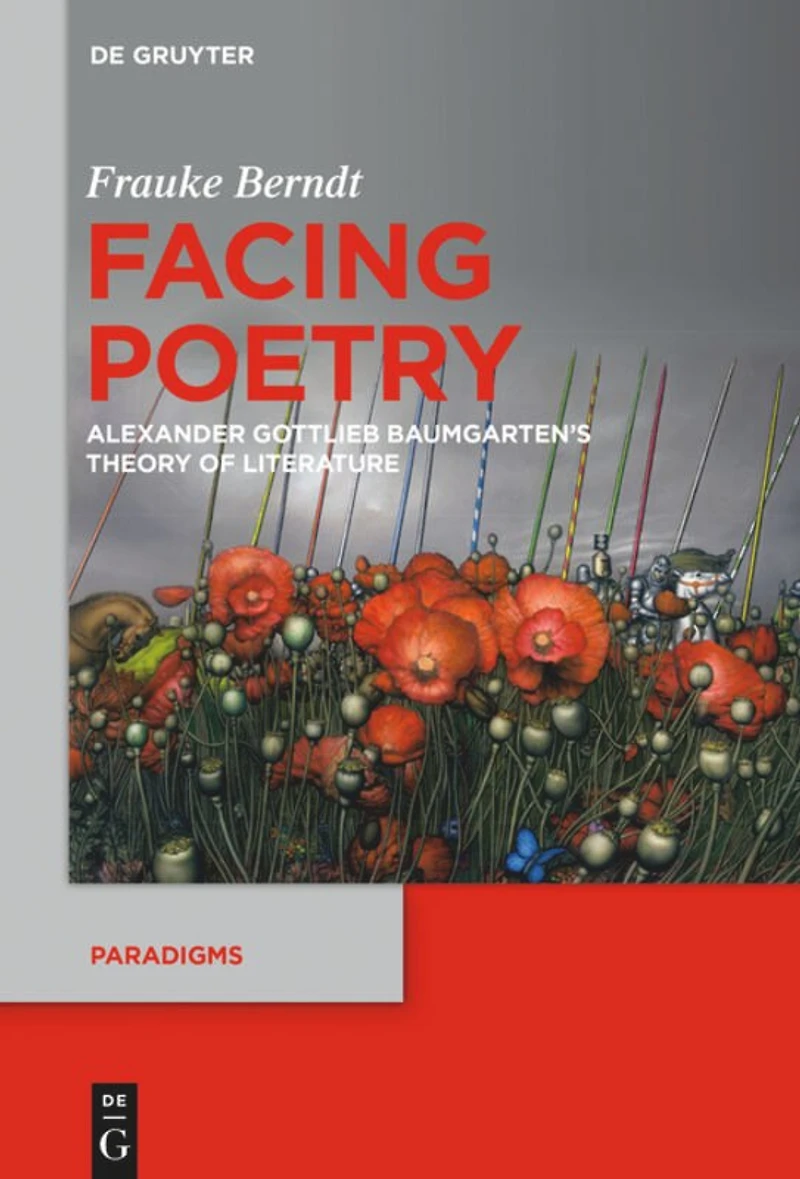
Facing Poetry: Alexander Gottlieb Baumgarten's Theory of Literature
Current price: $136.50

Facing Poetry: Alexander Gottlieb Baumgarten's Theory of Literature
Current price: $136.50
Loading Inventory...
Size: Hardcover
*Product information may vary - to confirm product availability, pricing, shipping and return information please contact Indigo
Alexander Gottlieb Baumgarten (1714–1762) is known in intellectual history for having established the discourse of philosophical aesthetics with his "Meditationes philosophicae de nonnullis ad poema pertinentibus" (Reflections on Poetry) and "Aesthetica" (Aesthetics), which consists of two books and is considered Baumgarten’s most important work. But this book amends that history. It shows that Baumgarten's aesthetics is a science of literature that demonstrates the value of literature to philosophy. Baumgarten did not intend to pursue such a task, but in working on his philosophical texts and lectures, he ends up analyzing, synthesizing, and contextualizing literature. He thereby treats it not as belles lettres or as a moral institution but rather as an epistemic object. His aesthetics is thus the first modern literary theory, and his articulation of this theory would never again be matched in its complexity and systematicity. Baumgarten’s theory of literature has never been discovered. It waits latently to take its place in intellectual history.
Alexander Gottlieb Baumgarten (1714–1762) is known in intellectual history for having established the discourse of philosophical aesthetics with his "Meditationes philosophicae de nonnullis ad poema pertinentibus" (Reflections on Poetry) and "Aesthetica" (Aesthetics), which consists of two books and is considered Baumgarten’s most important work. But this book amends that history. It shows that Baumgarten's aesthetics is a science of literature that demonstrates the value of literature to philosophy. Baumgarten did not intend to pursue such a task, but in working on his philosophical texts and lectures, he ends up analyzing, synthesizing, and contextualizing literature. He thereby treats it not as belles lettres or as a moral institution but rather as an epistemic object. His aesthetics is thus the first modern literary theory, and his articulation of this theory would never again be matched in its complexity and systematicity. Baumgarten’s theory of literature has never been discovered. It waits latently to take its place in intellectual history.
You May Also Like







More About Indigo at Erin Mills Town Centre
The largest book retailer in Canada also offers toys, music, home décor, gifts and lifestyle products. What's Inside...Books, Magazines, CD’s and DVD’s, Toys and Gifts, Home Accents, Electronics, Baby’s and Children’s Section, Bath and Body, Kitchen and Bedroom, Stationary Located outside in the exterior plaza.
5015 Glen Erin Dr, Mississauga, ON L5M 0R7, Canada
Find Indigo at Erin Mills Town Centre in Mississauga ON
Visit Indigo at Erin Mills Town Centre in Mississauga ON