

GIVE THE PERFECT GIFT
Erin Mills Town Centre Gift Cards are the perfect choice for your gift giving needs.Purchase gift cards at kiosks near the food court or centre court, at Guest Services, or click below to purchase online.PURCHASE HEREHome
Fertility Transition in the Developing World
Indigo
Loading Inventory...
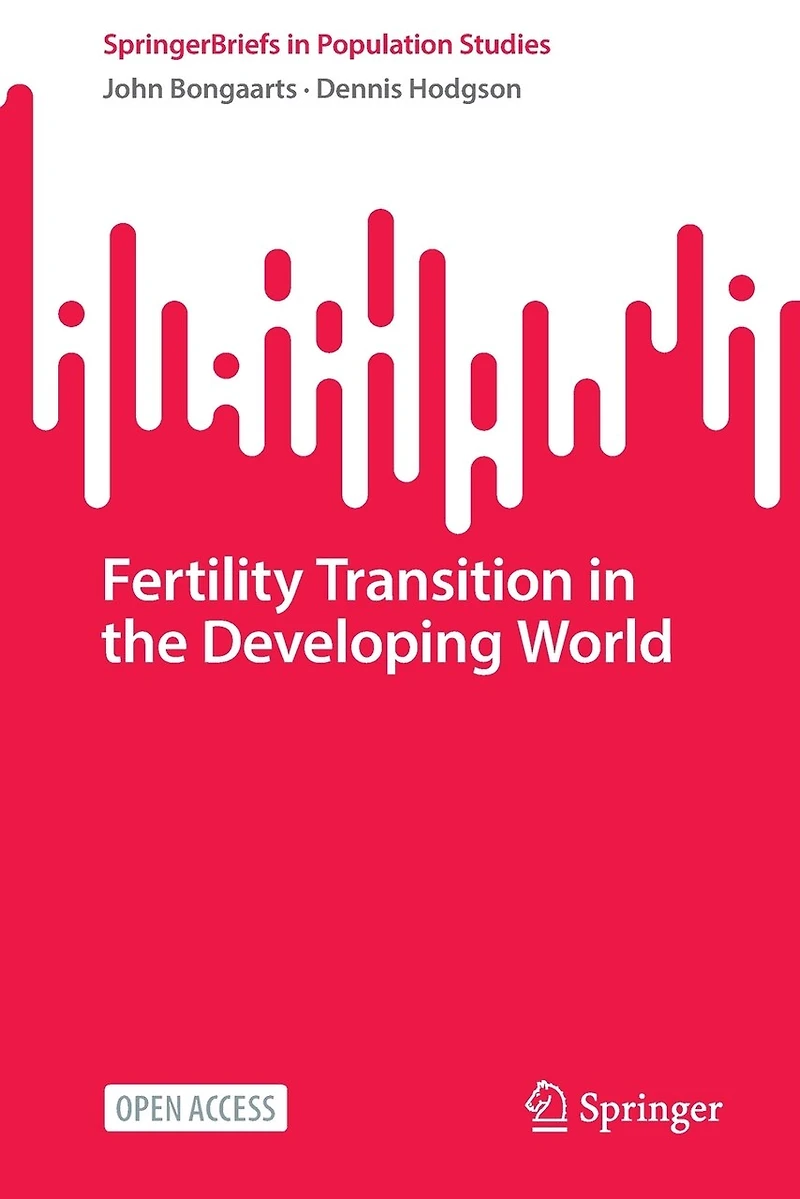
Fertility Transition in the Developing World
Current price: $55.50

Fertility Transition in the Developing World
Current price: $55.50
Loading Inventory...
Size: Paperback
*Product information may vary - to confirm product availability, pricing, shipping and return information please contact Indigo
This open access book provides an overview and analysis of the causes and consequences of the massive and highly consequential transition in reproductive behaviour that occurred in Asia, Latin America, and Africa since the mid-20th century. In the 1950s contraceptive use was rare and women typically spend most of their reproductive years bearing and rearing children. By 2020 fertility and contraceptive use in Asia and Latin America reached levels commonly observed in the developed world. Africa's fertility is still high, but transitions have started in all countries. This monograph is the first to provide a comprehensive analysis of these trends and their determinants, covering changes in reproductive behaviour (e.g., use of contraception and abortion), preferences (e.g., desire to limit and space births) and the role of socioeconomic development (e.g., education). The role of government policies and in particular family planning programs is discussed in depth. Particular attention isgiven to provide a balanced assessment of several political and scientific controversies that have beset the field. As such this book provides an interesting read for a wide audience of undergraduate and graduate students, researchers, and public health policy makers.
This open access book provides an overview and analysis of the causes and consequences of the massive and highly consequential transition in reproductive behaviour that occurred in Asia, Latin America, and Africa since the mid-20th century. In the 1950s contraceptive use was rare and women typically spend most of their reproductive years bearing and rearing children. By 2020 fertility and contraceptive use in Asia and Latin America reached levels commonly observed in the developed world. Africa's fertility is still high, but transitions have started in all countries. This monograph is the first to provide a comprehensive analysis of these trends and their determinants, covering changes in reproductive behaviour (e.g., use of contraception and abortion), preferences (e.g., desire to limit and space births) and the role of socioeconomic development (e.g., education). The role of government policies and in particular family planning programs is discussed in depth. Particular attention isgiven to provide a balanced assessment of several political and scientific controversies that have beset the field. As such this book provides an interesting read for a wide audience of undergraduate and graduate students, researchers, and public health policy makers.
You May Also Like









More About Indigo at Erin Mills Town Centre
The largest book retailer in Canada also offers toys, music, home décor, gifts and lifestyle products. What's Inside...Books, Magazines, CD’s and DVD’s, Toys and Gifts, Home Accents, Electronics, Baby’s and Children’s Section, Bath and Body, Kitchen and Bedroom, Stationary Located outside in the exterior plaza.
5015 Glen Erin Dr, Mississauga, ON L5M 0R7, Canada
Find Indigo at Erin Mills Town Centre in Mississauga ON
Visit Indigo at Erin Mills Town Centre in Mississauga ON