

GIVE THE PERFECT GIFT
Erin Mills Town Centre Gift Cards are the perfect choice for your gift giving needs.Purchase gift cards at kiosks near the food court or centre court, at Guest Services, or click below to purchase online.PURCHASE HEREHome
Film and Fashion Japan, 1923-39: Consuming the 'West'
Indigo
Loading Inventory...
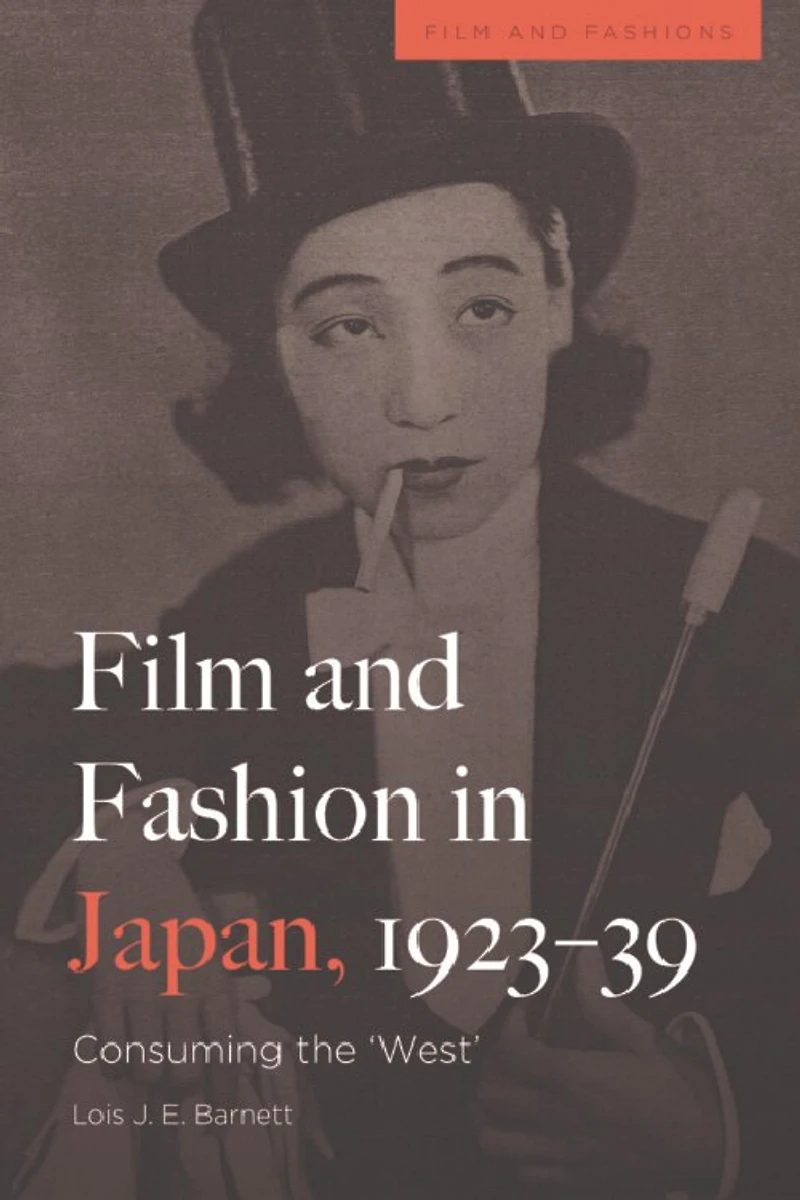
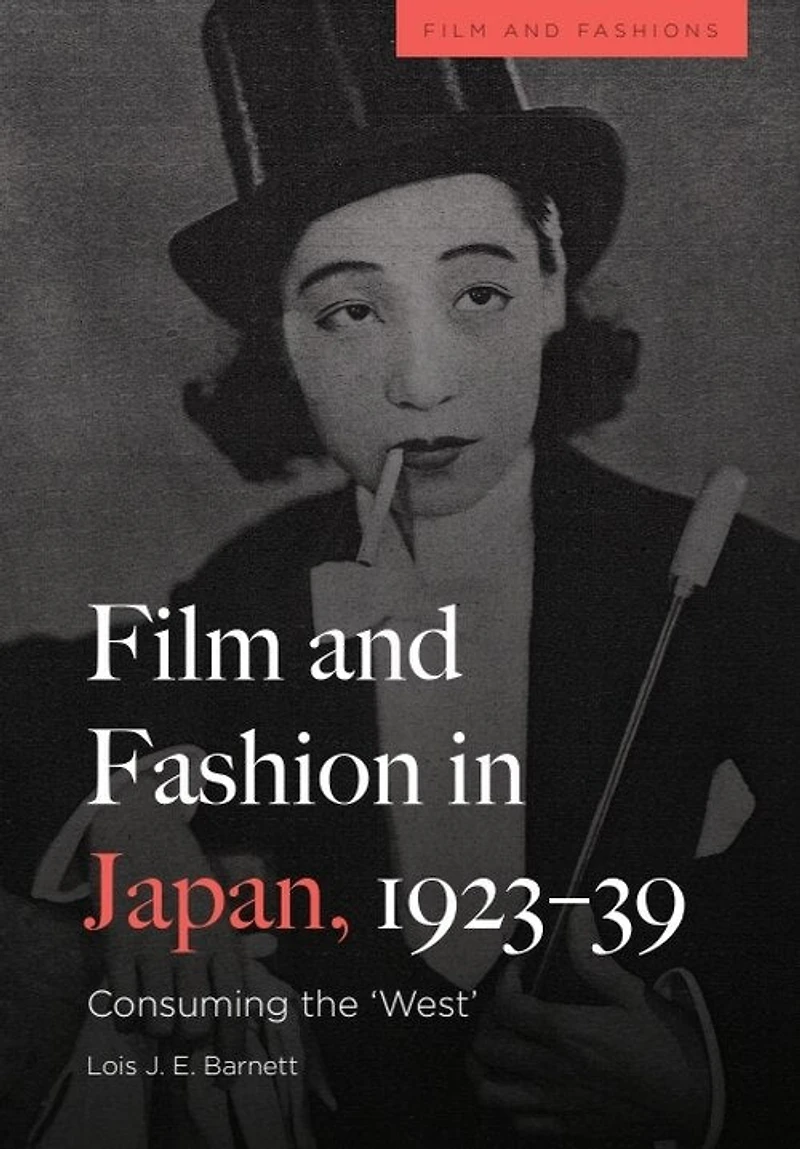
Film and Fashion Japan, 1923-39: Consuming the 'West'
Current price: $157.78

Film and Fashion Japan, 1923-39: Consuming the 'West'
Current price: $157.78
Loading Inventory...
Size: Hardcover
*Product information may vary - to confirm product availability, pricing, shipping and return information please contact Indigo
The book examines the interaction between the audience member and Japan's film and fashion industries between 1923 and 1939, focusing on Western-inspired fashion objects (as opposed to indigenous Japanese items, such as the kimono). This interdisciplinary book examines the semiotics of dress onscreen within Japan’s transcultural media climate, consulting not only film- or fashion-related theoretical bases but also historical and gender-based approaches. The work consults surviving films, print media and advertising materials, allowing insights into lost films and the period's commercial context.
The book discusses the role of fashion consumption in defining emergent modern identities and their relationships with new spaces, questioning their arising in Japan and worldwide. Key areas include the expressive Modern Girl image (the Japanese equivalent of the Hollywood flapper); the relationship between the body and sportswear and hybridised dress styles (which combined Japanese and Western-influenced aesthetics); and menswear in the early work of director Ozu Yasujirō.
The book examines the interaction between the audience member and Japan's film and fashion industries between 1923 and 1939, focusing on Western-inspired fashion objects (as opposed to indigenous Japanese items, such as the kimono). This interdisciplinary book examines the semiotics of dress onscreen within Japan’s transcultural media climate, consulting not only film- or fashion-related theoretical bases but also historical and gender-based approaches. The work consults surviving films, print media and advertising materials, allowing insights into lost films and the period's commercial context.
The book discusses the role of fashion consumption in defining emergent modern identities and their relationships with new spaces, questioning their arising in Japan and worldwide. Key areas include the expressive Modern Girl image (the Japanese equivalent of the Hollywood flapper); the relationship between the body and sportswear and hybridised dress styles (which combined Japanese and Western-influenced aesthetics); and menswear in the early work of director Ozu Yasujirō.
You May Also Like










More About Indigo at Erin Mills Town Centre
The largest book retailer in Canada also offers toys, music, home décor, gifts and lifestyle products. What's Inside...Books, Magazines, CD’s and DVD’s, Toys and Gifts, Home Accents, Electronics, Baby’s and Children’s Section, Bath and Body, Kitchen and Bedroom, Stationary Located outside in the exterior plaza.
5015 Glen Erin Dr, Mississauga, ON L5M 0R7, Canada
Find Indigo at Erin Mills Town Centre in Mississauga ON
Visit Indigo at Erin Mills Town Centre in Mississauga ON