

GIVE THE PERFECT GIFT
Erin Mills Town Centre Gift Cards are the perfect choice for your gift giving needs.Purchase gift cards at kiosks near the food court or centre court, at Guest Services, or click below to purchase online.PURCHASE HEREHome
Finite Element Analysis Of the Collapse And Post-collapse Behavior Steel Pipes: Applications to oil industry
Indigo
Loading Inventory...
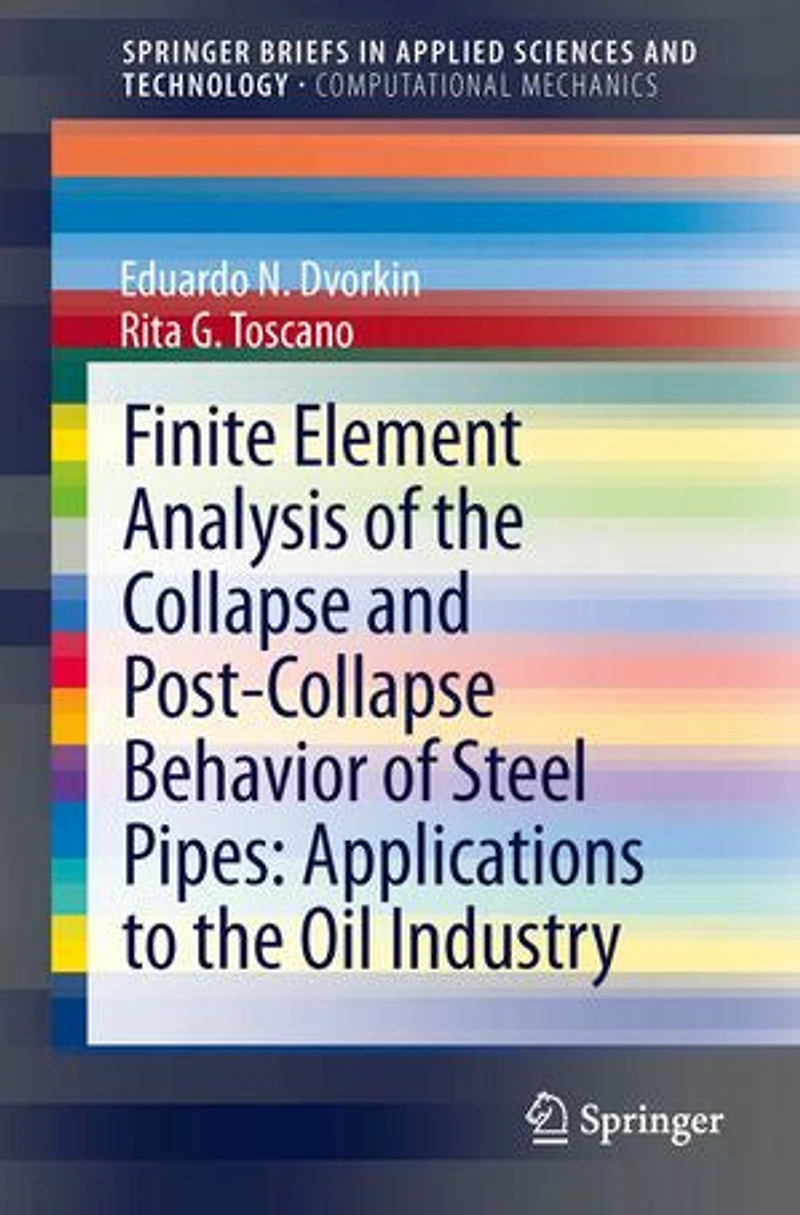
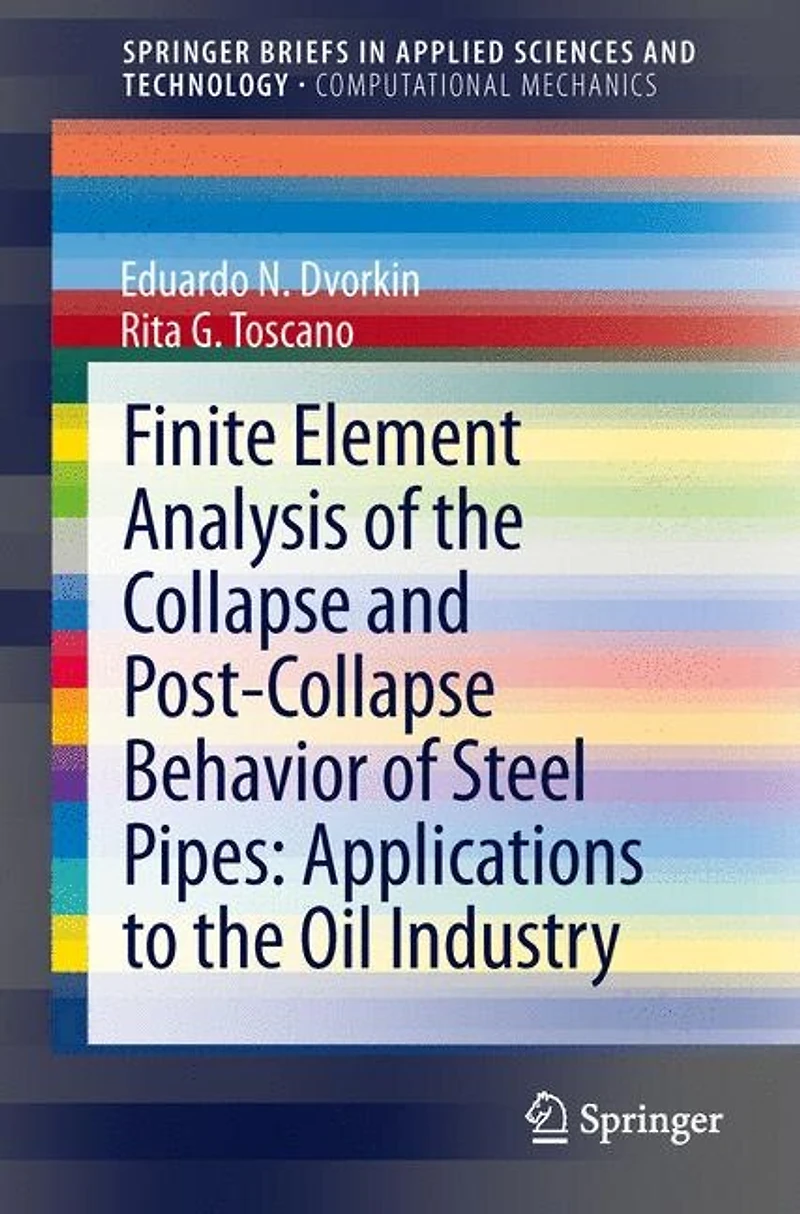
Finite Element Analysis Of the Collapse And Post-collapse Behavior Steel Pipes: Applications to oil industry
Current price: $64.49
Original price: $80.62

Finite Element Analysis Of the Collapse And Post-collapse Behavior Steel Pipes: Applications to oil industry
Current price: $64.49
Original price: $80.62
Loading Inventory...
Size: Kobo eBook
*Product information may vary - to confirm product availability, pricing, shipping and return information please contact Indigo
This book presents a detailed discussion of the models that were developed to simulate the collapse and post-collapse behavior of steel pipes. The finite element method offers to engineers the possibility of developing models to simulate the collapse behavior of casings inside oil wells and the collapse behavior of deepwater pipelines. However, if technological decisions are going to be reached from these model results, with implications for the economic success of industrial operations, for the occupational safety and health and for the environment, the engineering models need to be highly reliable. Using these models engineers can quantify the effect of manufacturing tolerances, wear, corrosion, etc. This book describes in great details the experimental programs that are developed to validate the numerical results.
This book presents a detailed discussion of the models that were developed to simulate the collapse and post-collapse behavior of steel pipes. The finite element method offers to engineers the possibility of developing models to simulate the collapse behavior of casings inside oil wells and the collapse behavior of deepwater pipelines. However, if technological decisions are going to be reached from these model results, with implications for the economic success of industrial operations, for the occupational safety and health and for the environment, the engineering models need to be highly reliable. Using these models engineers can quantify the effect of manufacturing tolerances, wear, corrosion, etc. This book describes in great details the experimental programs that are developed to validate the numerical results.
You May Also Like








More About Indigo at Erin Mills Town Centre
The largest book retailer in Canada also offers toys, music, home décor, gifts and lifestyle products. What's Inside...Books, Magazines, CD’s and DVD’s, Toys and Gifts, Home Accents, Electronics, Baby’s and Children’s Section, Bath and Body, Kitchen and Bedroom, Stationary Located outside in the exterior plaza.
5015 Glen Erin Dr, Mississauga, ON L5M 0R7, Canada
Find Indigo at Erin Mills Town Centre in Mississauga ON
Visit Indigo at Erin Mills Town Centre in Mississauga ON