

GIVE THE PERFECT GIFT
Erin Mills Town Centre Gift Cards are the perfect choice for your gift giving needs.Purchase gift cards at kiosks near the food court or centre court, at Guest Services, or click below to purchase online.PURCHASE HEREHome
First Among Equals: Visions of Equality Before Egalitarianism
Indigo
Loading Inventory...
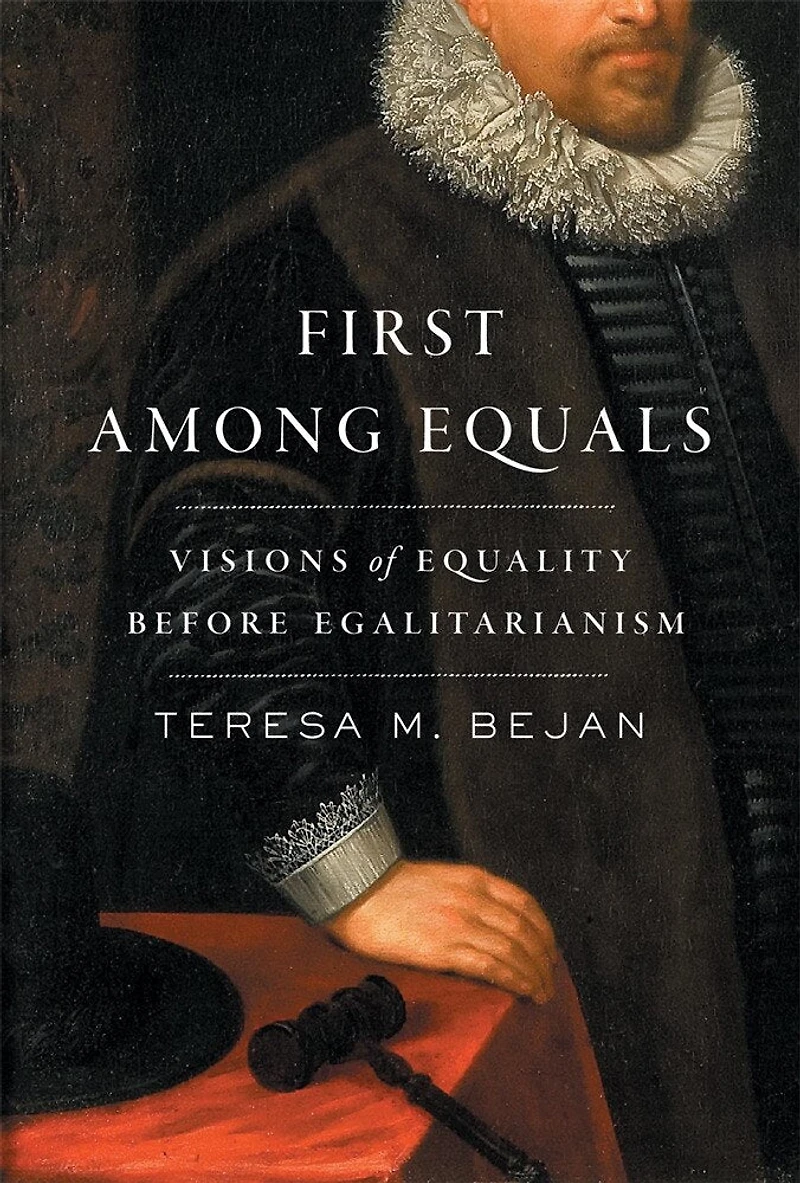
First Among Equals: Visions of Equality Before Egalitarianism
Current price: $47.00

First Among Equals: Visions of Equality Before Egalitarianism
Current price: $47.00
Loading Inventory...
Size: Hardcover
*Product information may vary - to confirm product availability, pricing, shipping and return information please contact Indigo
An incisive account of how equality transformed from an abstract ideal into a concrete social and political vision, thanks to seventeenth-century English dissidents like the Levellers and the political philosophers they inspired.
Today, political theorists and philosophers treat as axiomatic the claim that all persons are equal. Dig deeper, however, and what we mean by equality—and what it demands from us, politically and otherwise—is far from obvious. Does it mean that we are all the same, and so the same standards should apply indifferently to everyone? Or does it mean that we are all different in ways similarly deserving of respect? These questions, and many more, reflect the profound ambiguities and contradictions that have riddled the history of the idea of equality.
First Among Equals examines a radical turning point in that history. Since antiquity, influential legal and philosophical traditions have held that all humans are fundamentally equal. Yet these claims proved surprisingly at home in a world defined by social hierarchy, political exclusion, and enslavement. In seventeenth-century England, the meaning—and practical circumstances—of equality began to change. Political philosopher Teresa Bejan traces this transformation, revealing how equality finally became a concrete and actionable political ideal.
Crucially, Bejan shows that influential early modern theorists of equality—chief among them Thomas Hobbes, John Locke, and the early feminist Mary Astell—were responding to the increasingly radical visions proffered by contemporary social movements like the Levellers, Diggers, and Quakers. Inspired by the Leveller leader John Lilburne, these movements insisted that equality must be a basis on which ordinary men and women could demand to stand shoulder-to-shoulder with elites. These early modern activists and philosophers can still enchant us today, Bejan argues, while also helping us to restore the power of equality as a political ideal.
An incisive account of how equality transformed from an abstract ideal into a concrete social and political vision, thanks to seventeenth-century English dissidents like the Levellers and the political philosophers they inspired.
Today, political theorists and philosophers treat as axiomatic the claim that all persons are equal. Dig deeper, however, and what we mean by equality—and what it demands from us, politically and otherwise—is far from obvious. Does it mean that we are all the same, and so the same standards should apply indifferently to everyone? Or does it mean that we are all different in ways similarly deserving of respect? These questions, and many more, reflect the profound ambiguities and contradictions that have riddled the history of the idea of equality.
First Among Equals examines a radical turning point in that history. Since antiquity, influential legal and philosophical traditions have held that all humans are fundamentally equal. Yet these claims proved surprisingly at home in a world defined by social hierarchy, political exclusion, and enslavement. In seventeenth-century England, the meaning—and practical circumstances—of equality began to change. Political philosopher Teresa Bejan traces this transformation, revealing how equality finally became a concrete and actionable political ideal.
Crucially, Bejan shows that influential early modern theorists of equality—chief among them Thomas Hobbes, John Locke, and the early feminist Mary Astell—were responding to the increasingly radical visions proffered by contemporary social movements like the Levellers, Diggers, and Quakers. Inspired by the Leveller leader John Lilburne, these movements insisted that equality must be a basis on which ordinary men and women could demand to stand shoulder-to-shoulder with elites. These early modern activists and philosophers can still enchant us today, Bejan argues, while also helping us to restore the power of equality as a political ideal.
You May Also Like










More About Indigo at Erin Mills Town Centre
The largest book retailer in Canada also offers toys, music, home décor, gifts and lifestyle products. What's Inside...Books, Magazines, CD’s and DVD’s, Toys and Gifts, Home Accents, Electronics, Baby’s and Children’s Section, Bath and Body, Kitchen and Bedroom, Stationary Located outside in the exterior plaza.
5015 Glen Erin Dr, Mississauga, ON L5M 0R7, Canada
Find Indigo at Erin Mills Town Centre in Mississauga ON
Visit Indigo at Erin Mills Town Centre in Mississauga ON