

GIVE THE PERFECT GIFT
Erin Mills Town Centre Gift Cards are the perfect choice for your gift giving needs.Purchase gift cards at kiosks near the food court or centre court, at Guest Services, or click below to purchase online.PURCHASE HEREHome
First Peoples: Indigenous Cultures and their Futures
Indigo
Loading Inventory...
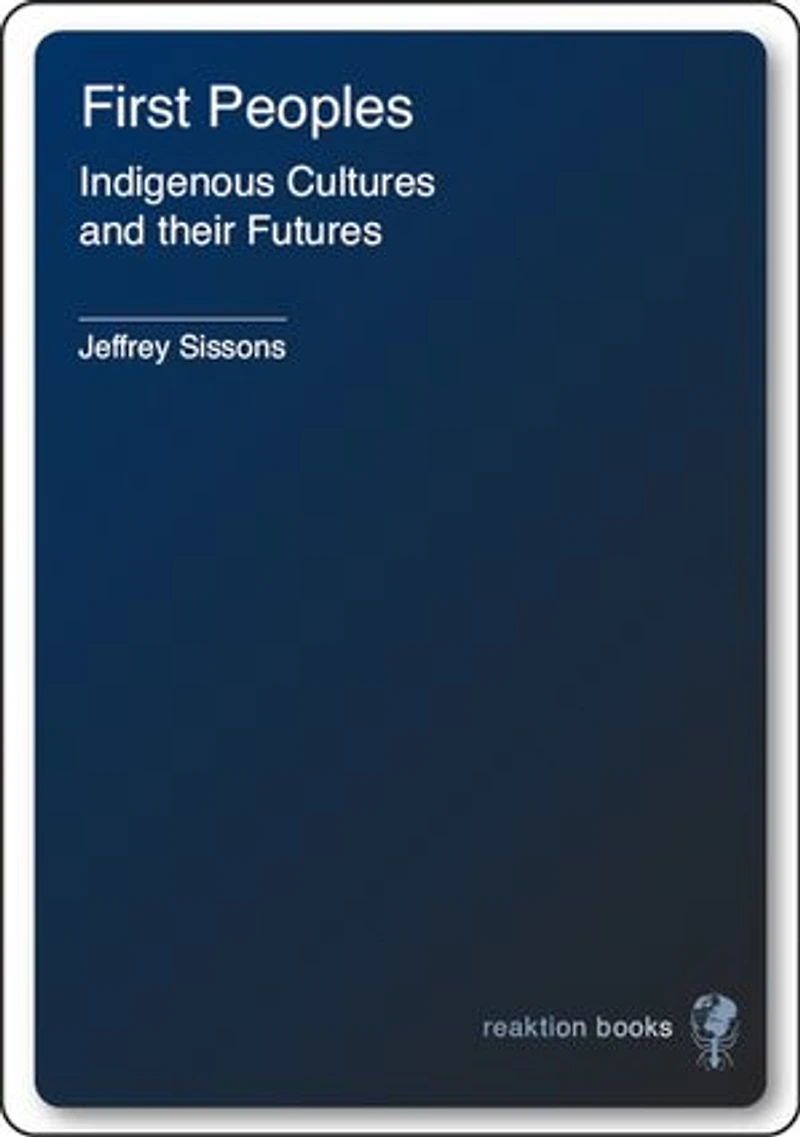
First Peoples: Indigenous Cultures and their Futures
Current price: $29.59
Original price: $36.96

First Peoples: Indigenous Cultures and their Futures
Current price: $29.59
Original price: $36.96
Loading Inventory...
Size: Kobo eBook
*Product information may vary - to confirm product availability, pricing, shipping and return information please contact Indigo
First Peoples argues, controversially, that far from disappearing in the face of global capitalism, indigenous cultures today are as diverse as they ever were. Rather than being absorbed into a uniform modernity, indigenous peoples are anticipating alternative futures and appropriating global resources for their own, culturally specific needs. For Sissons, however, the traditional and the modern are not mutually exclusive: indigenous cultures and nation-states are aspects of the same contemporary condition, and their apparently opposing position is an expression of the contradictory nature of modernity in the 21st century.
Indigenous peoples often define themselves in terms of their struggle against oppressive exterior forces; by contrast, the metropolitan cultures they struggle against often cling precariously to the surfaces of their new land. But indigenous identities have also been forged through alliances between indigenous peoples at international forums and in other settings. The loose alliances throughout the indigenous world constitute an alternative political order to the global organization of states.
For Inuit, Eskimo and Saami in the northern hemisphere, for Mayan, Maori and Aboriginal Australians in the southern, and for more than a hundred distinct peoples in between, culture has become more than a heritage: it is a project. The numerous cultural renaissances that occurred throughout the indigenous world in the second half of the 20th century were more than passing events. Their momentum has continued into the new millennium, while the challenges they pose to states and their bureaucracies have become increasingly urgent. While the economic and political issues addressed by indigenous groups were and are depressingly similar – racism, loss of land and resources, inadequate health and education services – the solutions have been characterized by enormous cultural diversity.
First Peoples argues, controversially, that far from disappearing in the face of global capitalism, indigenous cultures today are as diverse as they ever were. Rather than being absorbed into a uniform modernity, indigenous peoples are anticipating alternative futures and appropriating global resources for their own, culturally specific needs. For Sissons, however, the traditional and the modern are not mutually exclusive: indigenous cultures and nation-states are aspects of the same contemporary condition, and their apparently opposing position is an expression of the contradictory nature of modernity in the 21st century.
Indigenous peoples often define themselves in terms of their struggle against oppressive exterior forces; by contrast, the metropolitan cultures they struggle against often cling precariously to the surfaces of their new land. But indigenous identities have also been forged through alliances between indigenous peoples at international forums and in other settings. The loose alliances throughout the indigenous world constitute an alternative political order to the global organization of states.
For Inuit, Eskimo and Saami in the northern hemisphere, for Mayan, Maori and Aboriginal Australians in the southern, and for more than a hundred distinct peoples in between, culture has become more than a heritage: it is a project. The numerous cultural renaissances that occurred throughout the indigenous world in the second half of the 20th century were more than passing events. Their momentum has continued into the new millennium, while the challenges they pose to states and their bureaucracies have become increasingly urgent. While the economic and political issues addressed by indigenous groups were and are depressingly similar – racism, loss of land and resources, inadequate health and education services – the solutions have been characterized by enormous cultural diversity.
You May Also Like








More About Indigo at Erin Mills Town Centre
The largest book retailer in Canada also offers toys, music, home décor, gifts and lifestyle products. What's Inside...Books, Magazines, CD’s and DVD’s, Toys and Gifts, Home Accents, Electronics, Baby’s and Children’s Section, Bath and Body, Kitchen and Bedroom, Stationary Located outside in the exterior plaza.
5015 Glen Erin Dr, Mississauga, ON L5M 0R7, Canada
Find Indigo at Erin Mills Town Centre in Mississauga ON
Visit Indigo at Erin Mills Town Centre in Mississauga ON