

GIVE THE PERFECT GIFT
Erin Mills Town Centre Gift Cards are the perfect choice for your gift giving needs.Purchase gift cards at kiosks near the food court or centre court, at Guest Services, or click below to purchase online.PURCHASE HEREHome
Flying Fish in the Great White North: The Autonomous Migration of Black Barbadians
Indigo
Loading Inventory...
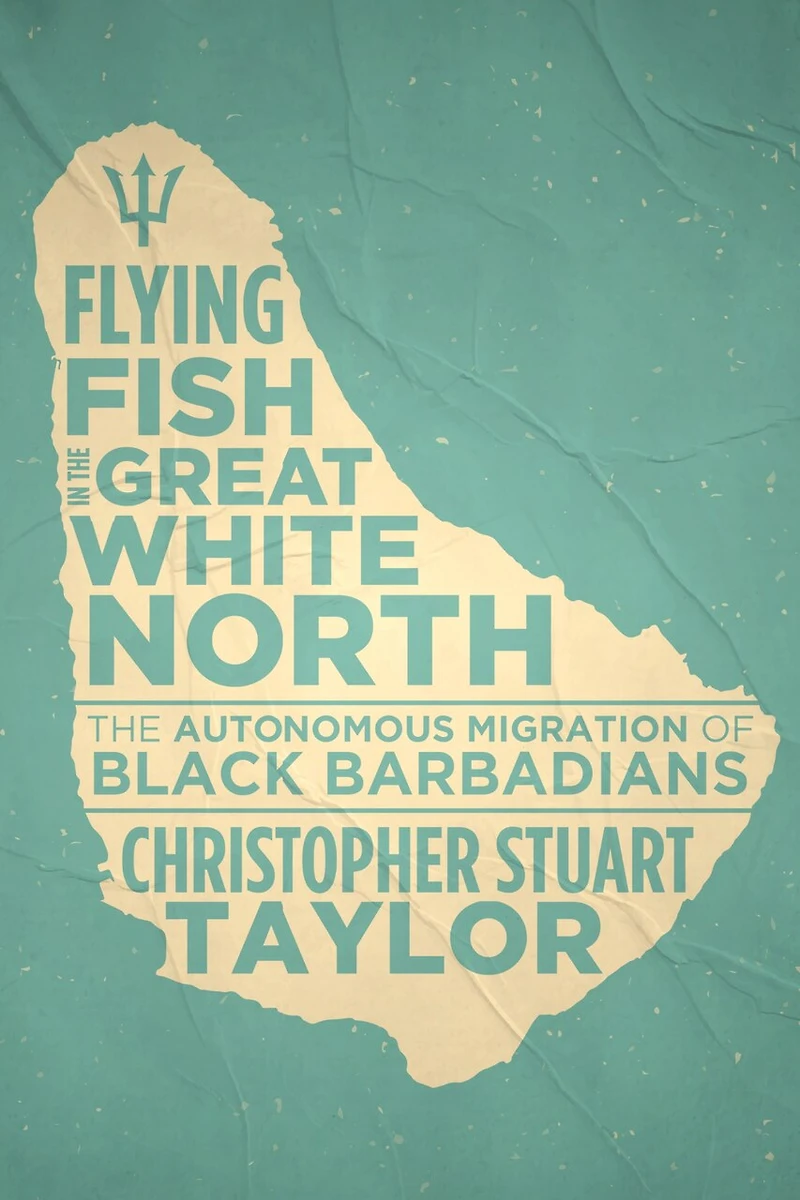
Flying Fish in the Great White North: The Autonomous Migration of Black Barbadians
Current price: $40.81

Flying Fish in the Great White North: The Autonomous Migration of Black Barbadians
Current price: $40.81
Loading Inventory...
Size: Paperback
*Product information may vary - to confirm product availability, pricing, shipping and return information please contact Indigo
Canadians are proud of their multicultural image both at home and abroad. But that image isn?t grounded in historical facts. As recently as the 1960s, the Canadian government enforced discriminatory, anti-Black immigration policies, designed to restrict and prohibit the entry of Black Barbadians and Black West Indians. The Canadian state capitalized on the public?s fear of the ?Black unknown? and racist stereotypes to justify their exclusion.
In Flying Fish in the Great White North , Christopher Stuart Taylor utilizes the intersectionality of race, gender and class to challenge the perception that Blacks were simply victims of racist and discriminatory Canadian and international immigration policies by emphasizing the agency and educational capital of Black Barbadian emigrants during this period. In fact, many Barbadians were middle to upper class and were well educated, and many, particularly women, found autonomous agency and challenged the very Canadian immigration policies designed to exclude them.
Canadians are proud of their multicultural image both at home and abroad. But that image isn?t grounded in historical facts. As recently as the 1960s, the Canadian government enforced discriminatory, anti-Black immigration policies, designed to restrict and prohibit the entry of Black Barbadians and Black West Indians. The Canadian state capitalized on the public?s fear of the ?Black unknown? and racist stereotypes to justify their exclusion.
In Flying Fish in the Great White North , Christopher Stuart Taylor utilizes the intersectionality of race, gender and class to challenge the perception that Blacks were simply victims of racist and discriminatory Canadian and international immigration policies by emphasizing the agency and educational capital of Black Barbadian emigrants during this period. In fact, many Barbadians were middle to upper class and were well educated, and many, particularly women, found autonomous agency and challenged the very Canadian immigration policies designed to exclude them.
You May Also Like













More About Indigo at Erin Mills Town Centre
The largest book retailer in Canada also offers toys, music, home décor, gifts and lifestyle products. What's Inside...Books, Magazines, CD’s and DVD’s, Toys and Gifts, Home Accents, Electronics, Baby’s and Children’s Section, Bath and Body, Kitchen and Bedroom, Stationary Located outside in the exterior plaza.
5015 Glen Erin Dr, Mississauga, ON L5M 0R7, Canada
Find Indigo at Erin Mills Town Centre in Mississauga ON
Visit Indigo at Erin Mills Town Centre in Mississauga ON