

GIVE THE PERFECT GIFT
Erin Mills Town Centre Gift Cards are the perfect choice for your gift giving needs.Purchase gift cards at kiosks near the food court or centre court, at Guest Services, or click below to purchase online.PURCHASE HEREHome
Food, Environment, and Climate Change: Justice at the Intersections
Indigo
Loading Inventory...
Food, Environment, and Climate Change: Justice at the Intersections
Current price: $233.95

Food, Environment, and Climate Change: Justice at the Intersections
Current price: $233.95
Loading Inventory...
Size: Hardcover
*Product information may vary - to confirm product availability, pricing, shipping and return information please contact Indigo
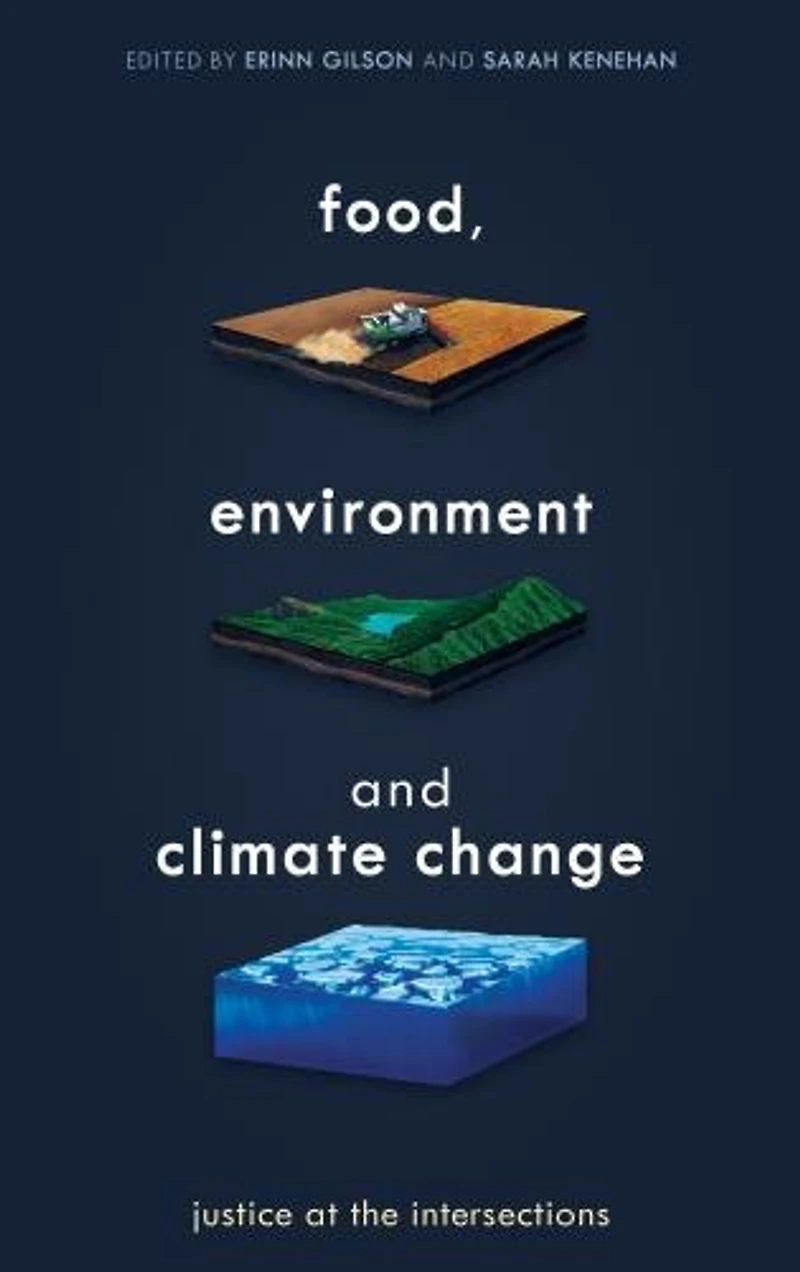
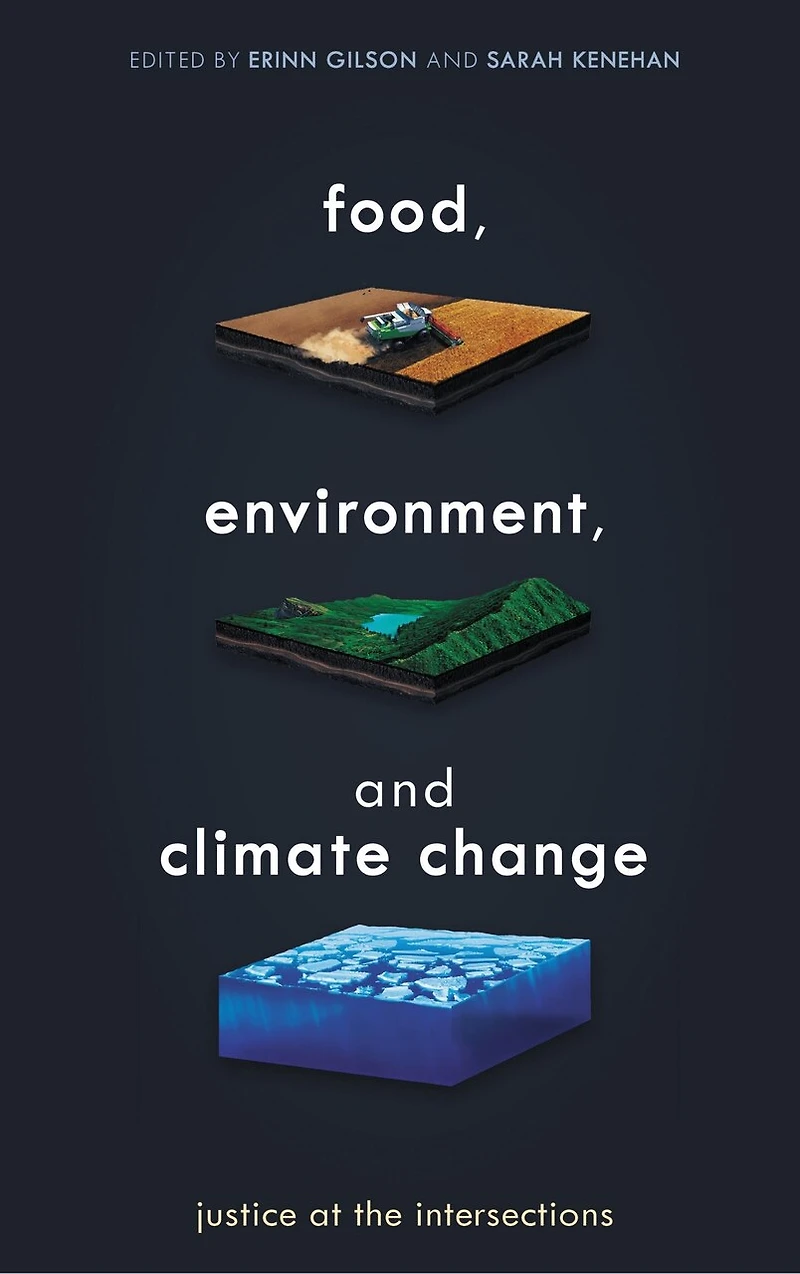
This volume takes up the pressing issues of justice and responsibility that arise at the intersection of food and agricultural systems, environmental degradation, and global climate change. The diverse contributions examine both the various ways that food and agricultural practices contribute to environmental degradation, especially climate change, and the impact that climate change is having and will have on food and agricultural practices. Central questions include: How can the connections between food and agriculture, environmental issues, and climate change best be understood? What are the ethical and political responsibilities of various parties in relation to this nexus of problems? Whose knowledge, concerns, and voices are, and should be, valued in making global climate policy and agricultural and food policy? What are the limitations of existing policies, practices, and theoretical frameworks for understanding and responding to these complex problems?
This volume takes up the pressing issues of justice and responsibility that arise at the intersection of food and agricultural systems, environmental degradation, and global climate change. The diverse contributions examine both the various ways that food and agricultural practices contribute to environmental degradation, especially climate change, and the impact that climate change is having and will have on food and agricultural practices. Central questions include: How can the connections between food and agriculture, environmental issues, and climate change best be understood? What are the ethical and political responsibilities of various parties in relation to this nexus of problems? Whose knowledge, concerns, and voices are, and should be, valued in making global climate policy and agricultural and food policy? What are the limitations of existing policies, practices, and theoretical frameworks for understanding and responding to these complex problems?
You May Also Like










More About Indigo at Erin Mills Town Centre
The largest book retailer in Canada also offers toys, music, home décor, gifts and lifestyle products. What's Inside...Books, Magazines, CD’s and DVD’s, Toys and Gifts, Home Accents, Electronics, Baby’s and Children’s Section, Bath and Body, Kitchen and Bedroom, Stationary Located outside in the exterior plaza.
5015 Glen Erin Dr, Mississauga, ON L5M 0R7, Canada
Find Indigo at Erin Mills Town Centre in Mississauga ON
Visit Indigo at Erin Mills Town Centre in Mississauga ON