

GIVE THE PERFECT GIFT
Erin Mills Town Centre Gift Cards are the perfect choice for your gift giving needs.Purchase gift cards at kiosks near the food court or centre court, at Guest Services, or click below to purchase online.PURCHASE HEREHome
Food Security the Caribbean: Historical Perspectives, Current Challenges, and Sustainable Solutions
Indigo
Loading Inventory...
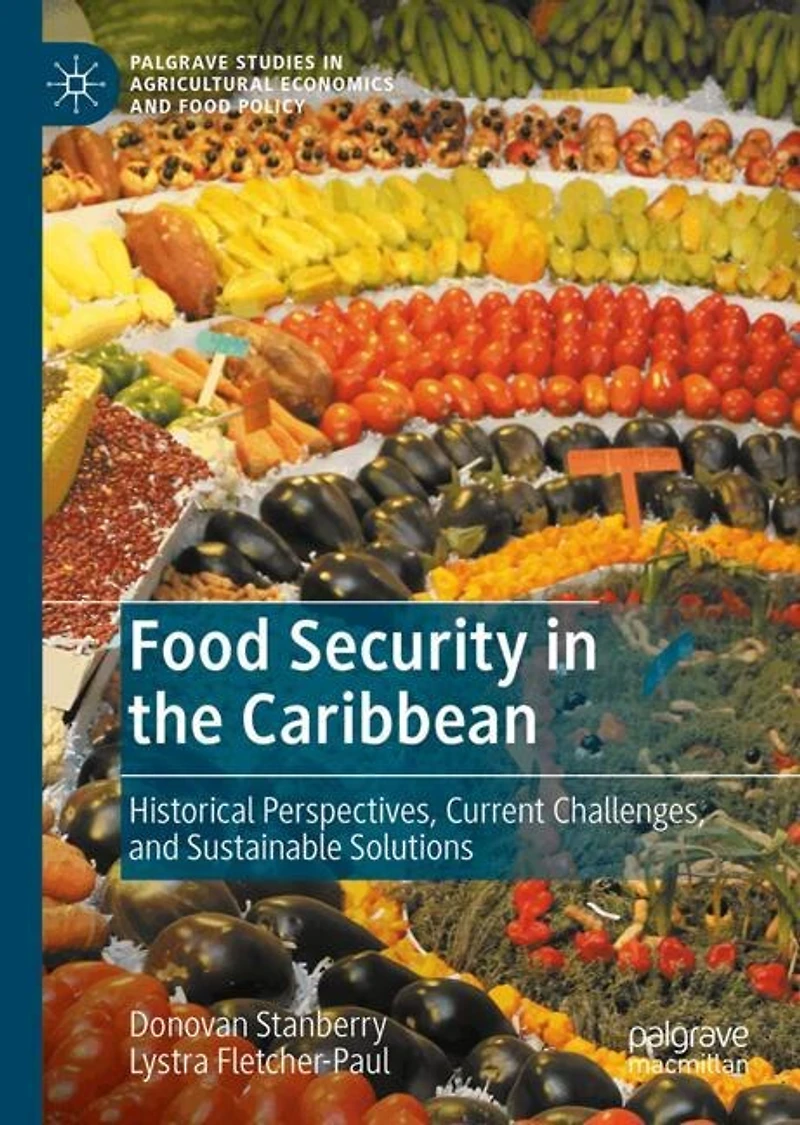
Food Security the Caribbean: Historical Perspectives, Current Challenges, and Sustainable Solutions
Current price: $204.50

Food Security the Caribbean: Historical Perspectives, Current Challenges, and Sustainable Solutions
Current price: $204.50
Loading Inventory...
Size: Hardcover
*Product information may vary - to confirm product availability, pricing, shipping and return information please contact Indigo
Food security is a pressing concern in the Caribbean. Caribbean countries produce and export crops including sugar, bananas, and coffee, but this archipelago of states relies heavily on imported food when it comes to nourishing the Caribbean population. As much as 80% of the food consumed is imported. This is because the region does not have a robust domestic food crop or livestock sector. Much of the imported food is processed: high in sugar, fat, and salt. As a result, the region now has one of the highest rates of obesity in the Americas. And there are, as a consequence, heightened incidences of non-communicable diseases such as diabetes and hypertension. This negatively impacts the resources and budgets of health facilities in the Caribbean, which in turn hurts the developmental prospects of these Small Island Developing States (SIDS). Food Security in the Caribbean breaks down the concept of food security in all of its dimensions and critically analyzes the state of food security within four specific pillars: availability, access, utilization, and stability. Offering insights into key trends in food production, consumption, and access, the book combines data from the CARICOM Secretariat, Ministries of Agriculture, and other relevant institutions. Chapters highlight the historical and structural conditioning of the Caribbean agriculture sector as an exporter of select tropical commodities and overreliance on imports for domestic food consumption. Chapters critically examine the fitness of purpose of regional and national institutional frameworks, investment in infrastructure, land reform, and the development of appropriate agricultural research, technology, and extension systems. There is an examination of the role of neoliberal policies and the directives of international funding institutions. The authors also address important and emerging challenges posed by COVID-19 and supply chain issues resulting from international conflicts, such as the one in Ukraine. This is an invaluable resource for economic researchers, policymakers, practitioners, and students interested in addressing the complex challenges of food security in the Caribbean region and beyond.
Food security is a pressing concern in the Caribbean. Caribbean countries produce and export crops including sugar, bananas, and coffee, but this archipelago of states relies heavily on imported food when it comes to nourishing the Caribbean population. As much as 80% of the food consumed is imported. This is because the region does not have a robust domestic food crop or livestock sector. Much of the imported food is processed: high in sugar, fat, and salt. As a result, the region now has one of the highest rates of obesity in the Americas. And there are, as a consequence, heightened incidences of non-communicable diseases such as diabetes and hypertension. This negatively impacts the resources and budgets of health facilities in the Caribbean, which in turn hurts the developmental prospects of these Small Island Developing States (SIDS). Food Security in the Caribbean breaks down the concept of food security in all of its dimensions and critically analyzes the state of food security within four specific pillars: availability, access, utilization, and stability. Offering insights into key trends in food production, consumption, and access, the book combines data from the CARICOM Secretariat, Ministries of Agriculture, and other relevant institutions. Chapters highlight the historical and structural conditioning of the Caribbean agriculture sector as an exporter of select tropical commodities and overreliance on imports for domestic food consumption. Chapters critically examine the fitness of purpose of regional and national institutional frameworks, investment in infrastructure, land reform, and the development of appropriate agricultural research, technology, and extension systems. There is an examination of the role of neoliberal policies and the directives of international funding institutions. The authors also address important and emerging challenges posed by COVID-19 and supply chain issues resulting from international conflicts, such as the one in Ukraine. This is an invaluable resource for economic researchers, policymakers, practitioners, and students interested in addressing the complex challenges of food security in the Caribbean region and beyond.
You May Also Like










More About Indigo at Erin Mills Town Centre
The largest book retailer in Canada also offers toys, music, home décor, gifts and lifestyle products. What's Inside...Books, Magazines, CD’s and DVD’s, Toys and Gifts, Home Accents, Electronics, Baby’s and Children’s Section, Bath and Body, Kitchen and Bedroom, Stationary Located outside in the exterior plaza.
5015 Glen Erin Dr, Mississauga, ON L5M 0R7, Canada
Find Indigo at Erin Mills Town Centre in Mississauga ON
Visit Indigo at Erin Mills Town Centre in Mississauga ON